Iceland enjoys a milder climate than its name and latitude near the Arctic Circle suggest. A branch of the Gulf Stream flows along the south and west coasts, moderating temperatures. This meeting of mild Atlantic air and colder Arctic air makes the weather changeable and often windy. Southern and western areas are generally wetter than the north.
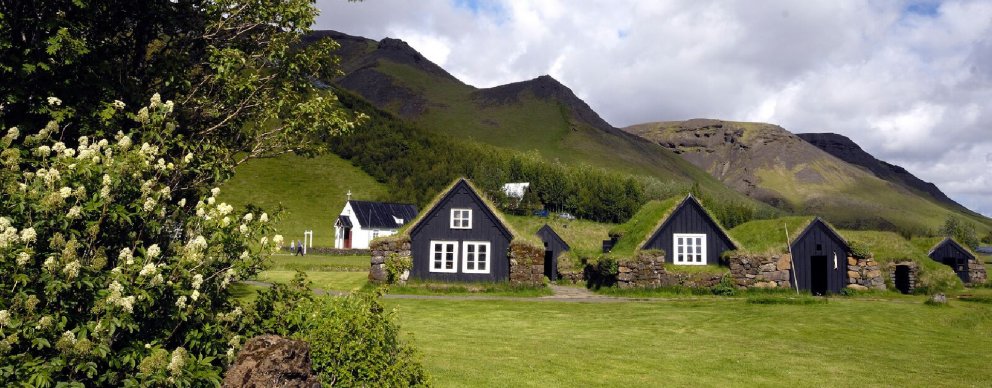
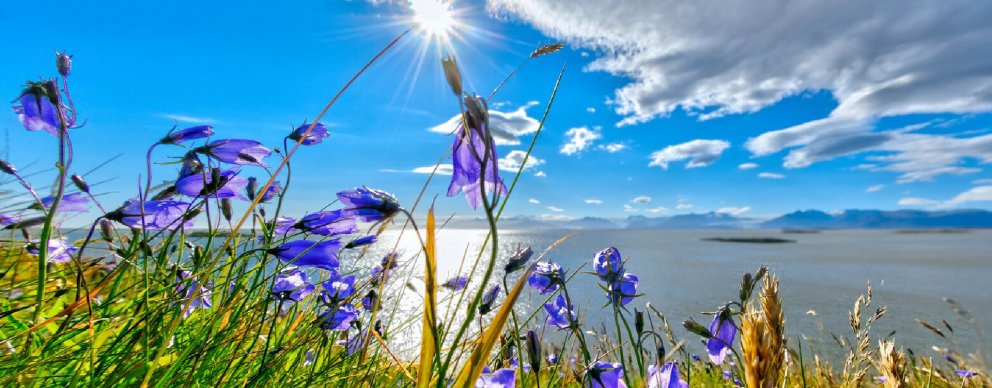
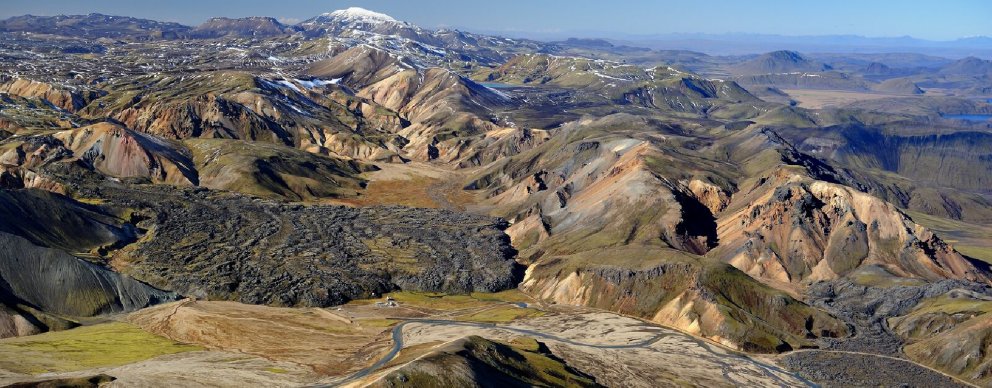
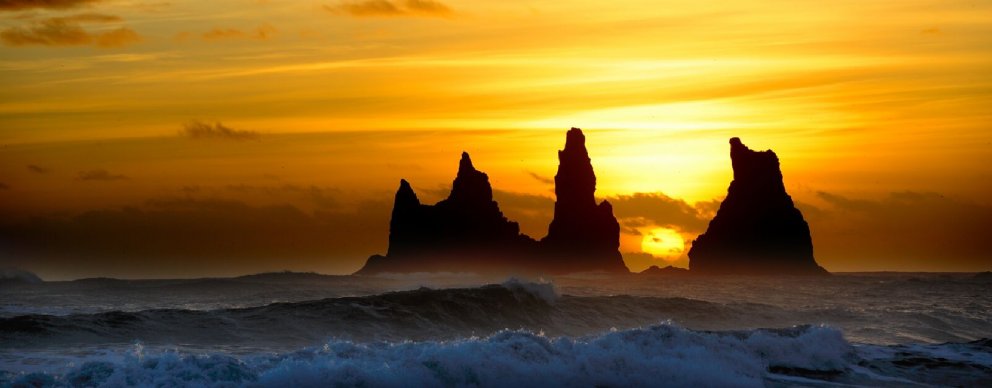
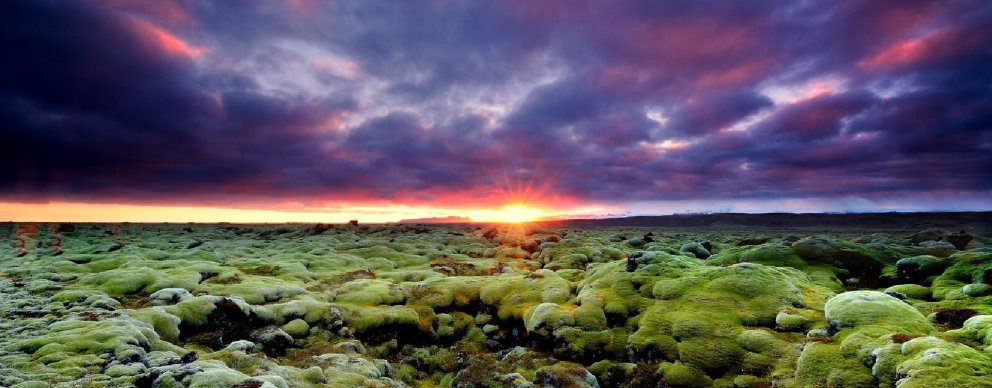
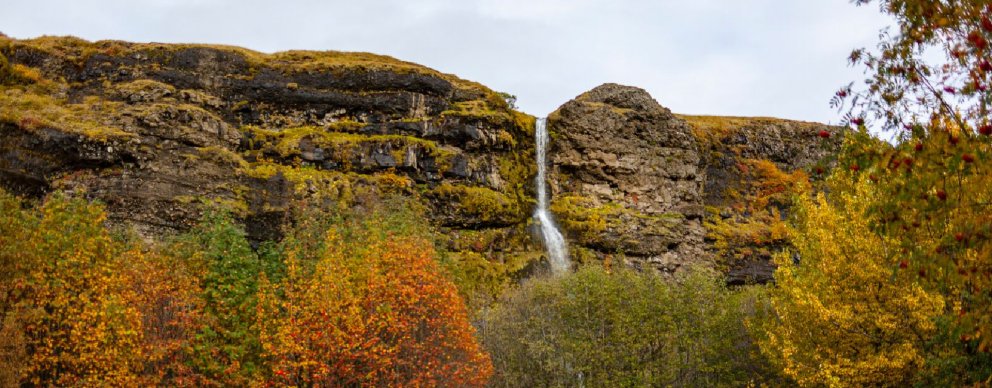
The main tourist season runs from late May to early September. In the first half of this period, the sun stays above the horizon for almost 24 hours, and shifting light over mountains, lava fields, and glaciers creates constantly changing views. Even in midsummer, skies are often cloudy or overcast, and sunshine does not warm the air much. Days are usually cool and nights can be cold.
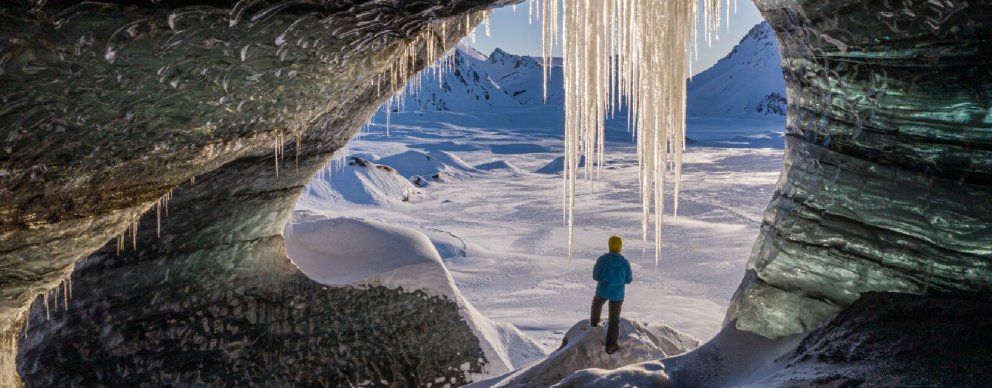
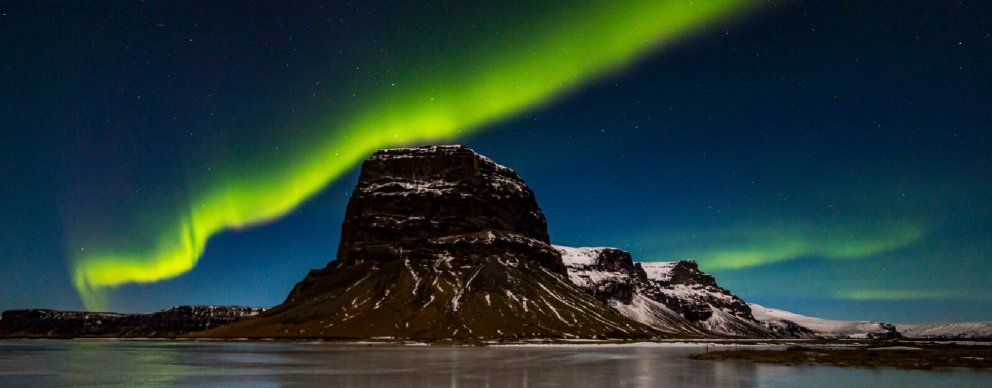
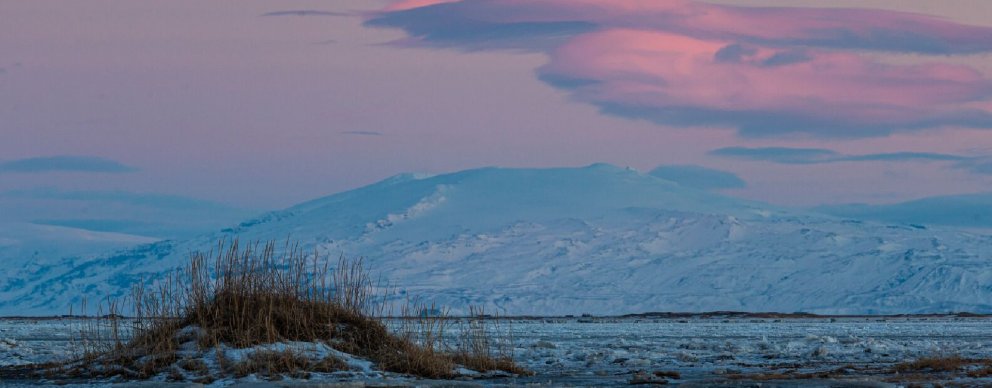
Winter brings long nights and occasional severe storms. The calm of snowy landscapes and the Northern Lights on clear nights attract a growing number of visitors.