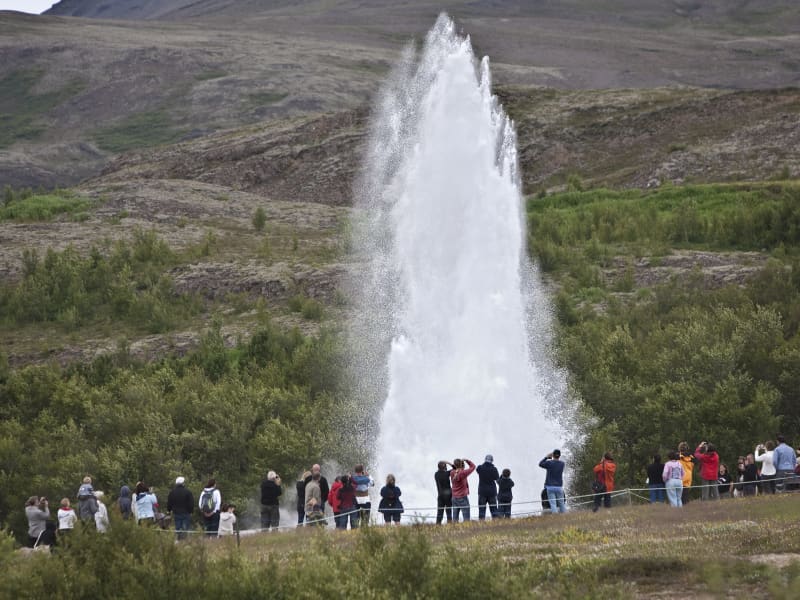
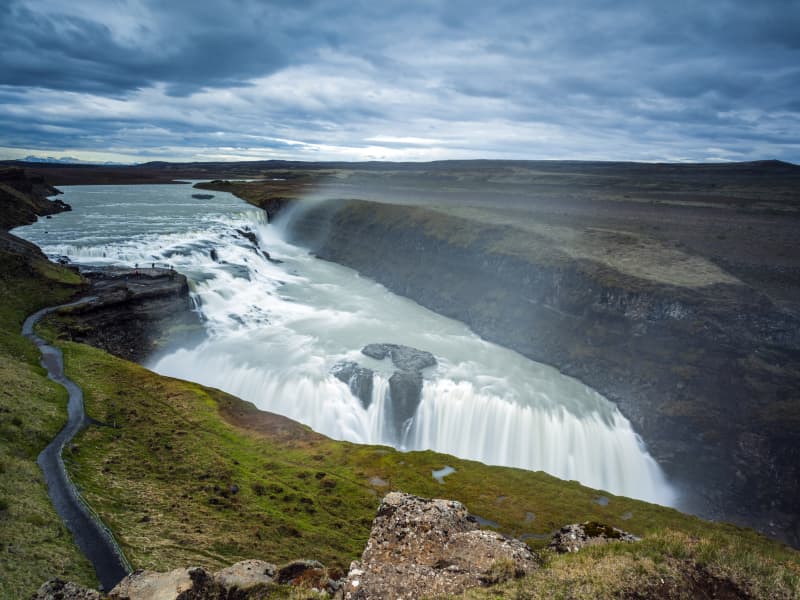
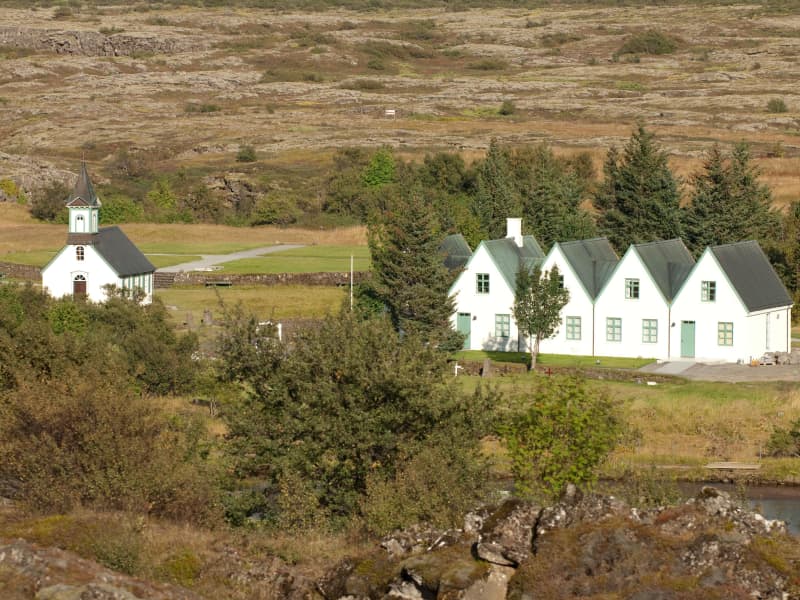
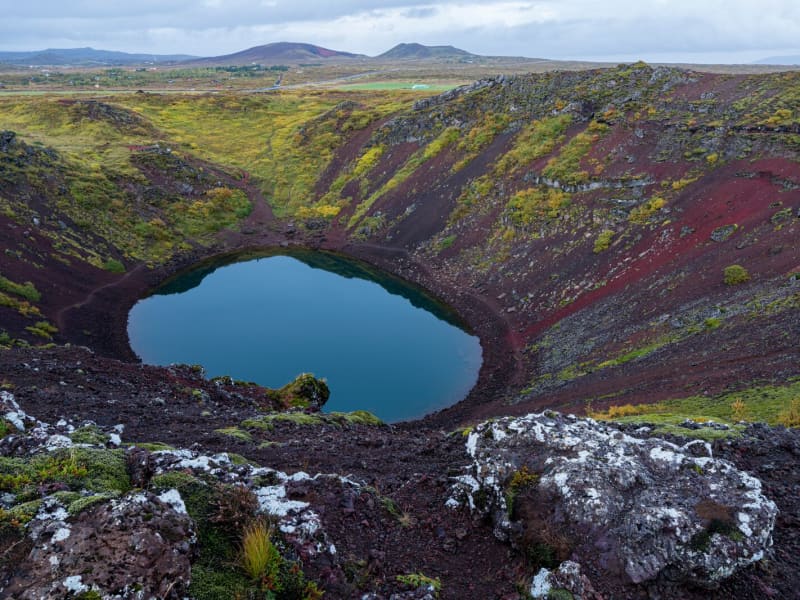
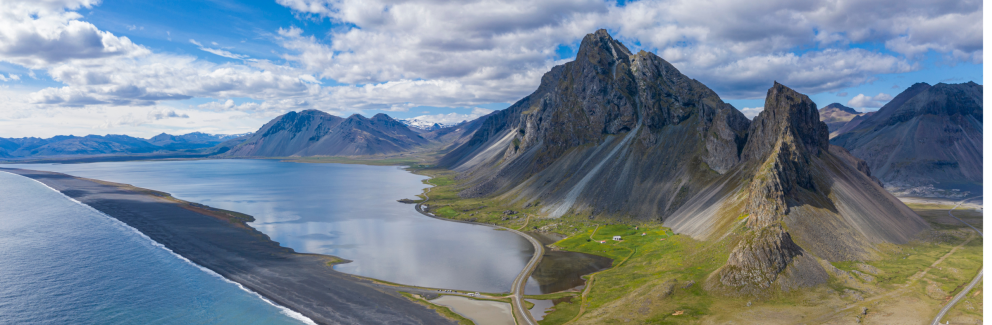
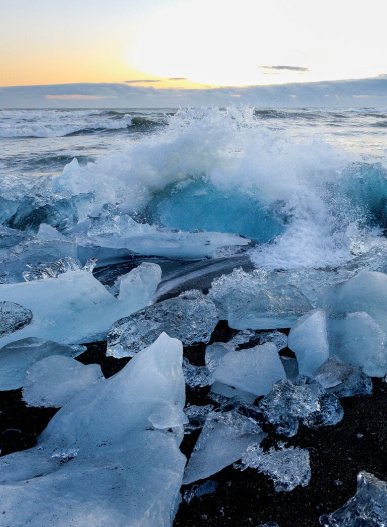
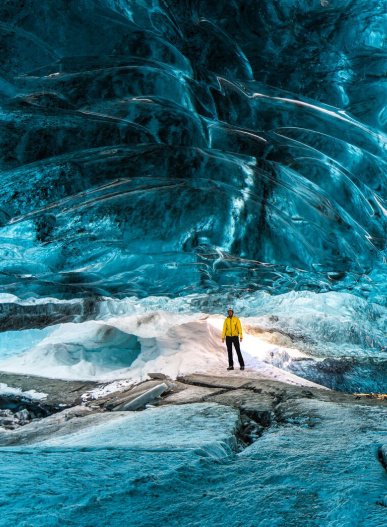
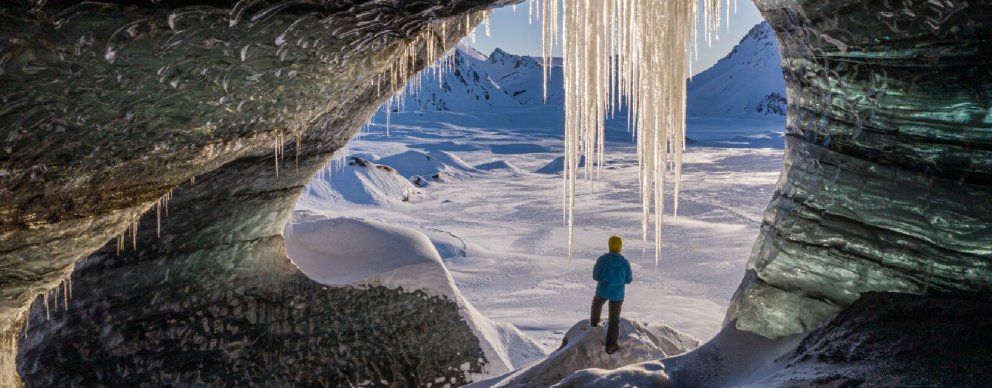
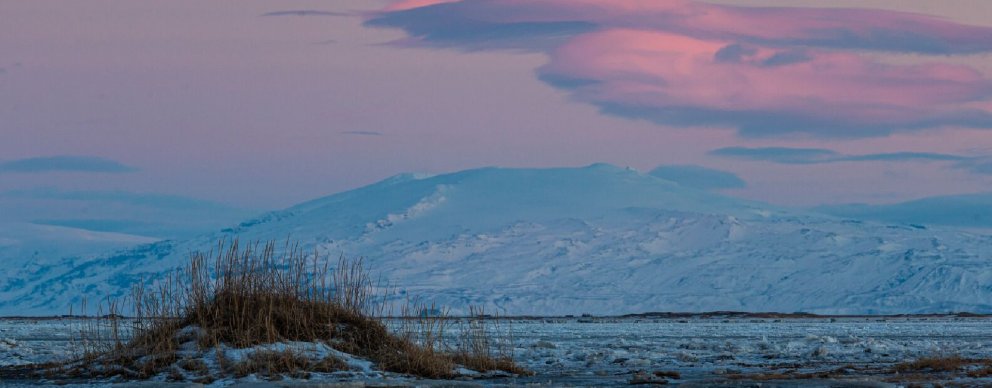
November in South Iceland is a changeable late-autumn / early-winter month. Temperatures are often just above or below freezing, and conditions can shift quickly between dry, wet, icy and snowy. Daylight hours decrease through the month, so it’s important to plan driving and sightseeing around the middle of the day, keep an eye on weather and road information, and allow extra time for all travel.
What to expect
In November you should expect temperatures often just above or below freezing (around -2°C to +5°C), frequent wind and a mix of rain, sleet or snow, especially later in the month. Roads and pavements can be icy, and short, sharp storms are possible, which may cause temporary disruptions to travel. Main routes and key attractions along the south coast usually remain accessible, but highland and mountain roads are closed for the season and some services run on reduced hours. Usable daylight typically ranges from about 8 hours at the start of the month down to around 5 hours by the end, so most organised tours and outdoor activities take place in the middle of the day. Longer hours of darkness mean there is a reasonable chance of Northern Lights when skies are clear, but sightings are never guaranteed.
What to pack
- Insulated jacket
- Warm layers (wool sweater, down/primaloft jacket, warm socks etc.)
- Ice cleats/ice grips/anti-slip soles (even if you are only staying in town)
- Fleece jacket/lightweight wool sweater
- Rainproof/windproof jacket and pants
- Sturdy walking shoes with a good tread/grip
- Sunglasses (during spring/summer it’s bright 24/7 and during winter the sun rises low an reflects from the snow, if there is any).
- Gloves
- Scarves
- Hat (toque/beanie)
- Thermal underwear (specifically for highland travel/activities)
- Waterproof hiking boots (specifically for highland travel/activities)
- Warm socks (specifically for winter and highland travel/activities)
- Swimsuit
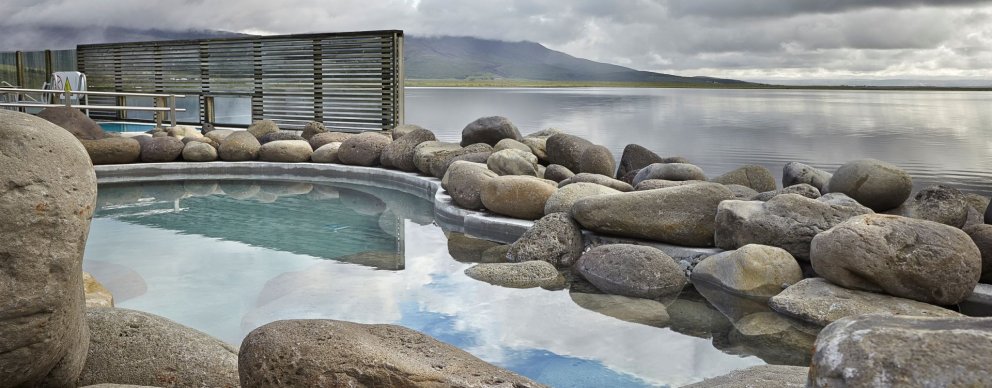
- Quick-dry towel (for visiting pools and hot springs - towels are available for rent at swimming facilities)