
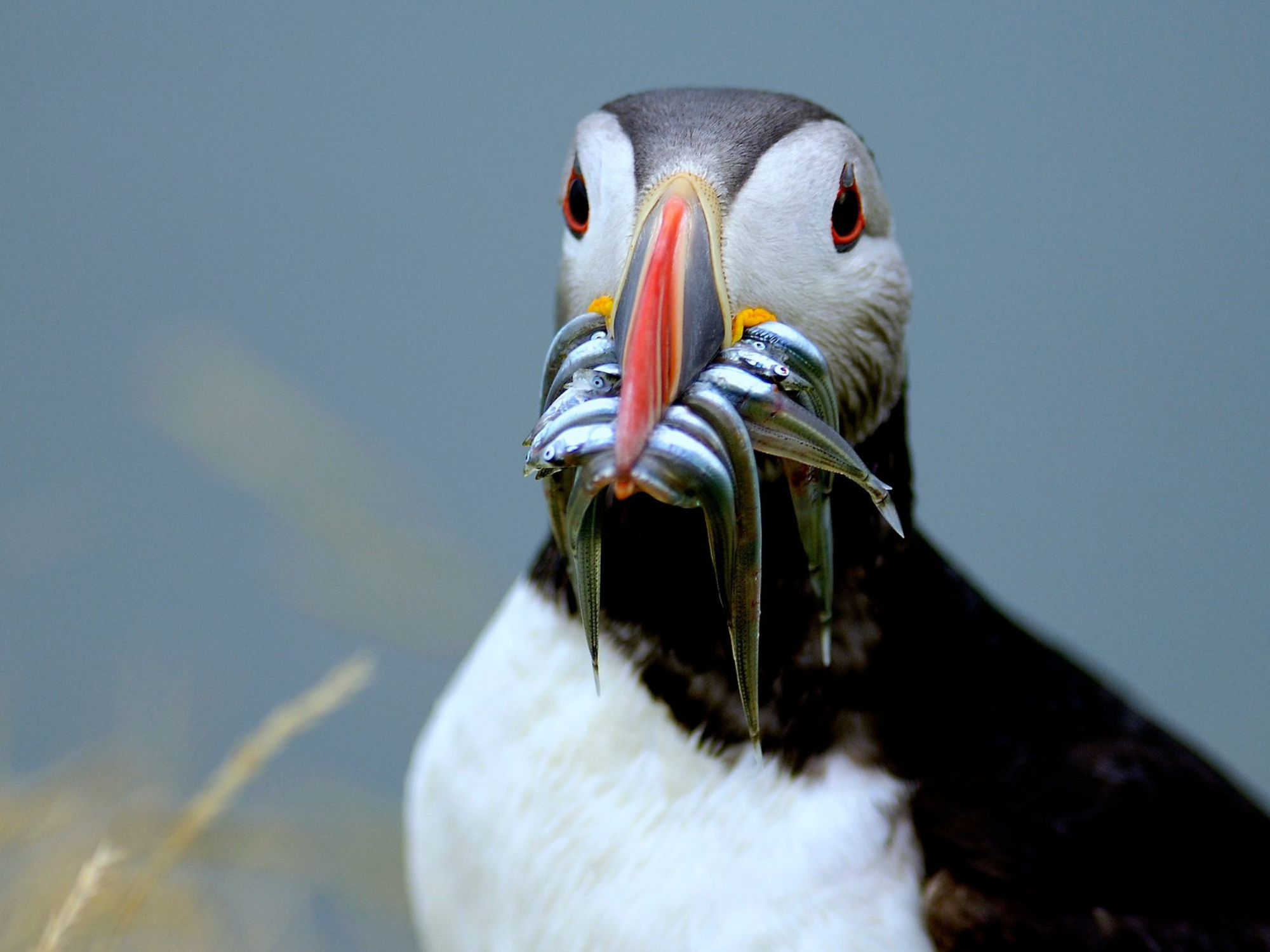
Atlantic puffins are one of Iceland’s most loved seabirds, instantly recognisable by their colourful bill and comical “standing-at-the-edge” pose. They spend most of their lives far out at sea, only coming ashore for a short summer season to breed in coastal colonies.
When you can see puffins
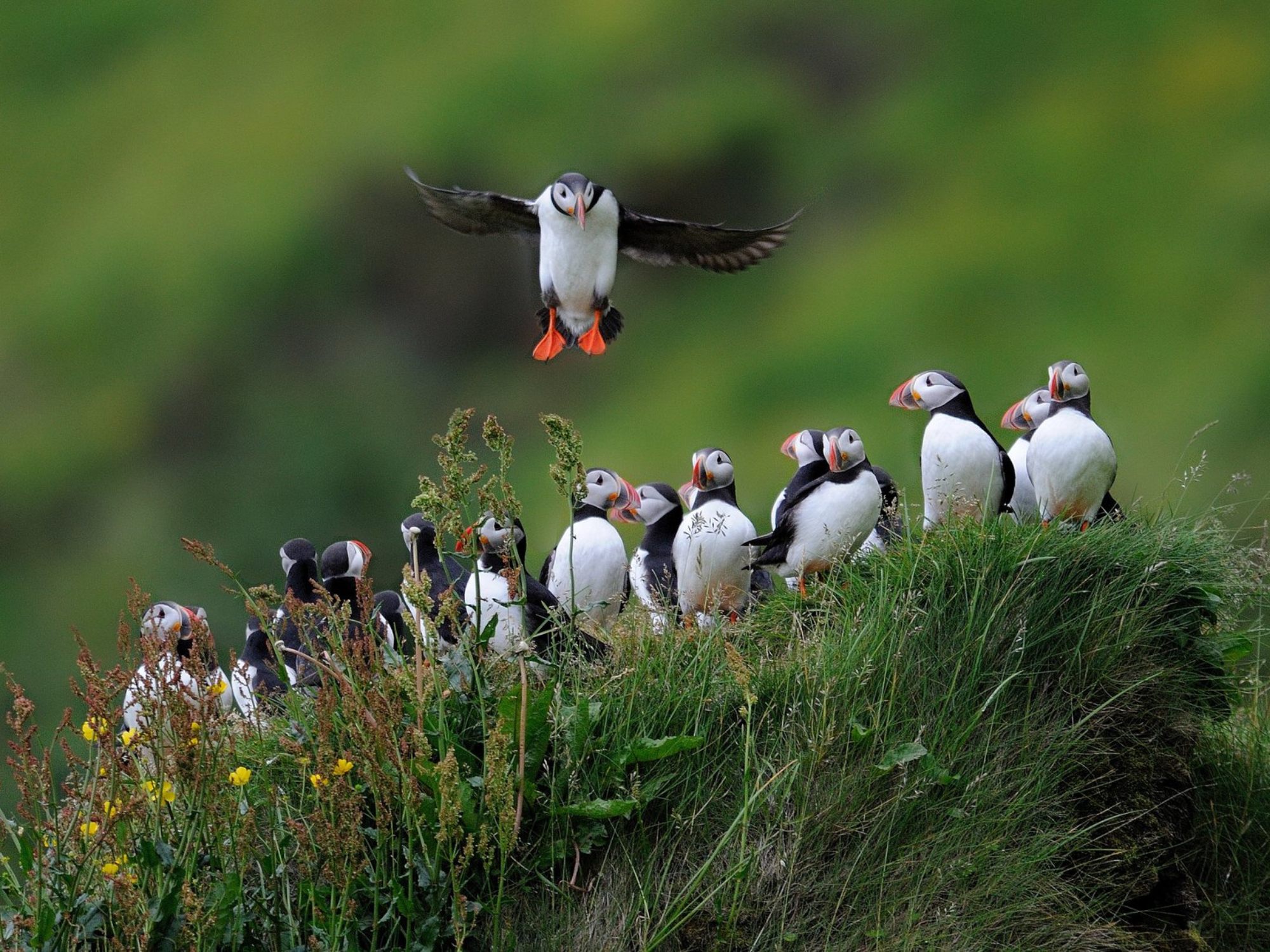
Puffin watching is easiest to build into a South Iceland trip when you treat it as a short, flexible stop that you layer onto routes you are already driving, rather than a standalone “mission.” The main thing is timing. In Iceland, puffins typically begin arriving from late April into May. The best viewing window is usually from May through mid August, when the birds are actively nesting, socialising on the cliff tops, and commuting back and forth with small fish. Most leave again in late August, and they are usually gone by September.
Where to see puffins in South Iceland
South Iceland offers several excellent puffin spots, depending on your route and how adventurous you want to be:
-
Dyrhólaey (near Vík): A classic and easily accessible place to see puffins nesting on the cliffs from roughly mid May through August.
-
Ingólfshöfði Nature Reserve (between Skaftafell and Jökulsárlón): A more remote area that is typically visited on guided tours due to access conditions. It is known for strong seabird life including puffins in summer.
-
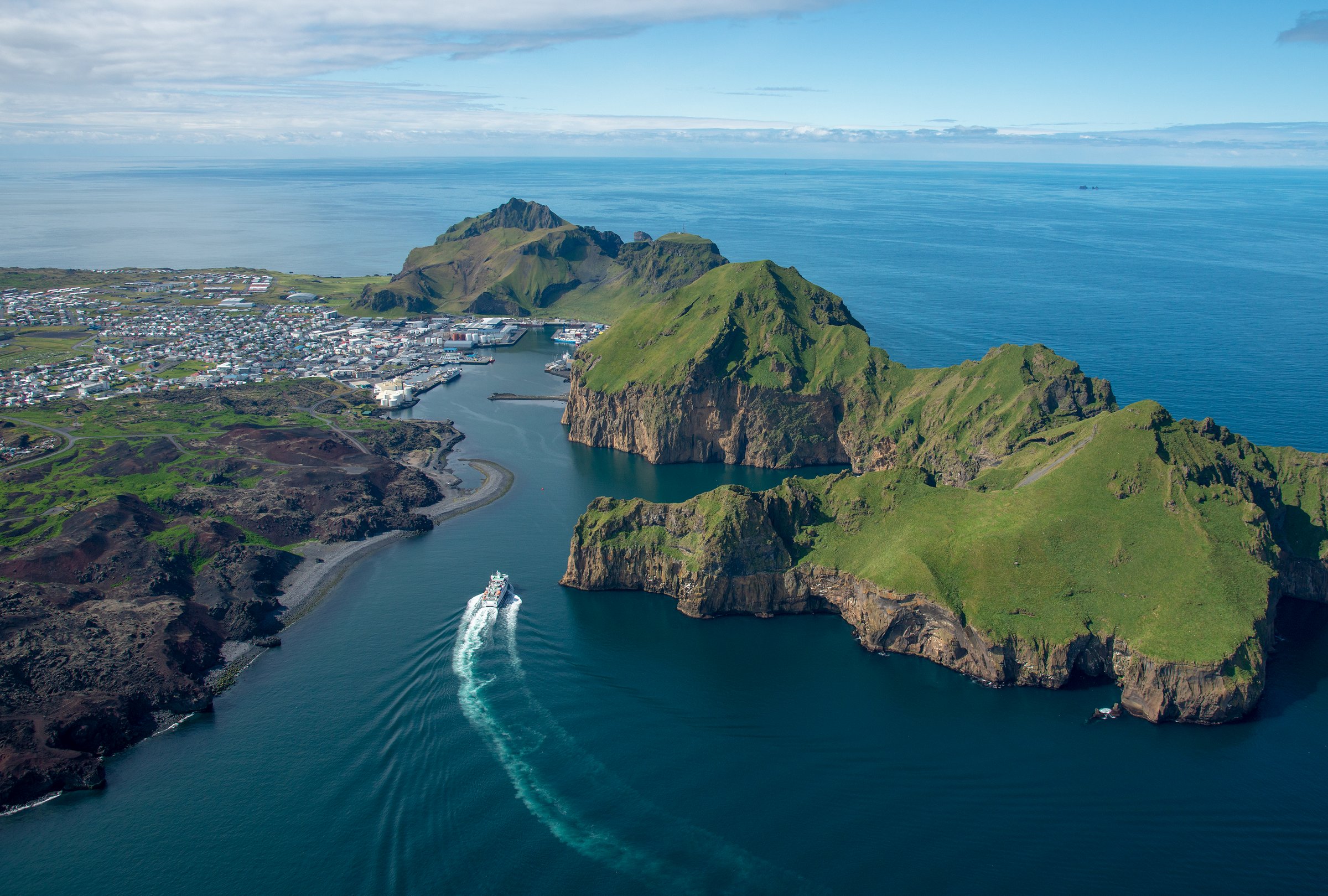
Vestmannaeyjar (Westman Islands): South Iceland’s most famous puffin destination, with outstanding viewing opportunities on Heimaey.
Westman Isands, Iceland’s puffin capital, and the “pysja” tradition
Westman islands is widely considered Iceland’s most iconic puffin stronghold, hosting the world's largest breeding colony during summer.
In late summer, a unique local tradition takes centre stage: pysja season. When pufflings (young puffins) leave their burrows for the first time, some become disoriented by town lights or weather and end up in the streets. Locals, often children and teenagers, carefully collect them in boxes and release them at the sea, turning puffin care into a living part of island culture and community life. Pysja season is most associated with August and September, often peaking around September.
Where puffins go in winter
Once puffins leave Iceland, they spend the winter at sea across the North Atlantic, living a solitary ocean life and diving for fish. They are generally not around Iceland during winter months. Wintering areas can vary, with movements documented towards parts of Greenland and the western and eastern North Atlantic, depending on the population.
Ideal Puffin watching travel routes
On the South Coast route, the most natural place to weave puffins in is around Vík, because it is already a hub where travellers stop for scenery, food, and overnight stays. In summer, Dyrhólaey is the classic puffin add-on here. You can do it on the same day as Seljalandsfoss, Skógafoss, and the glacier area, then continue to the Vík region for beach and cliff scenery. It works particularly well when you combine it with Reynisfjall mountain, Reynisfjara beach and Víkurfjara beach, because those stops are close by and together they create a full “coast and birds” chapter of the day. Reynisfjall, Reynisfjara and Víkurfjara are not puffin colonies in the same way, but they are a natural pairing because you are already in the right landscape, watching seabirds, waves, and cliffs, and the experience becomes richer when you connect the dots: dramatic shoreline views first, then the puffins on the cliffs when conditions allow.
If you are travelling The Volcanic Way, puffins fit nicely into the story because the route already focuses on coastal geology, islands, and volcanic landscapes. The most seamless integration is to include the Westman Islands as a day trip or, even better, an overnight. That gives you time to experience the islands’ volcanic history and viewpoints as well as puffin watching without rushing.
Puffin watching guidelines and safety
Puffins often look approachable, but both the birds and the cliffs are vulnerable. Keep these basics in mind:
-
Stay well back from cliff edges. Puffins nest in burrows that can make the ground unstable near the rim.
-
Keep to marked paths and viewing areas to protect fragile vegetation and nesting sites, and to reduce erosion.
-
Do not touch, feed, or chase puffins. Give them space and let them behave naturally.
-
Move quietly and use binoculars or a zoom lens rather than getting close for photos.
-
Be mindful of other nesting birds in the same areas and respect any seasonal closures or signage designed to protect wildlife.