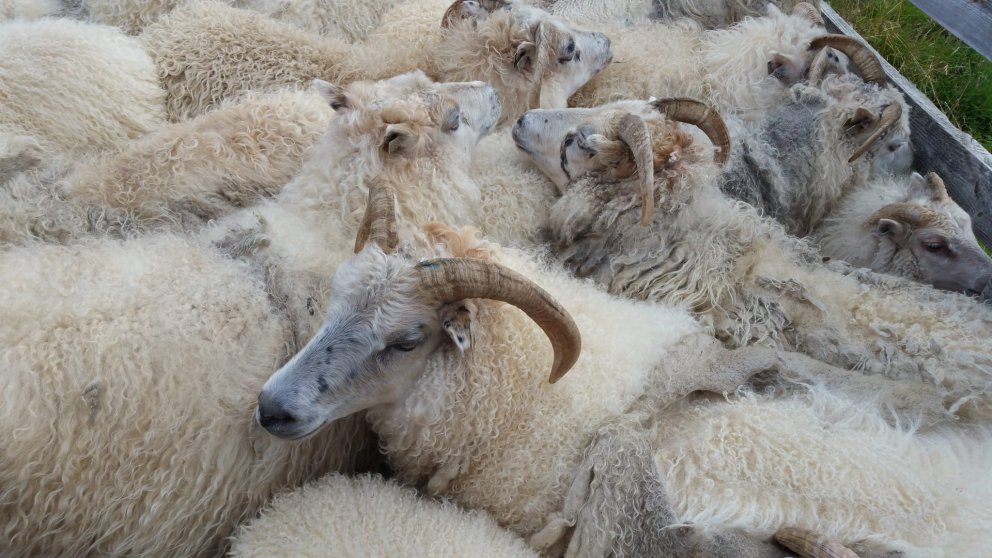
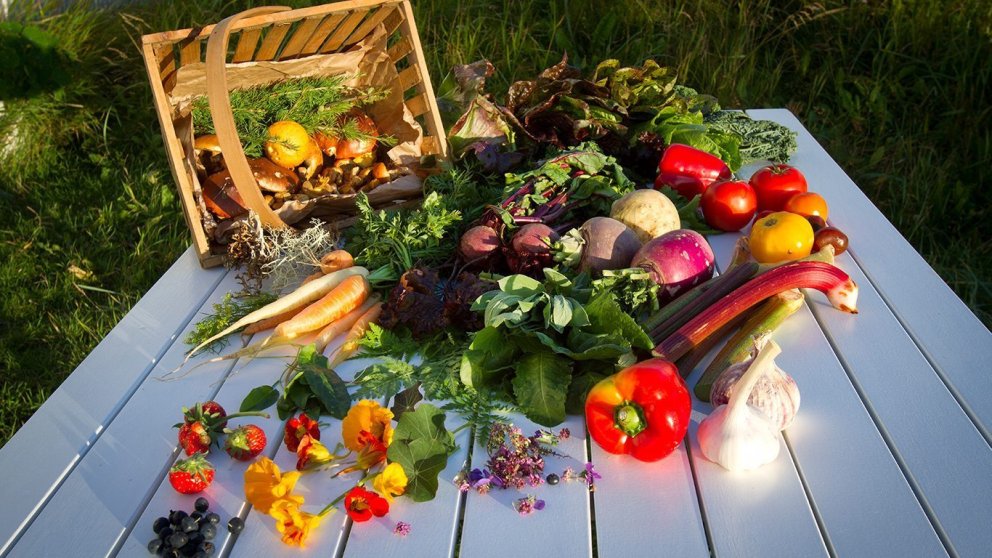
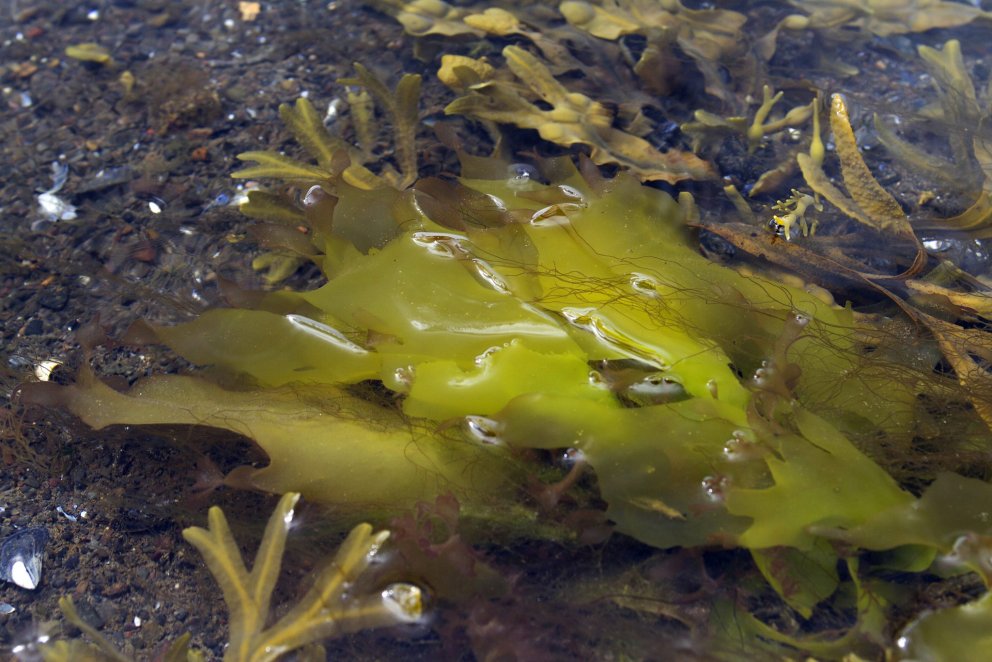
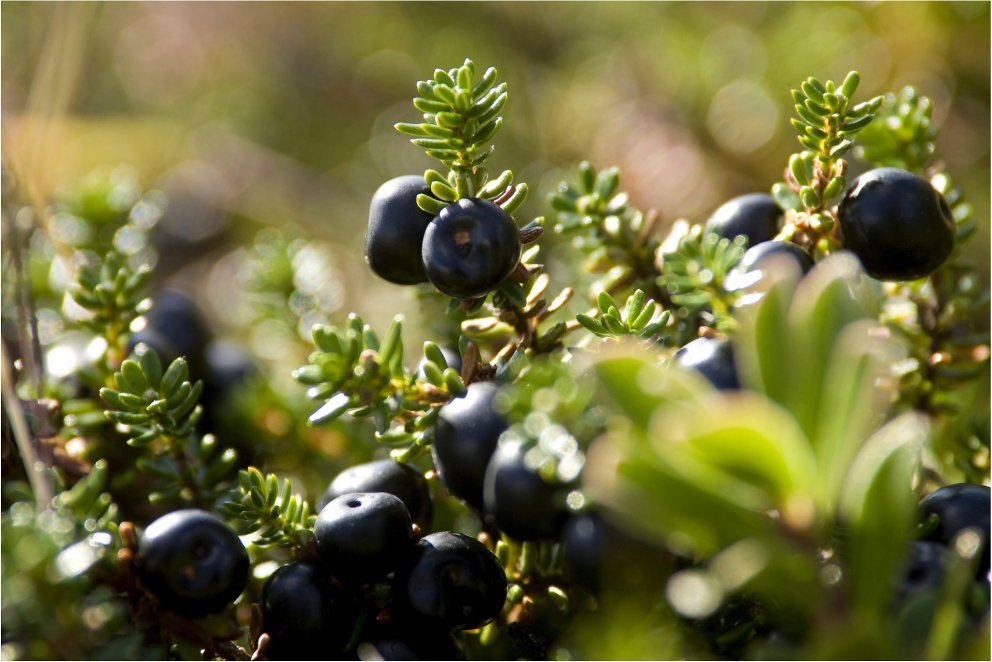
Icelandic food culture has always been shaped by nature. A cool climate, long winters, and historically limited access to imported goods meant that preservation and resourcefulness were essential for survival. Over centuries, Icelanders developed techniques such as drying, smoking, curing, and fermentation, making the most of what the land and sea provided each season.
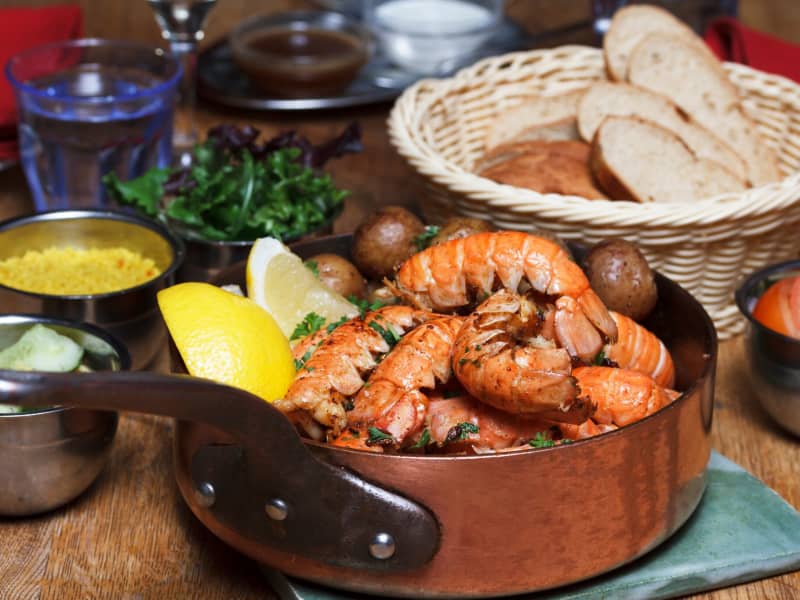
South Iceland has long been one of the country’s most important food regions. Fertile lowlands, powerful rivers, geothermal energy, rich fishing grounds and vast grazing areas have shaped a diverse culinary tradition that blends agriculture, seafood, wild ingredients and innovation.
For centuries, people here relied on the land and sea to survive. Today, many of those traditions still influence the region’s food culture, from family farms and greenhouses to locally sourced restaurant menus.