
Geothermal Greenhouses and Sustainable Food Production
Growing Food with the Power of the Earth
One of the most unique features of South Iceland’s food culture is the use of geothermal energy in agriculture. Natural hot water from underground geothermal fields makes it possible to grow fresh vegetables year-round despite Iceland’s northern climate.
Greenhouse farming began developing rapidly in the early 20th century as farmers discovered ways to harness geothermal heat for cultivation. Today, the region produces a large share of Iceland’s vegetables using this natural energy source.
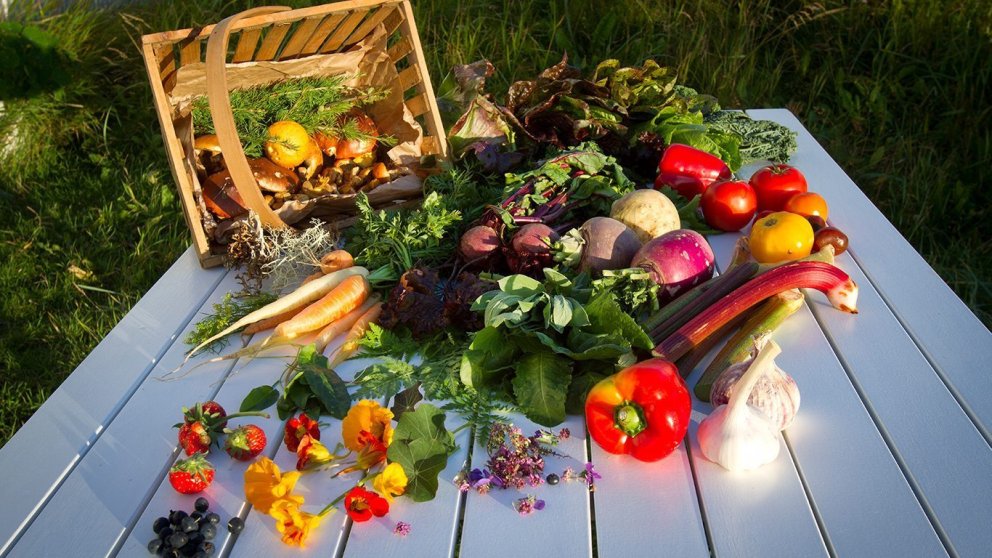
Towns such as Hveragerði, Flúðir, Reykholt and Laugarás became horticultural centres thanks to their geothermal resources. Tomatoes, cucumbers, peppers, mushrooms and herbs are grown in greenhouses where hot water heats the buildings and helps create stable growing conditions.
This system allows farmers to produce fresh food locally while minimizing energy use. Many greenhouses also rely on environmentally friendly methods such as biological pest control and pollination by bees.
Geothermal heat has also inspired unique culinary traditions. In places like Laugarvatn, rye bread is still baked in the hot ground near geothermal springs. The dough is buried underground and slowly steamed for hours before being served warm with butter. This traditional baking method offers visitors a rare opportunity to taste food prepared using natural geothermal heat.