
Farming Traditions of South Iceland
South Iceland has long been one of the country’s most important agricultural regions. Wide lowlands, fertile soil and abundant freshwater rivers created ideal conditions for farming, and agriculture continues to shape both the landscape and the food culture of the region.
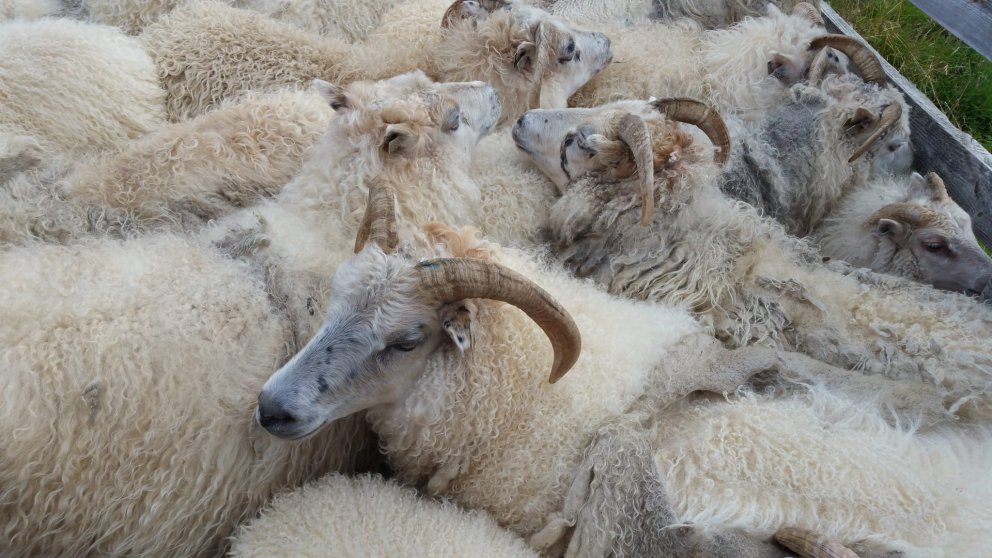
Sheep farming has been the backbone of rural life here for centuries. Icelandic lamb, raised on open pastures and natural vegetation, is still one of the most iconic foods of the region. During the summer months, sheep roam freely across the countryside, feeding on wild herbs, moss and grasses. This natural diet gives Icelandic lamb its distinctive flavour and is one of the reasons it is widely regarded as a premium product.
Dairy farming has also played an important role in South Iceland. For generations, farmers produced butter, cheese and milk products that supplied nearby communities and the capital region. Iceland’s famous dairy product skyr has deep roots in this farming culture and continues to be produced in the region today.
Vegetable cultivation has historically focused on hardy root vegetables that thrive in the Icelandic climate. Rutabagas and potatoes became staples of everyday cooking, often served alongside meat and fish dishes. The small farming area of Þykkvibær on the south coast eventually became known nationwide for its potatoes, a tradition that still continues today.
In modern times, South Iceland remains the agricultural heartland of the country. Many farms now supply restaurants and local markets directly, and visitors travelling through the region often encounter roadside farm shops offering fresh produce, homemade jams, baked goods and locally raised meat.