
Wild Ingredients and Historic Survival Foods
Before modern agriculture and transport networks developed, people in South Iceland relied heavily on wild food sources to supplement their diet. Fishing, bird hunting and foraging all played an important role in everyday life.
Freshwater rivers and lakes across the region provided trout and Arctic char, while coastal wetlands and estuaries supported eel fishing in earlier times. These fish were often salted, smoked or dried to preserve them.
Bird hunting and egg collecting were also part of traditional life in coastal areas and islands. The Westman Islands are home to one of the world’s largest puffin colonies, and puffin hunting has long been part of the island’s cultural heritage. Other seabirds such as fulmar were also harvested in some coastal areas.
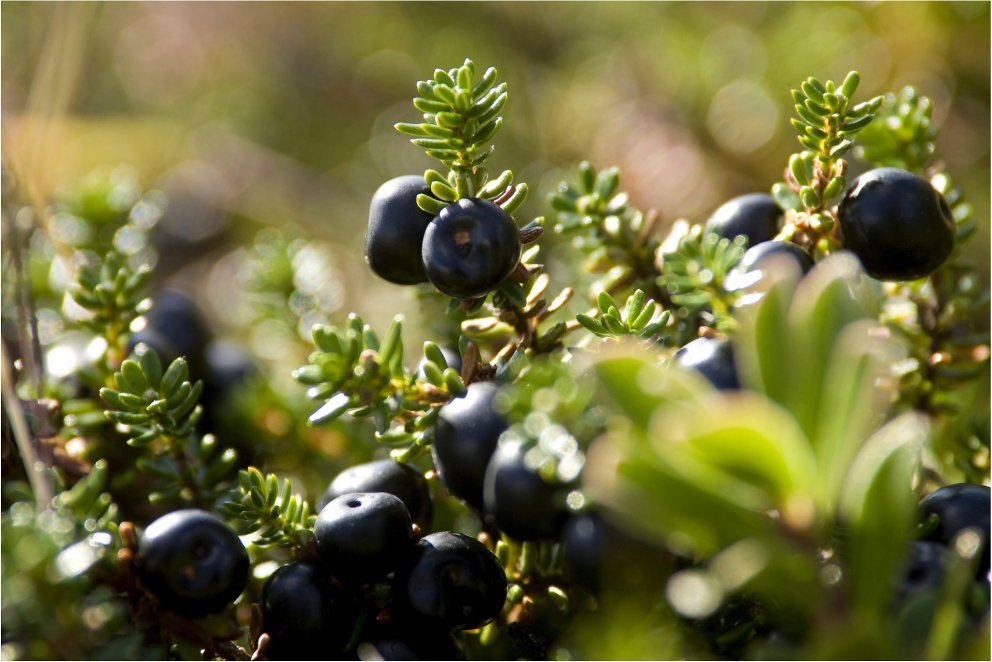
Wild plants and berries provided additional nutrition during the summer months. Crowberries and blueberries were commonly gathered and turned into jams and desserts. Rhubarb, often grown near farmhouses, became another popular ingredient for sweets and preserves.
In earlier centuries, people also used creative solutions to cope with food shortages. Seeds from lyme grass were sometimes ground into flour to make porridge or bread, while leftover grains and porridge were often used to make small pancakes known as lummur.
Although these survival foods are less common today, they remain an important reminder of how Icelanders adapted to a harsh environment using the resources available to them.