Seafood and Coastal Food Culture
While agriculture dominates the inland lowlands, the Atlantic Ocean has always been another vital source of food for the people of South Iceland.
Fishing communities developed along the south coast wherever natural harbours and landing conditions allowed. Small boats once operated from villages such as Þorlákshöfn, Eyrarbakki and Stokkseyri, bringing in cod, plaice and other fish from nearby fishing grounds.
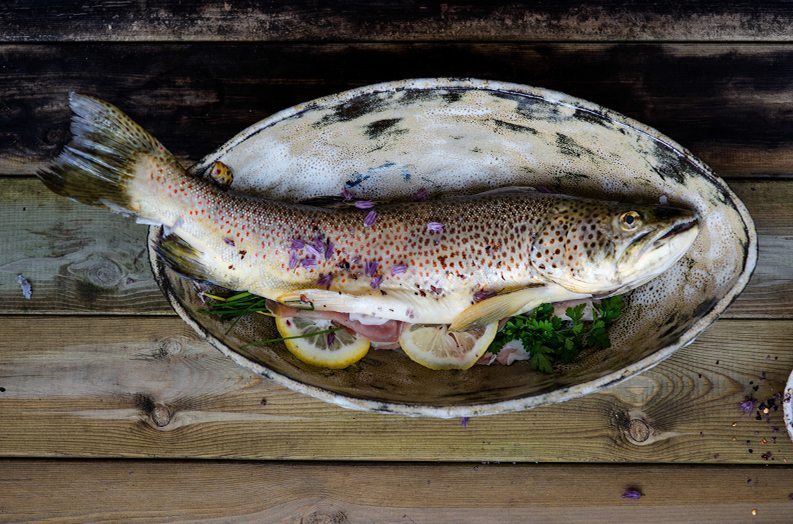
For centuries, dried fish was a staple food throughout the region. Fish was cleaned, split and hung to dry in the wind, allowing it to be stored for long periods. This preserved fish provided essential nutrition during the winter months and was eaten regularly in Icelandic households.
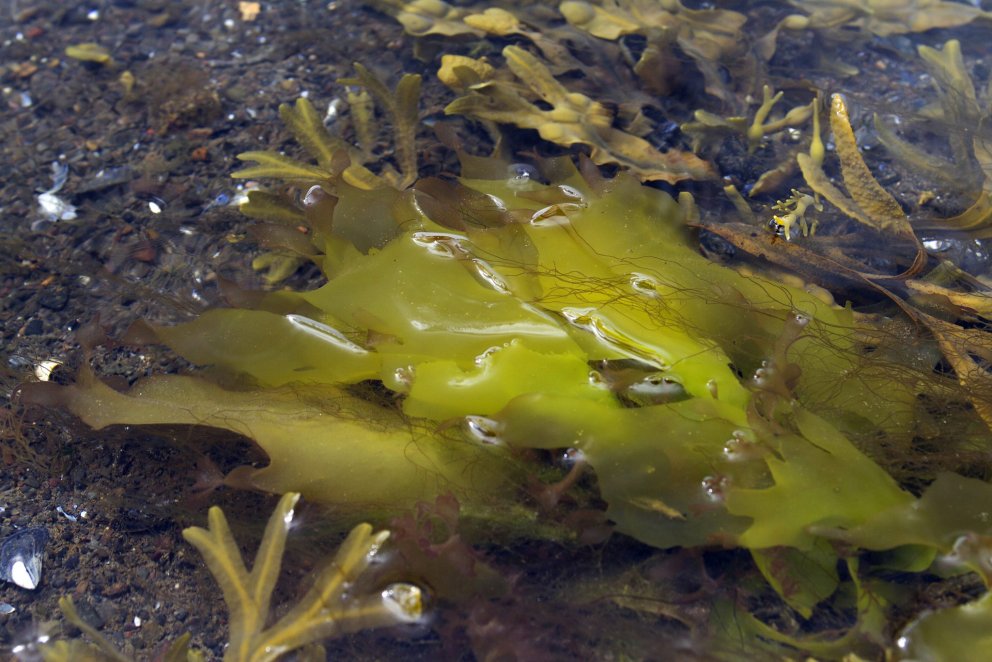
In some coastal areas, seaweed such as dulse was also harvested and eaten as a nutritious snack. Dulse has been collected along the south coast for generations and remains a well-known Icelandic delicacy.
Further east along the coast, the fishing town of Höfn became famous for its langoustine. These small lobsters are considered one of Iceland’s finest seafood specialties and are celebrated each year during the town’s popular langoustine festival.
Today, seafood continues to play an important role in the region’s cuisine, with many restaurants offering fresh fish and shellfish sourced directly from the surrounding waters.