The Magic of the Northern Lights in South Iceland

When is the best time to see the Northern Lights?
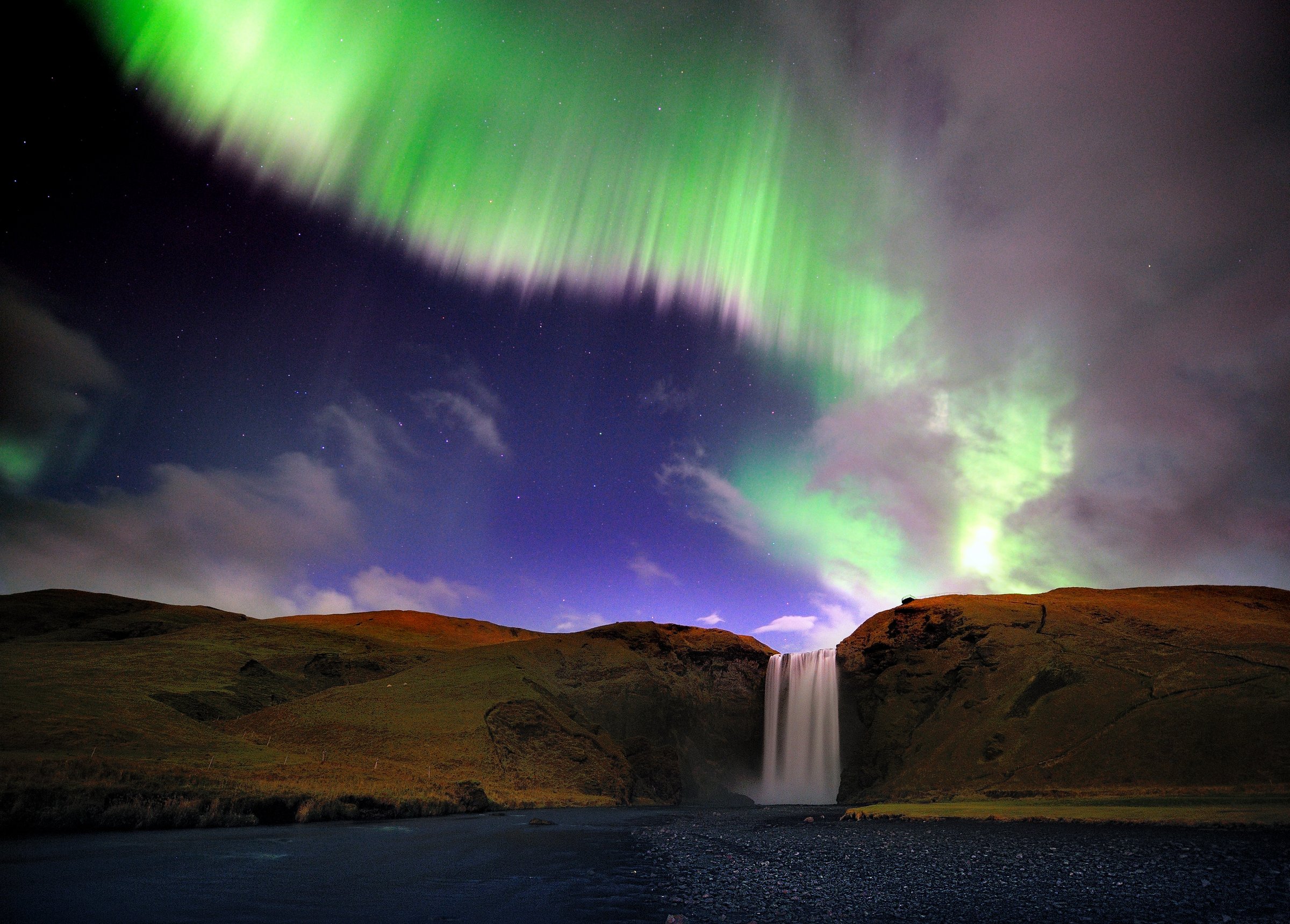
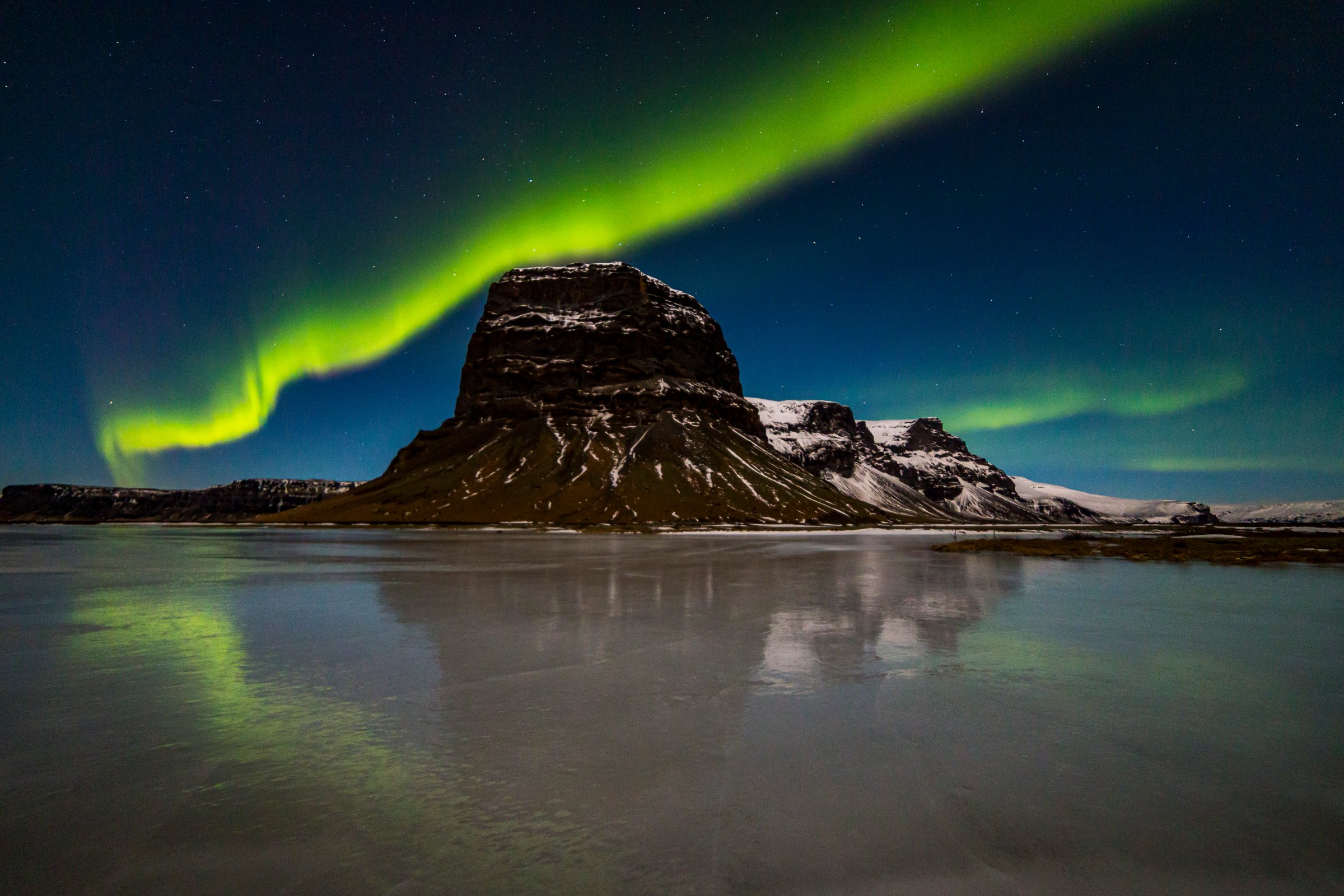
The Northern Lights are most visible from September through April, when the nights are long and dark. While they can never be guaranteed — since they depend on solar activity and weather conditions — South Iceland is considered one of the best places to witness them. The varied scenery makes the experience truly unforgettable, whether you see them reflecting in glacial lagoons, above waterfalls, or stretching over the black sand coast.
What makes South Iceland so special?
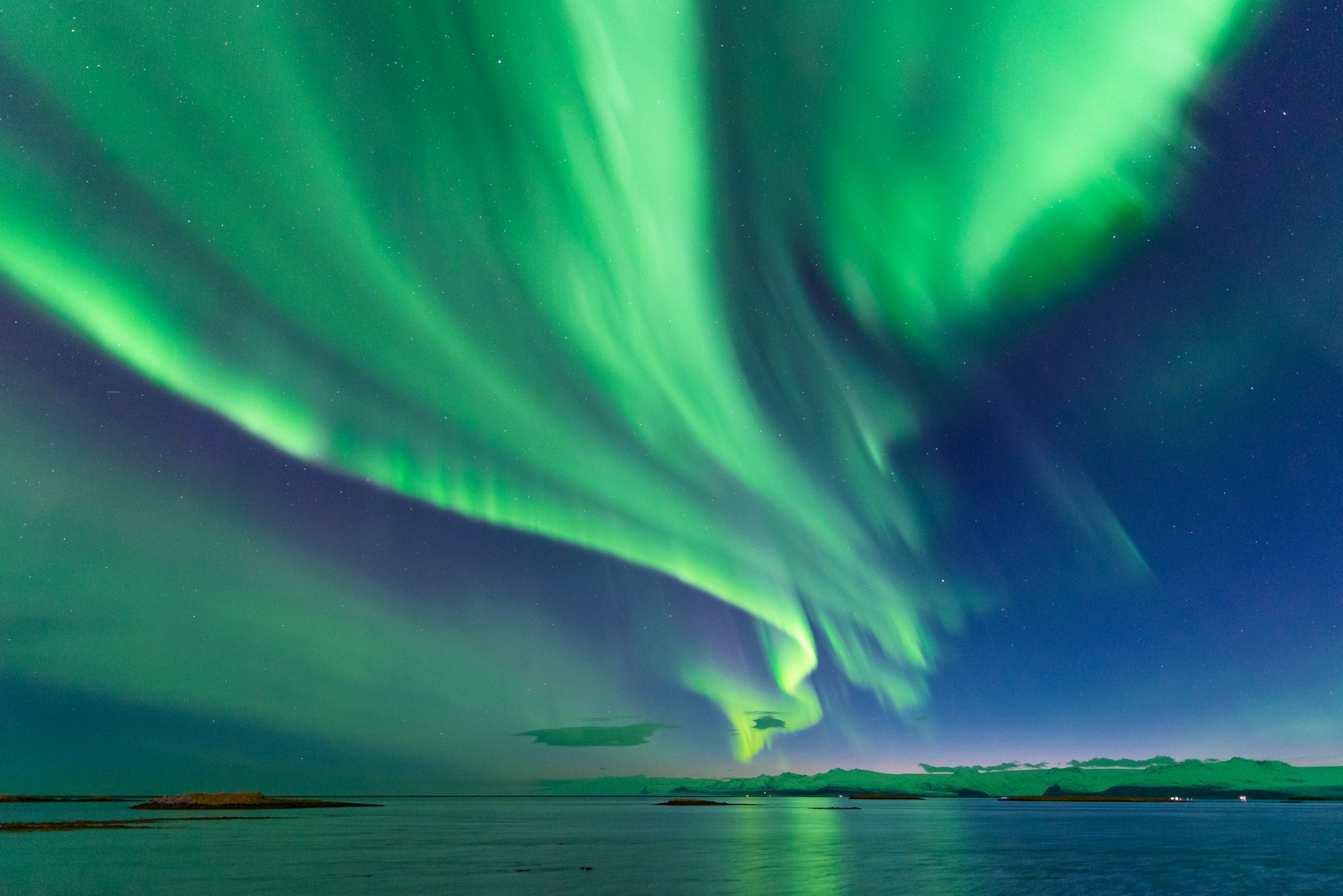
South Iceland offers the combination of pristine darkness, accessibility, and breathtaking surroundings. Watching the aurora dance above the snow-capped mountains, or ripple across the sky behind dramatic rock formations, makes the moment feel otherworldly. Each sighting is unique — sometimes soft, subtle waves of light, other times a powerful, swirling display that fills the whole sky.
Guided tours and local experts
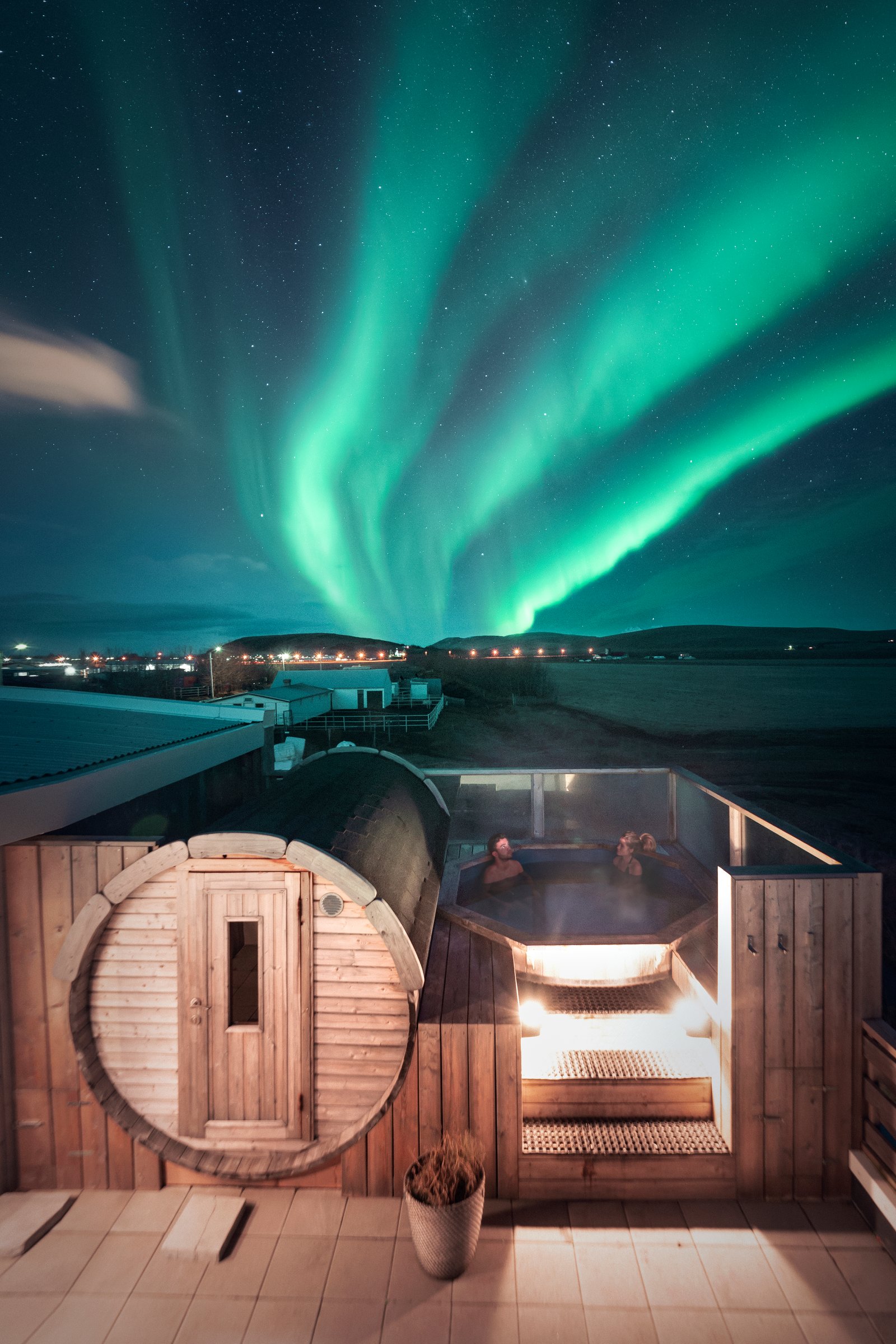
For the best chance of seeing the aurora, many travelers choose to join guided tours led by local experts who know the most promising viewing spots away from light pollution. If you’re looking for inspiration, here are a few options to consider:
-
Arctic Adventures – Offers a wide range of tours combining aurora hunting with glacier hikes, lava caves, or hot springs.
-
Midgard Adventures – Known for small group experiences that often mix adventure activities with warm local hospitality.
-
Southcoast Adventure – Specializes in jeep tours and off-the-beaten-path experiences, including aurora hunting in the remote South Coast.
Aurora forecasts and where to check them
Since the Northern Lights are a natural phenomenon, it’s always wise to check the aurora forecast before heading out. In Iceland, you can use reliable resources such as:
-
Icelandic Meteorological Office – Aurora Forecast – Provides real-time predictions on aurora activity and cloud cover, helping you decide where to go.
-
Iceland at Night – A dedicated resource with helpful insights, images, and updates about aurora conditions across the country.
By using these tools, you can maximize your chances of seeing the aurora — though part of the magic lies in the anticipation and the chase itself.
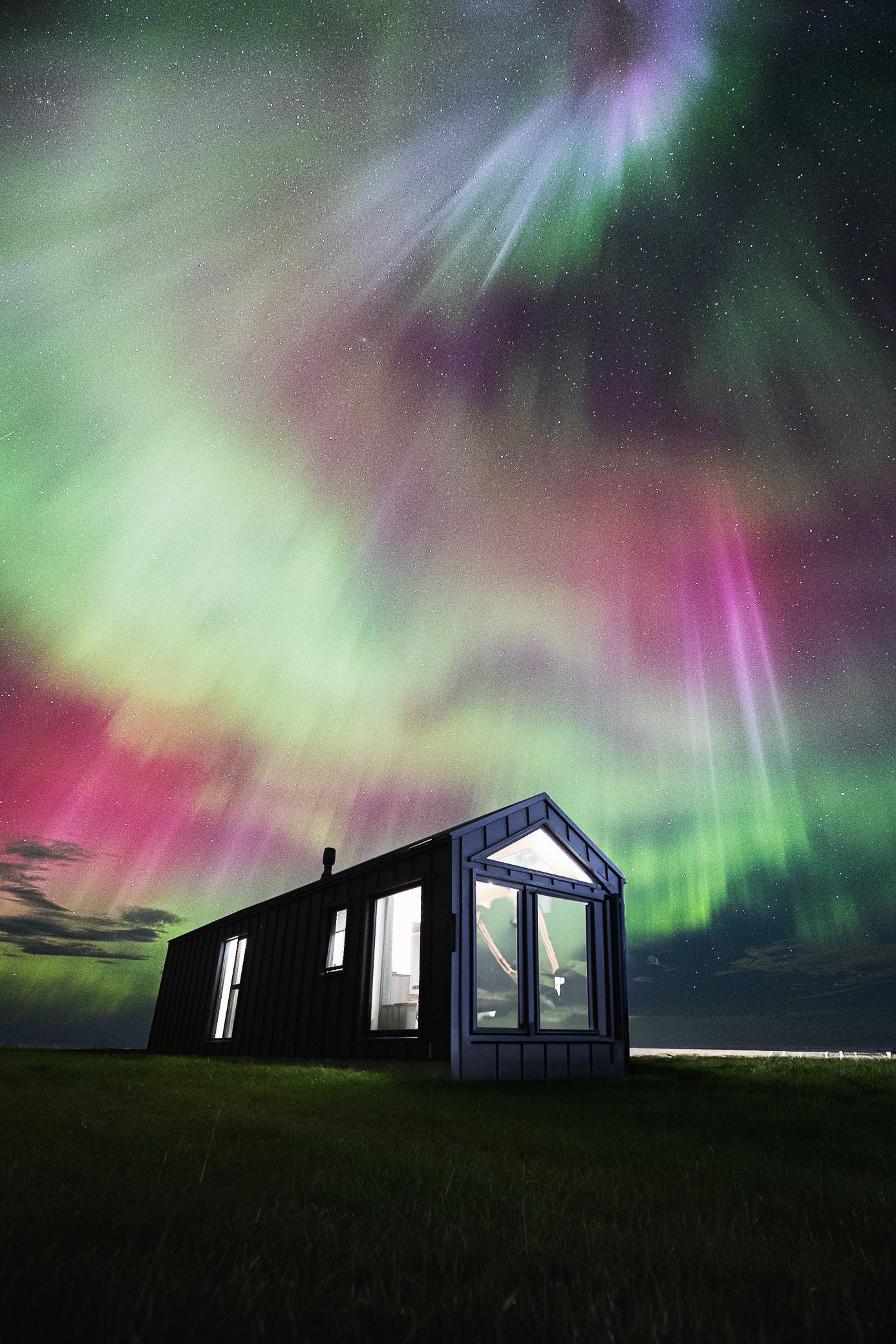
Tips for Photographing the Northern Lights
Capturing the magic of the aurora can be challenging, but with a few simple tips, you can greatly improve your chances of getting stunning photos:
-
Use a tripod – Since Northern Lights photography requires long exposure times, keeping your camera steady is essential.
-
Bring a wide-angle lens – A wide field of view helps capture both the lights and the dramatic Icelandic landscape.
-
Manual settings work best – Set your camera to manual mode so you can adjust ISO, shutter speed, and aperture yourself.
-
Start with ISO 1600–3200, aperture f/2.8–f/4, and a shutter speed of 5–15 seconds. Adjust depending on the brightness of the lights.
-
-
Turn off the flash – A flash won’t help in the dark and will only wash out your image.
-
Focus manually – Autofocus struggles at night. Focus on a distant light source or set your lens to infinity.
-
Dress warmly – Remember, you’ll be standing still for long periods in the cold. Warm clothes and gloves will make the experience more enjoyable.
-
Be patient – The lights can be faint at first, then suddenly burst into color. Keep your camera ready and give yourself plenty of time.
Even if you don’t have professional equipment, modern smartphones can sometimes capture the aurora if you use “night mode” or special apps designed for low-light photography.
A once-in-a-lifetime experience
Whether it’s your first time in Iceland or your tenth, the Northern Lights never lose their magic. Every night brings the chance for a different show, and seeing them in the wild, dramatic setting of South Iceland is something that stays with you forever.