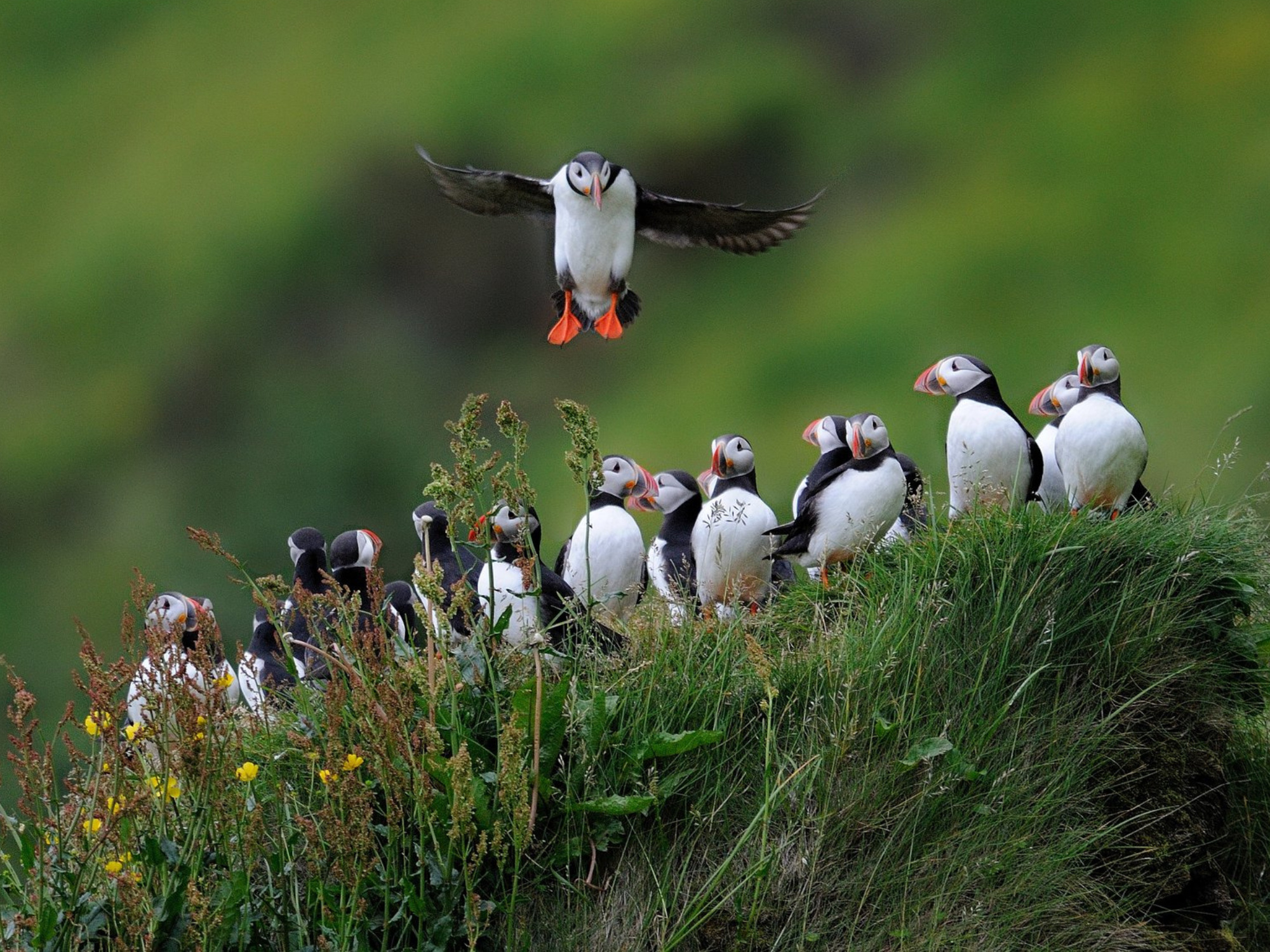
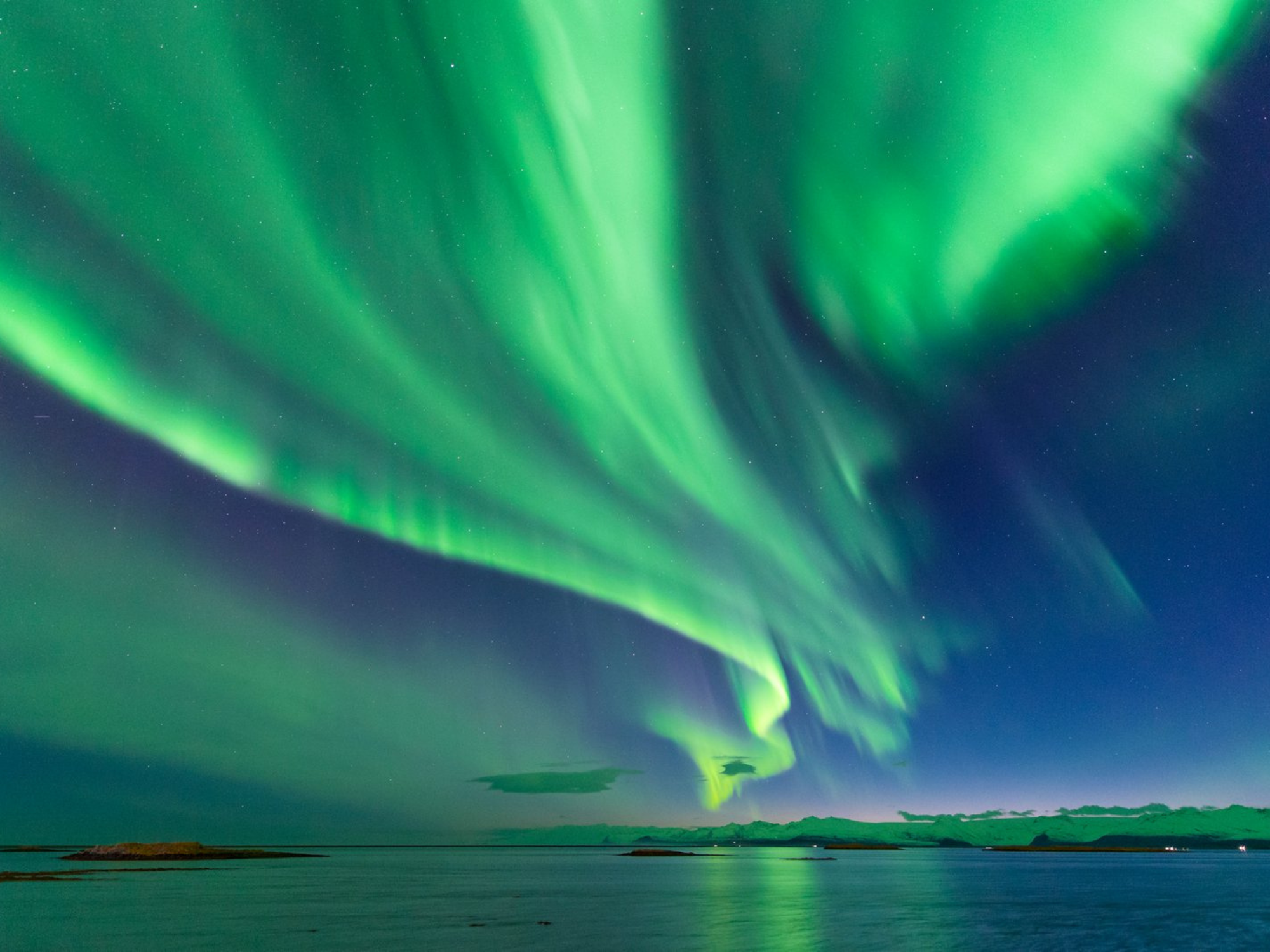
Seasons add an extra layer to the experience. In summer, puffins can often be seen around the Vík area and in the Westman Islands, especially if you plan a little time for coastal viewpoints and birdlife. In winter, long dark evenings create excellent conditions for northern lights watching on clear nights, particularly when you head away from bright town lights and give yourself time to wait for the sky to do its thing.
Below are four routes that help you experience South Iceland in different ways. Each one has its own character, and you can mix and match them depending on how many days you have and what kind of trip you want.
Route 1: The Golden Circle, Iceland’s classic first road trip
The Golden Circle is the perfect introduction to South Iceland because it combines three signature experiences in one easy loop. You get national history, dramatic geology, and powerful geothermal energy, all within a day trip distance from the capital area.
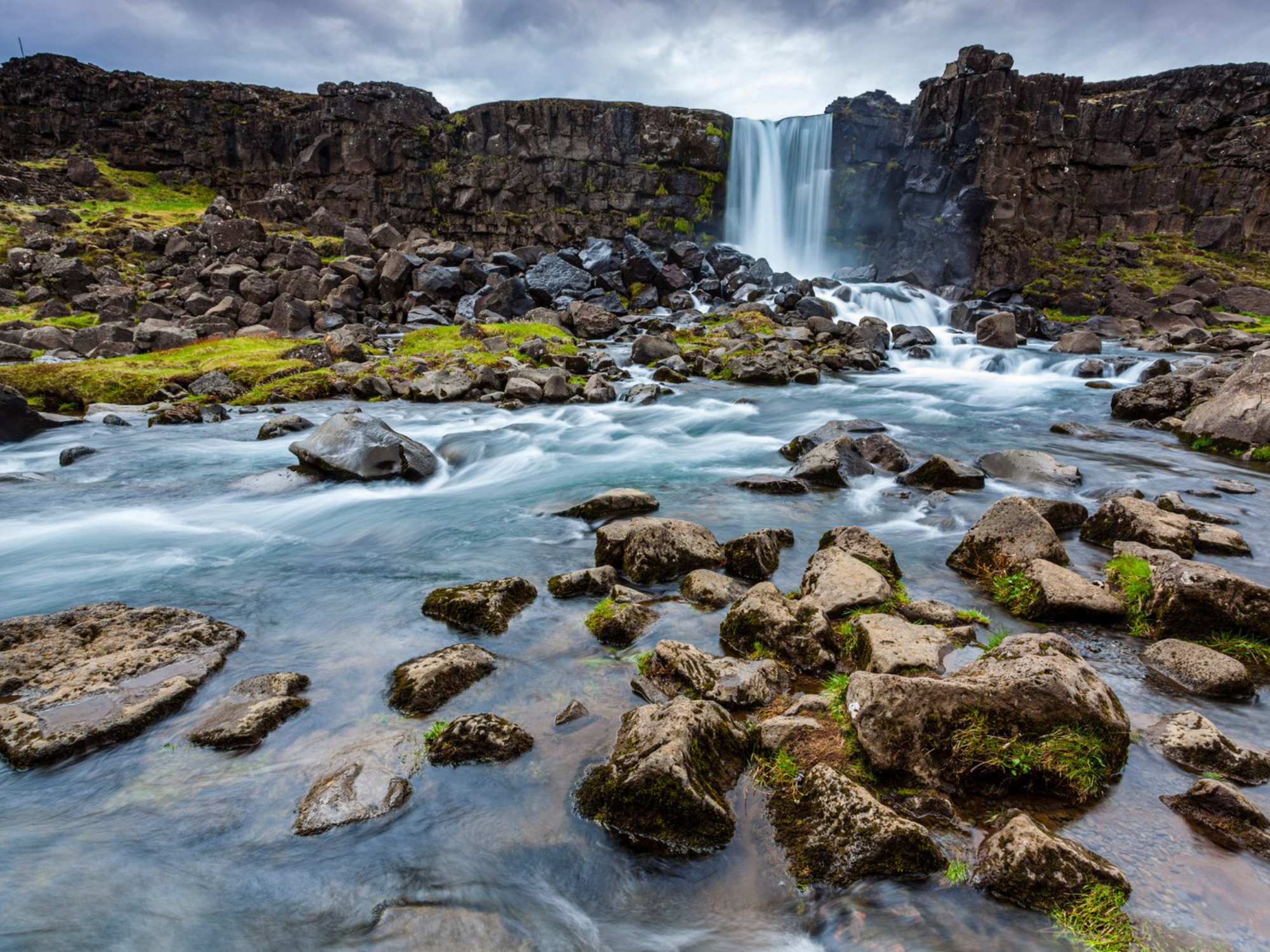
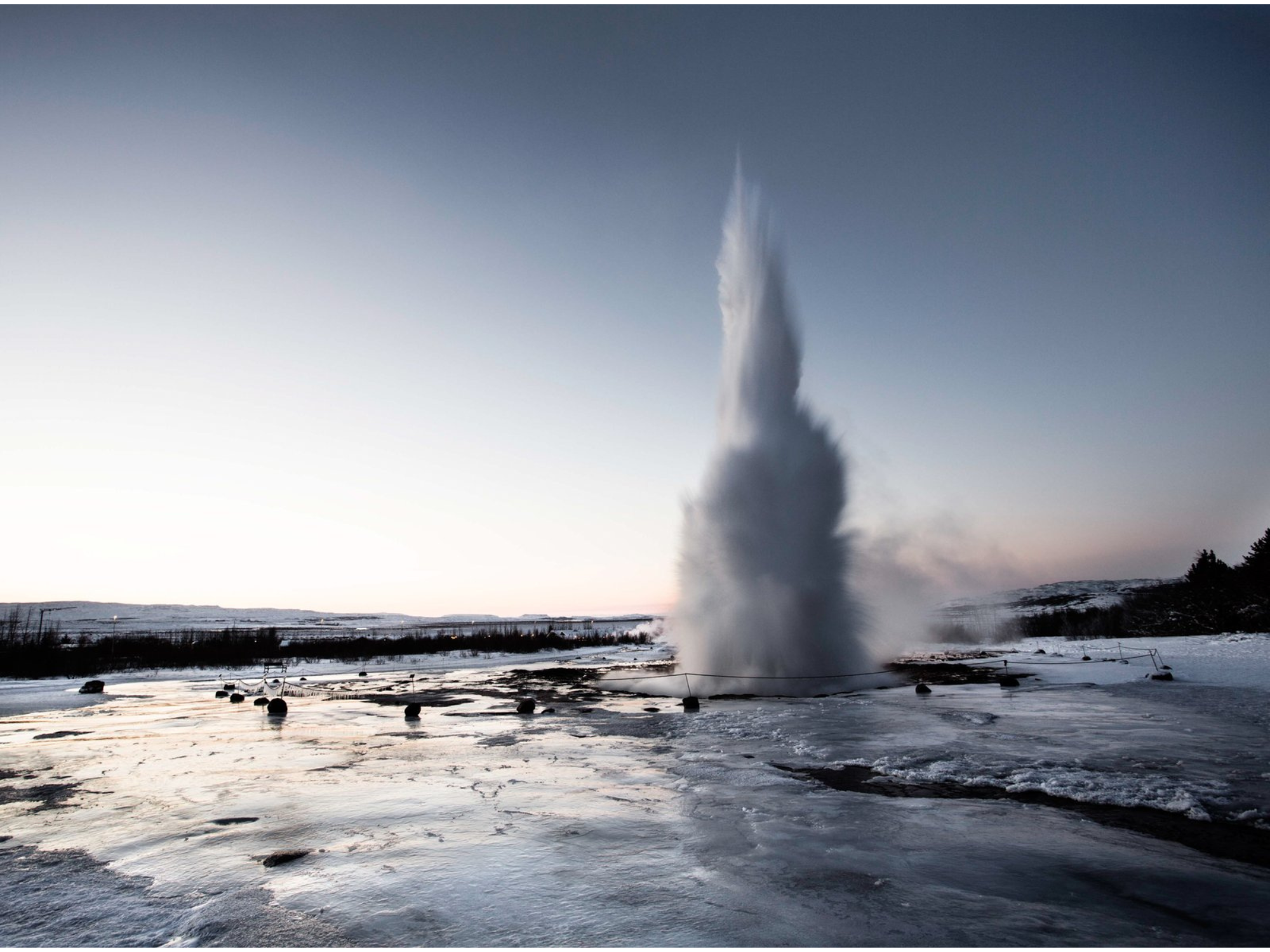
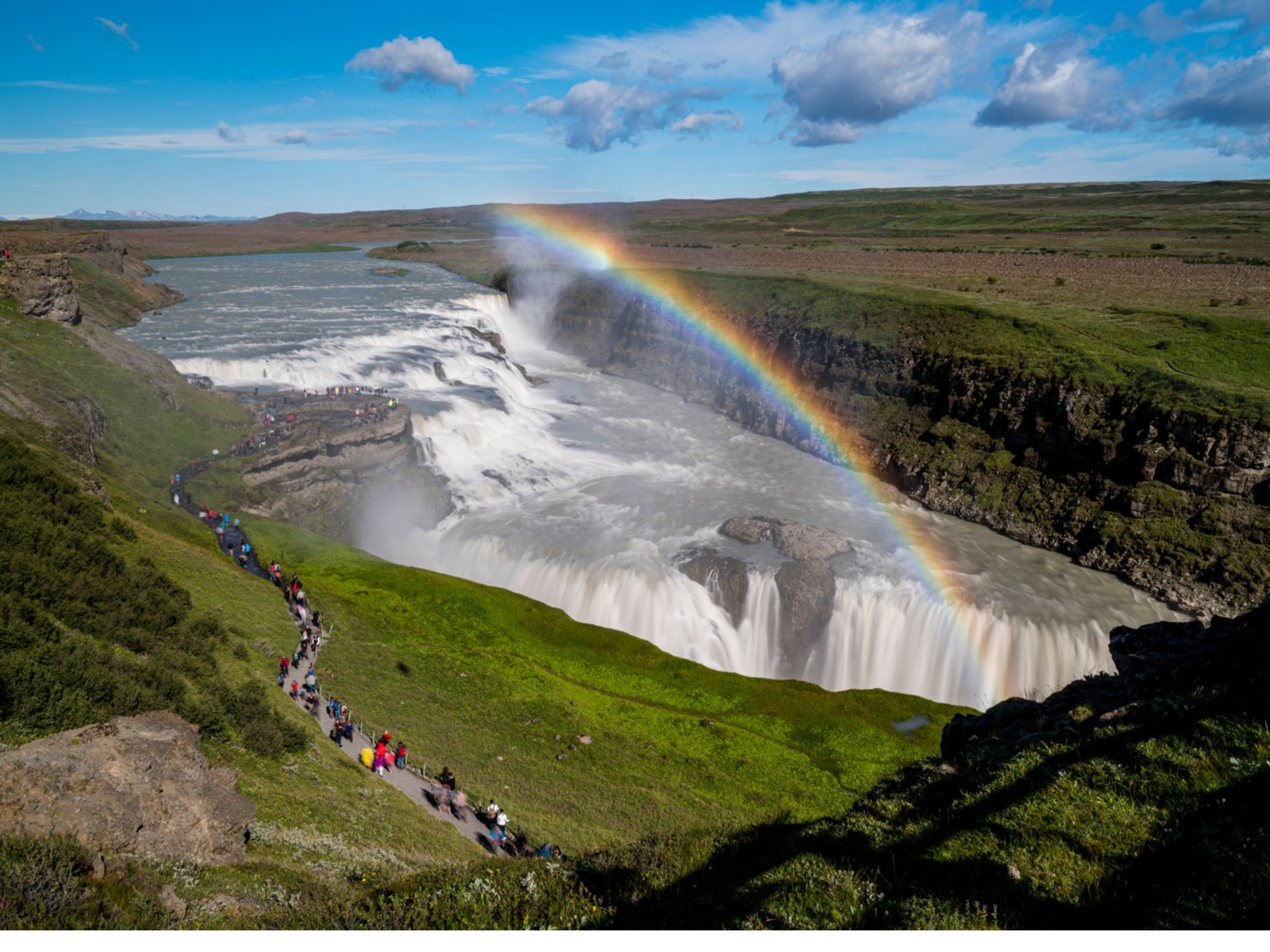
Start with Þingvellir National Park, where Iceland’s landscape feels wide open and the Mid Atlantic Ridge becomes visible on land. It is also one of the most important historical locations in the country, so it is a place where the scenery and the story go hand in hand. From there, head to the Geysir geothermal area, where steaming ground and erupting hot springs remind you that Iceland is very much alive beneath your feet. Then continue to Gullfoss, a two tier waterfall that is both loud and beautiful, and often misty enough to feel like you have stepped into a moving weather system.
If you want to add a little more variety, stop at Kerið crater for a striking volcanic crater lake, or make time for Skálholt, a key historical church site. For a warm and relaxing break, Laugarvatn Fontana or Laugarás Lagoon are an easy add on for geothermal bathing and relaxed dining.
Many travellers do the Golden Circle as a day trip, and it works well that way. If you want to enjoy it more fully, consider slowing down and staying 1-2 nights in the area. That extra time lets you add short walks, linger longer at the main sights, and make room for smaller stops, local food, and a geothermal soak. The route works beautifully as a loop. Instead of driving the same way back, you can return via Route 1 across Hellisheiði, with the option to stop at the Geothermal Exhibition, or simply shape the circle to suit your starting point and preferred pace.
Route 2: The South Coast, a journey of big icons and even bigger scenery
If you want the classic South Iceland road trip, this is the one. The South Coast is a highlight reel of waterfalls, black sand beaches, glacier landscapes, and cinematic viewpoints, and it keeps getting more dramatic the farther east you drive. It is a route that feels generous, because every stop somehow looks like it belongs on a postcard.
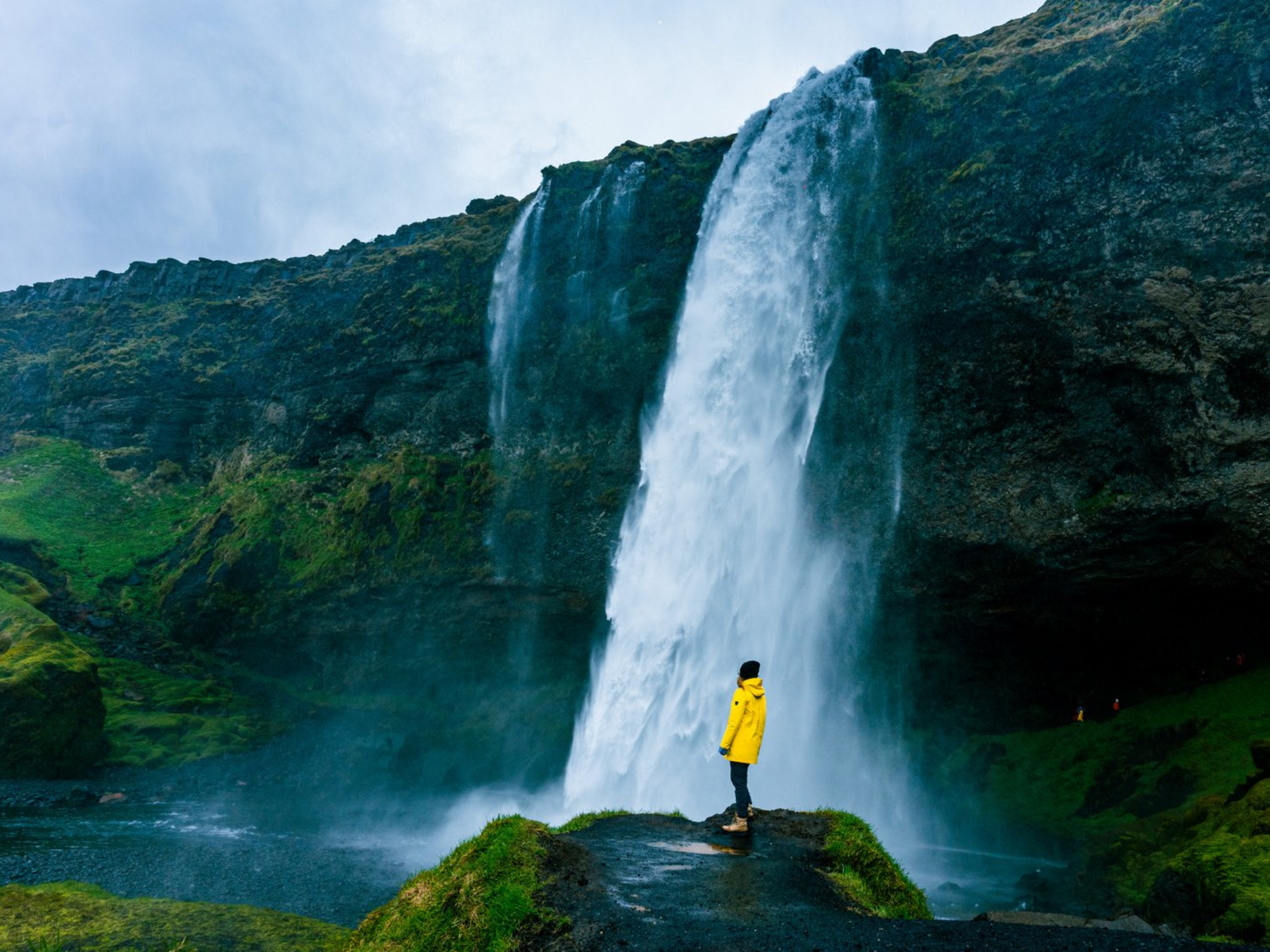
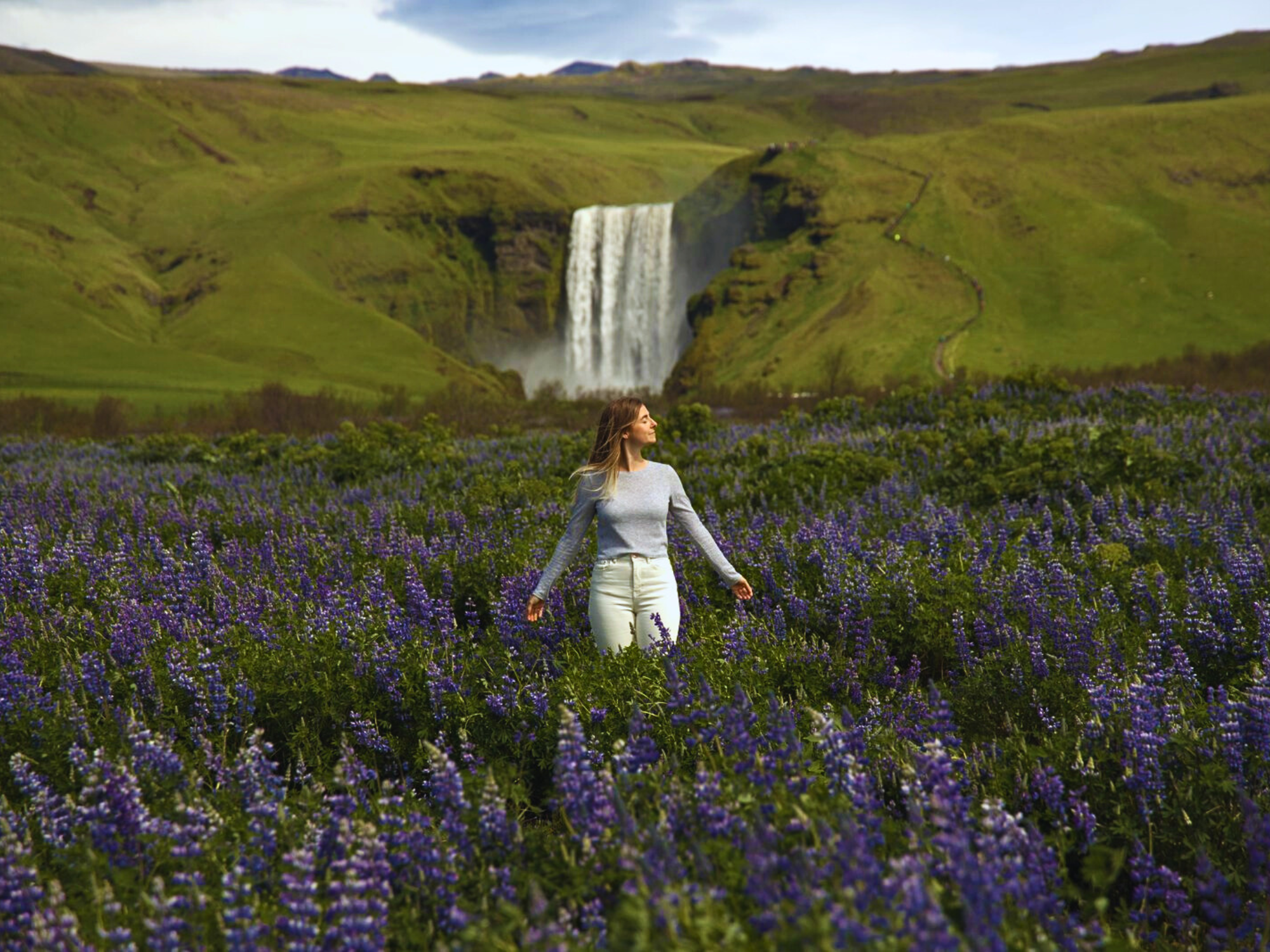
Many travellers begin with Seljalandsfoss and Skógafoss, two waterfalls that are famous for good reason and still manage to feel exciting in person. The Skógar area is also a great place to add a cultural stop at Skógar Museum if you want context and history alongside the natural sights. As you continue east, the landscape shifts between open farmland, lava fields, cliffs, and long coastal views.
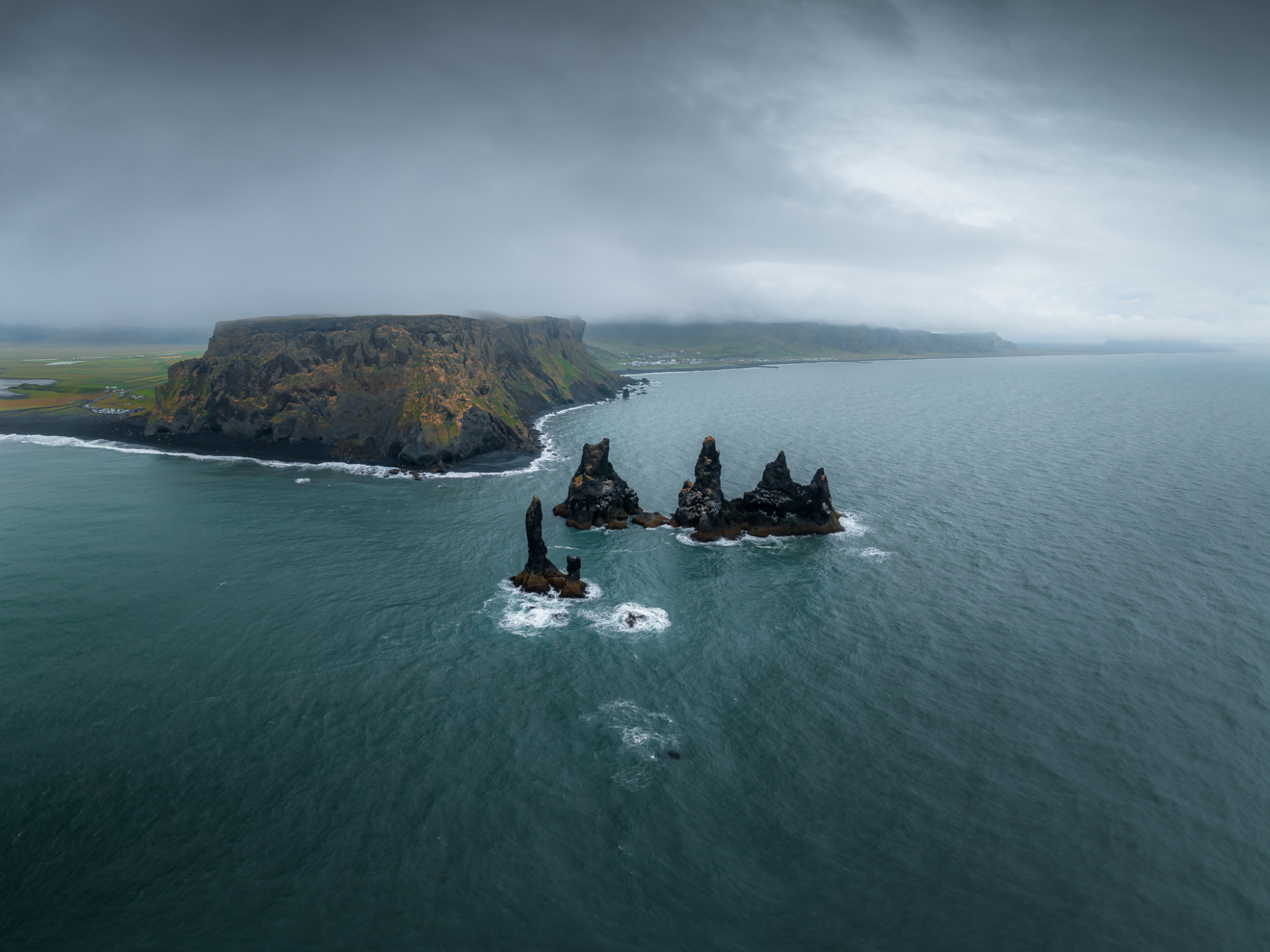
Vík is a natural pause point for food and planning, and it is also a good base for exploring nearby black sand coastline and viewpoints. Vík also hosts The Lava Show where guests are able to see and feel the heat of real lava. In summer, Vík is a region where puffins can be seen, so it is worth packing binoculars or at least taking a few minutes to scan the cliffs and the sea.
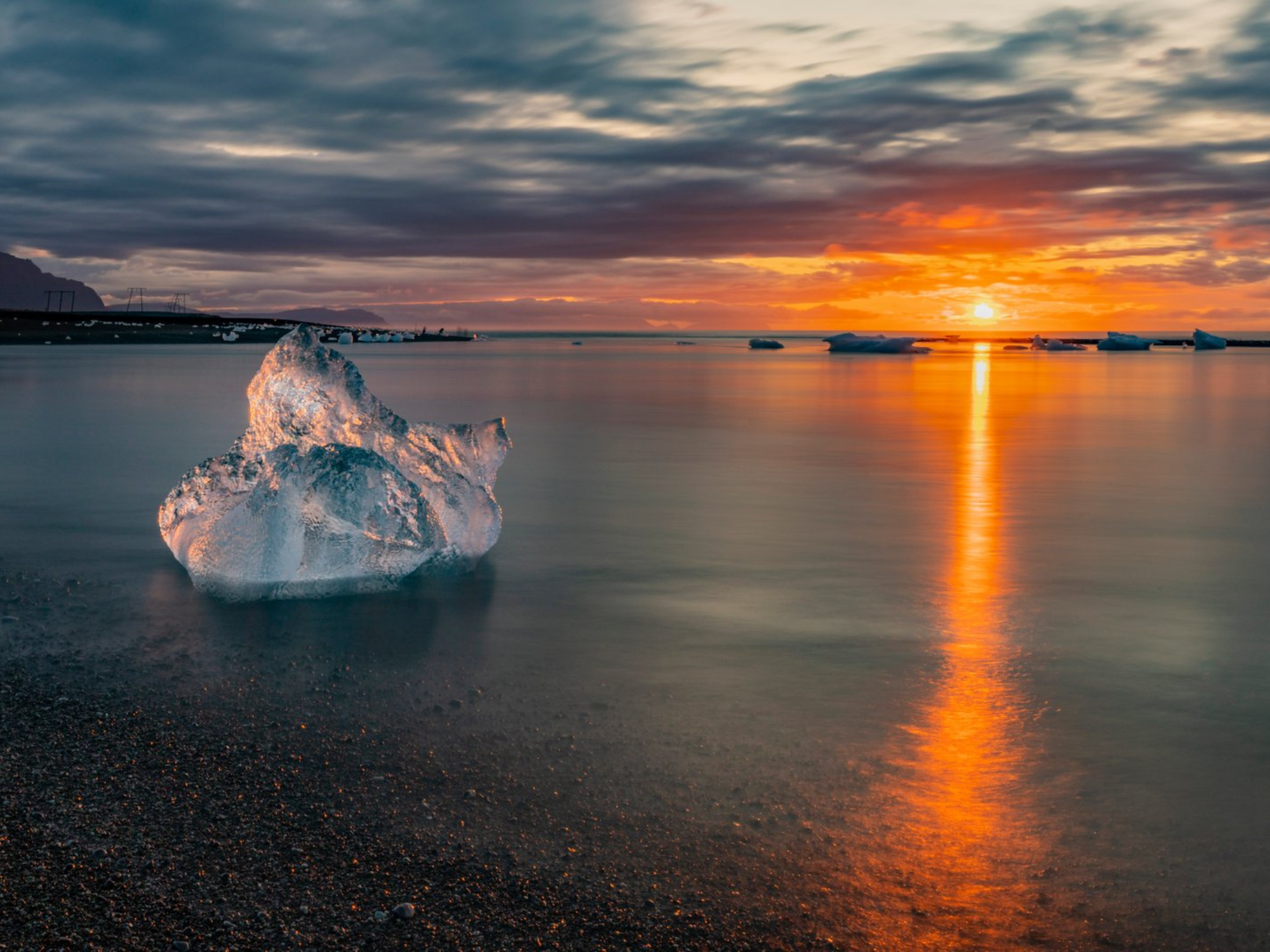
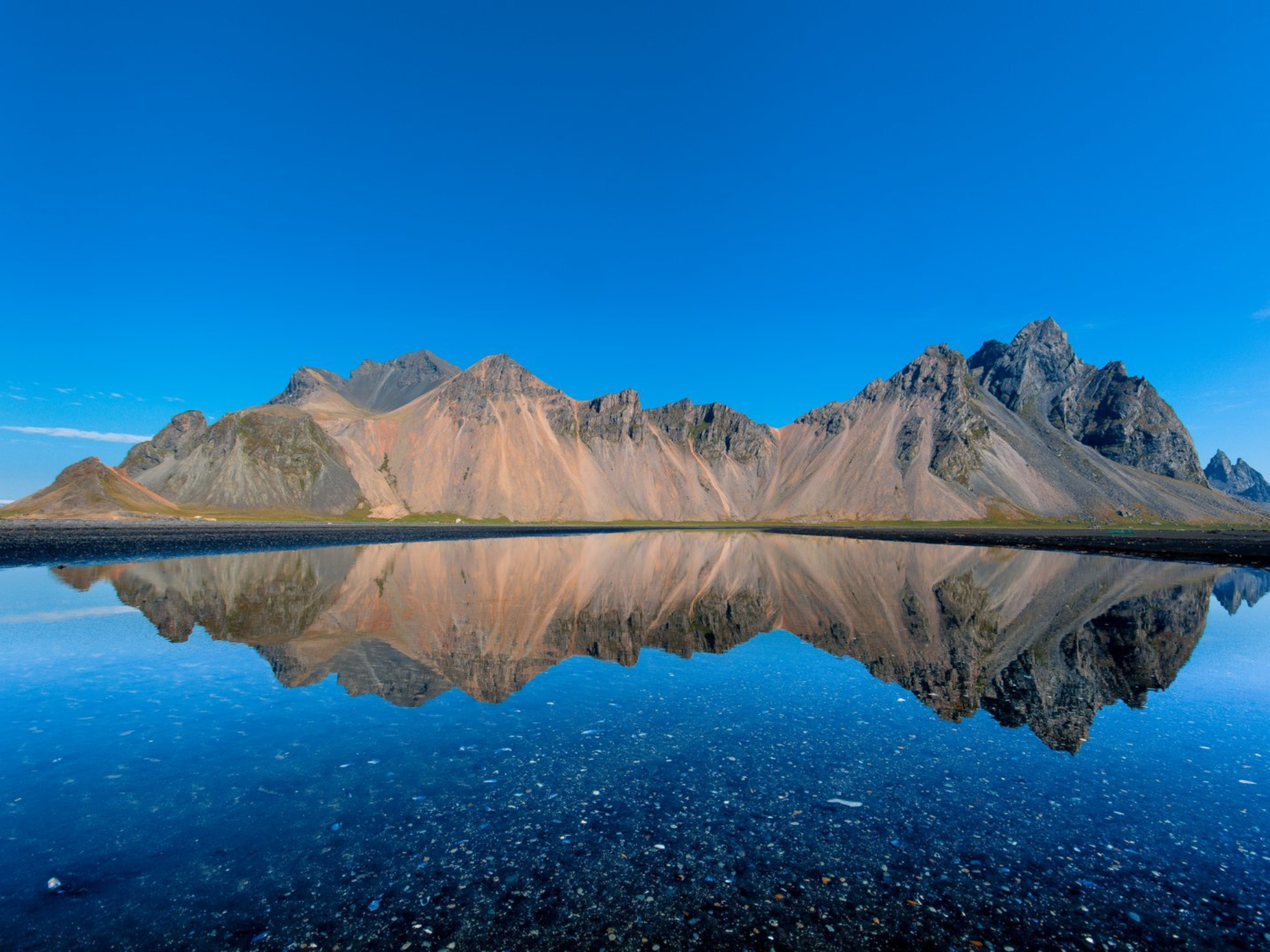
Farther east, you can add canyons, such as the famous Fjaðrárgljúfur and the Jökulsárlón glacier lagoon, before continuing toward the dramatic mountain shapes around Vestrahorn near Höfn. This is the kind of road trip where giving yourself time completely changes the experience. It is possible to drive sections of the South Coast in a long day, but if you want to walk trails, stay flexible with the weather, and enjoy the places rather than just collecting them, plan to take it slowly. If you aim to reach Vestrahorn, 2 to 3 nights is a comfortable pace that lets you actually breathe between the highlights and gives you enough time to visit some of the region's museums and/or exhibitions, such as the Lava Centre at Hvolsvöllur or the Lava Show at Vík.
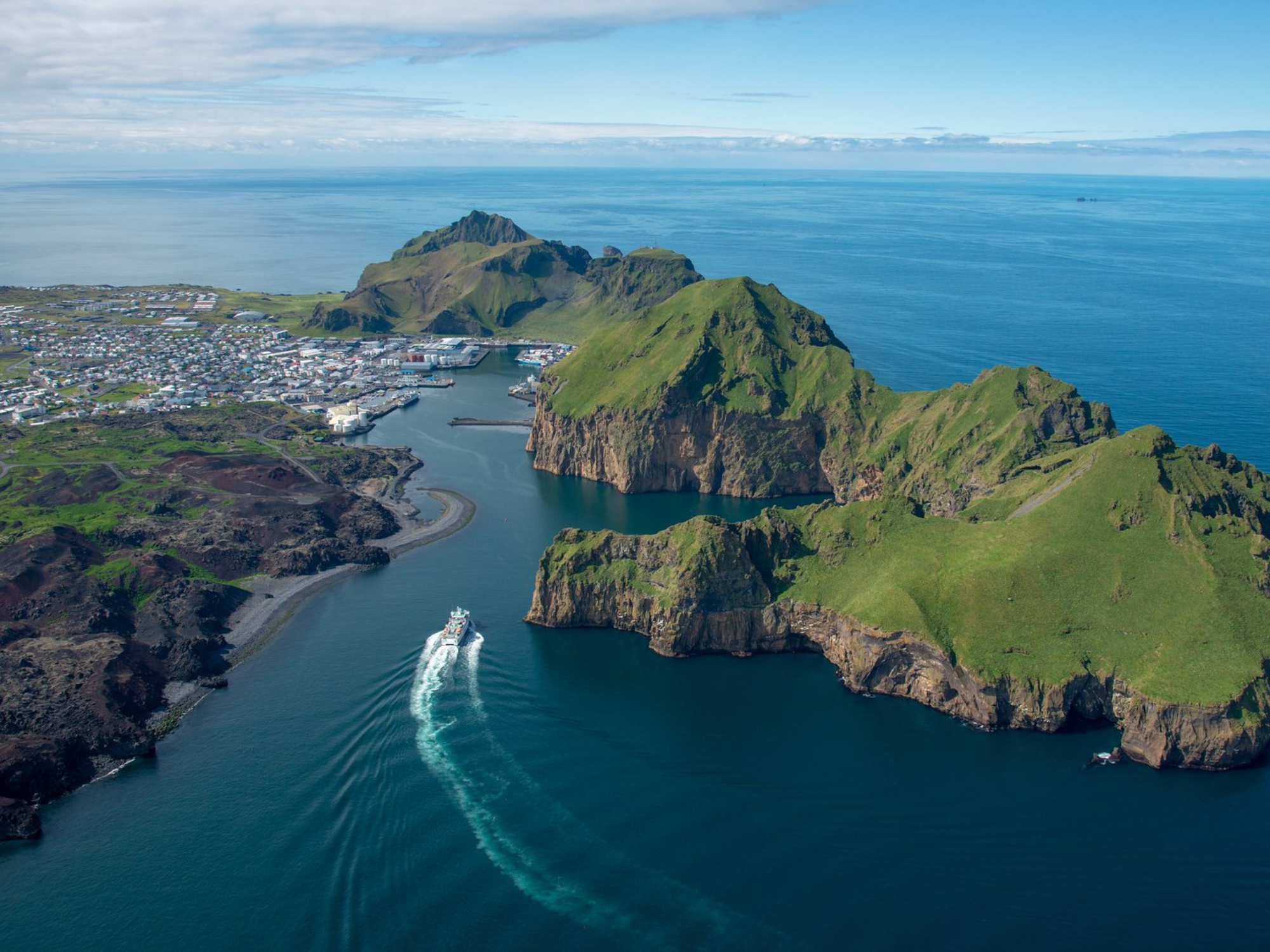
There is also a side trip that fits beautifully into a South Coast itinerary. The Westman Islands are an excellent detour; adding the islands gives you an island community shaped by the sea and volcanic history, along with dramatic coastal cliffs and wide-open ocean views. In summer, it is one of the best places in Iceland for puffin watching, and it adds a completely different rhythm to a trip that is otherwise focused on the mainland.
The South Coast can be travelled as a return route, driving the same way back west, or as a one way journey that continues east on Route 1. Many travellers prefer to keep going and follow the Ring Road into East Iceland, which lets the trip unfold naturally without backtracking.
Route 3: The Volcanic Way, Reykjanes, the South Coast, Þjórsárdalur and Westman Islands for travellers who want the full fire story
The Volcanic Way is a road trip built around the forces that shaped Iceland. It links volcanic areas, lava landscapes, and geothermal hotspots, and it is ideal for travellers who want to understand the land rather than just admire it from the roadside. It also pairs naturally with classic South Coast scenery, so you get the best of both worlds, and you can build an itinerary that feels both educational and wildly beautiful.
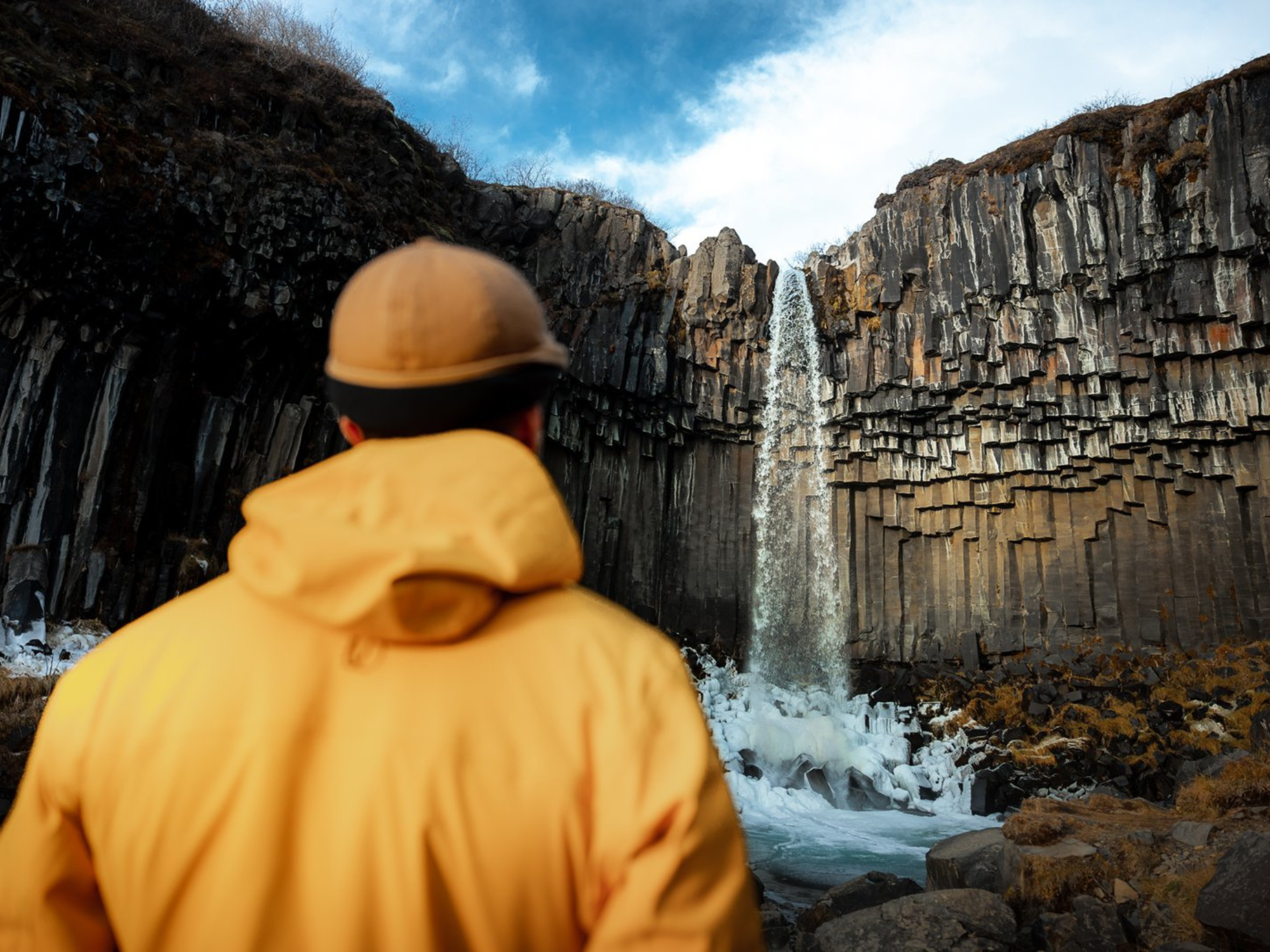
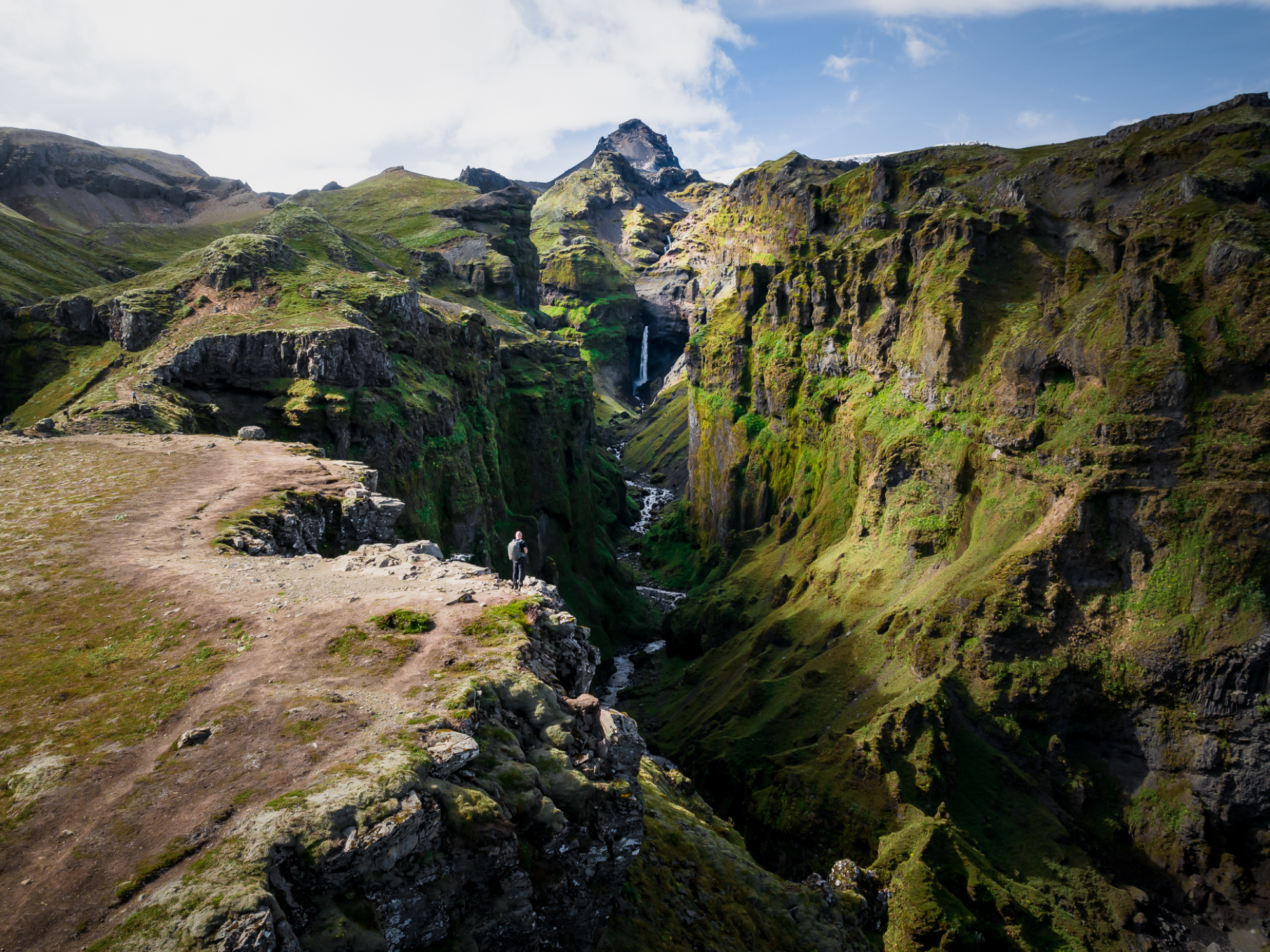
One of the most rewarding inland additions on this route is Þjórsárdalur. This green valley surprises many travellers because it feels like a different Iceland, especially after days of coastal cliffs and black sand. In Þjórsárdalur you can explore waterfalls and lava formations, and you can also connect with settlement history in a landscape that has been shaped by eruptions from Hekla. Two standout stops are Háifoss, one of Iceland’s tallest waterfalls, and Gjáin, a lush and scenic area with short walks that feel like a hidden corner of a fantasy map.
If you want to extend the volcanic theme beyond the mainland, the Westman Islands also fit naturally into this journey. They add a different perspective on Iceland’s volcanic past, and they are a memorable contrast to the inland valleys and the long South Coast drives. You can visit Eldheimar and Sagnheimar museums to learn about the everyday life and history of the islands. In summer, puffins are a major draw here too, and many travellers love combining a volcanic focused itinerary with a day trip or overnight on the islands.
The Volcanic Way rewards travellers who slow down. It can be done in couple of days, but if you want to enjoy everything it offers, plan a few more nights and let the route breathe. Extra time gives you room for relaxed hikes, inland valleys, island exploring and spontaneous stops when the sky clears or the light turns golden.
Route 4: The South Coast Lighthouse Trail, small towns, local pools, and a slower pace by the sea
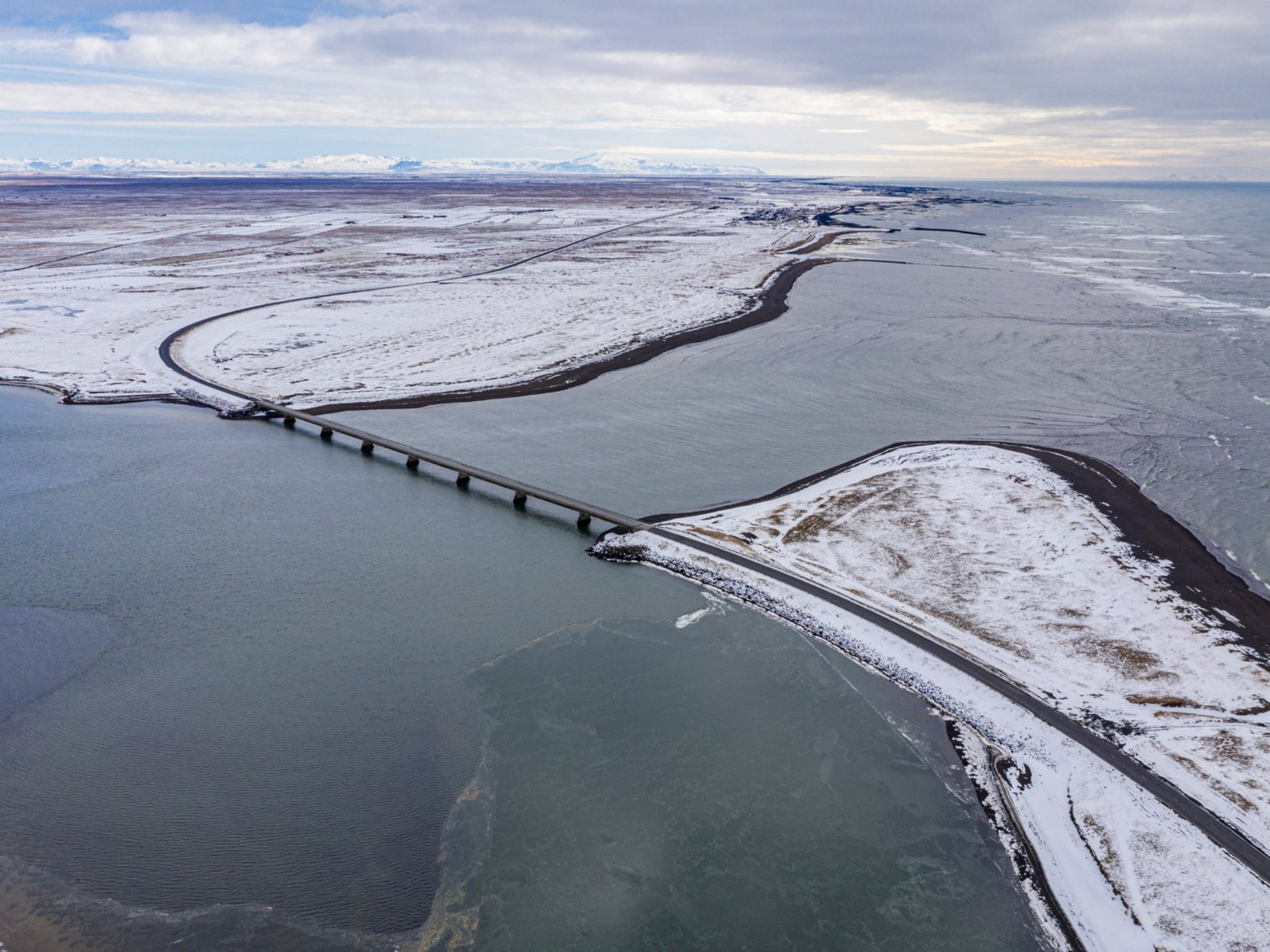
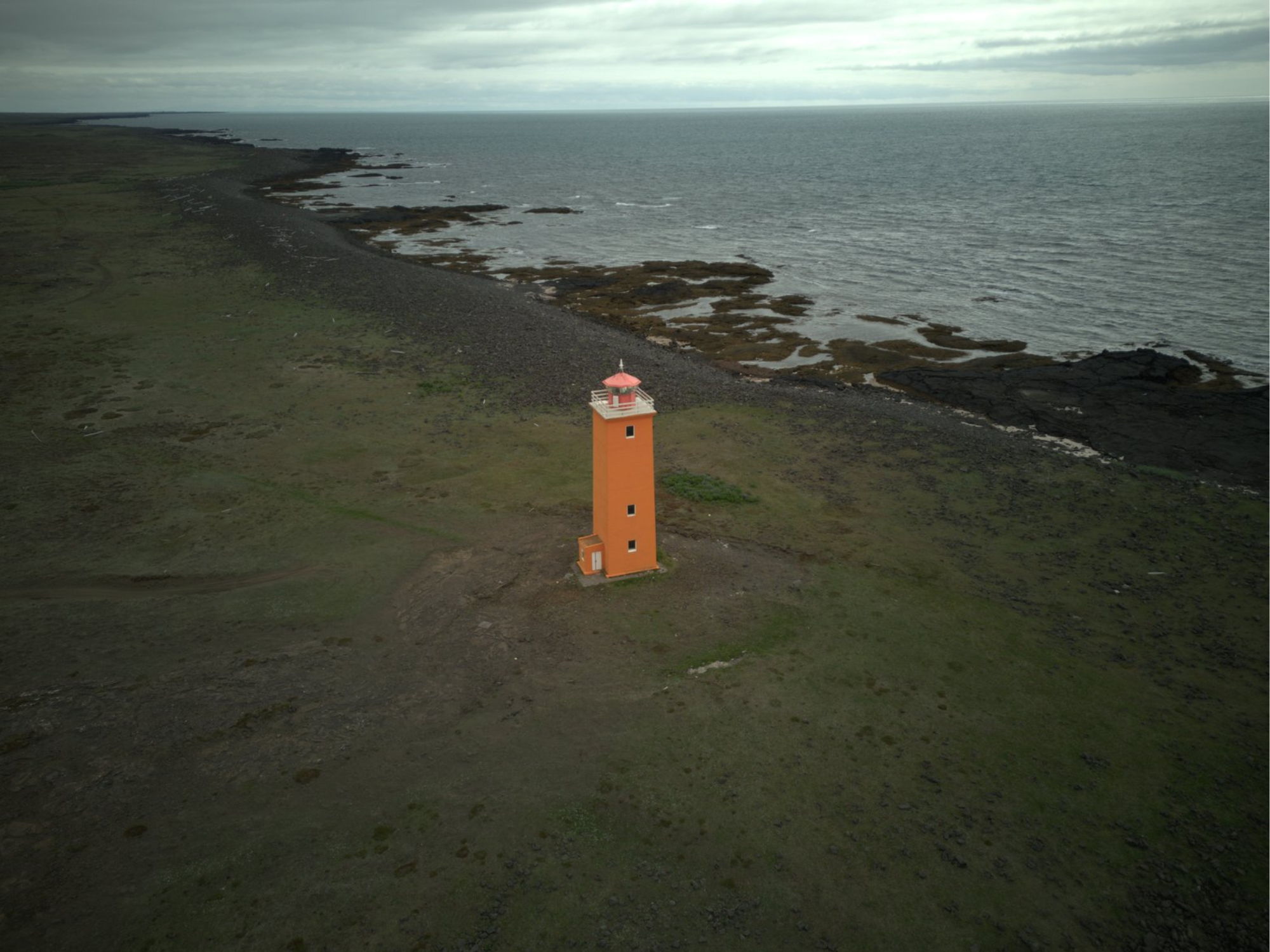
Not every road trip needs to be about the biggest names on the map. The South Coast Lighthouse Trail is a shorter coastal route that focuses on lighthouses, seaside views, and small town charm, and it is ideal if you want a calmer day with local flavour. It also gives you a great reason to explore places that many travellers skip, and that is often where the most memorable travel moments hide.
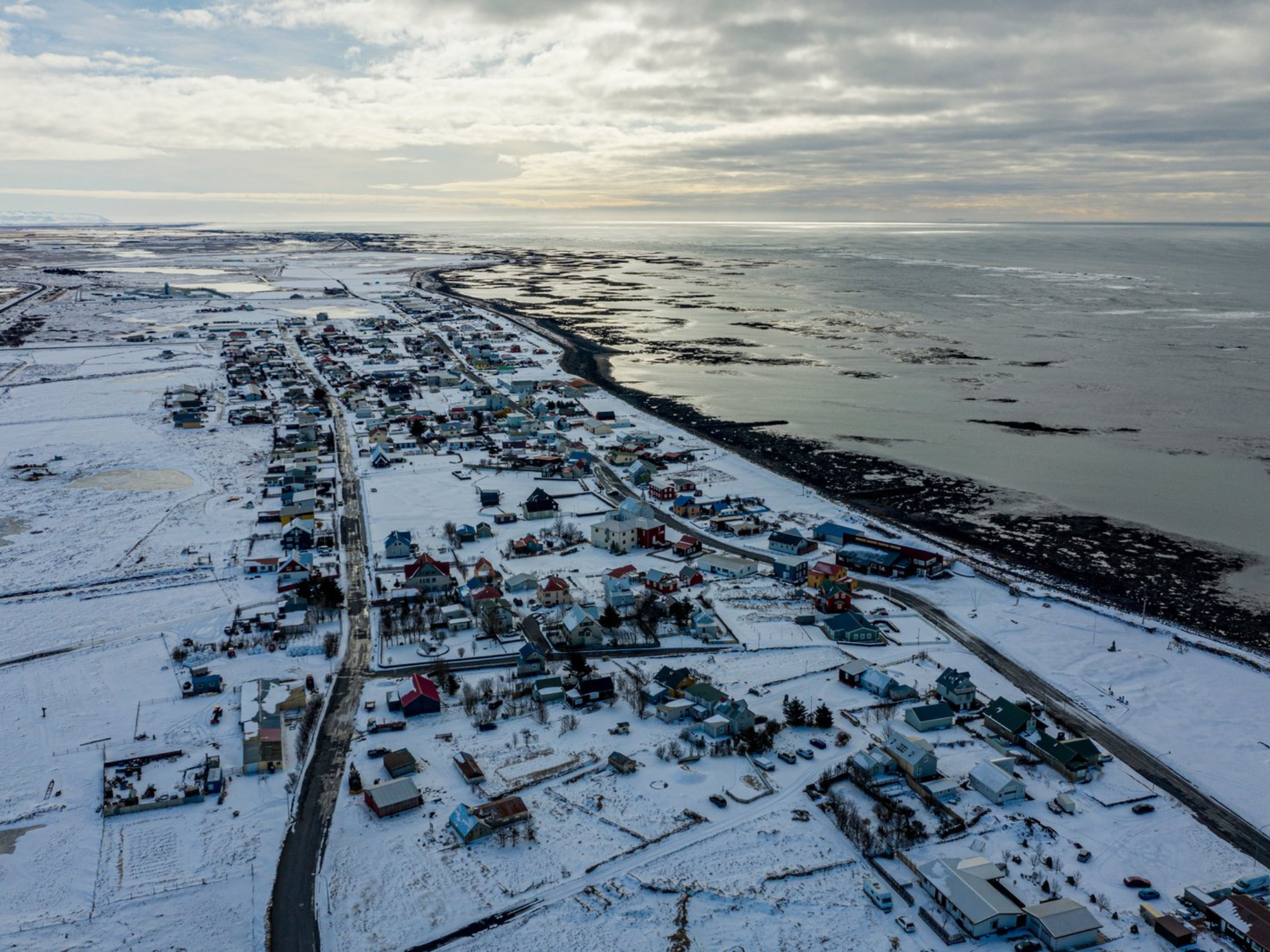
This route pairs beautifully with stops in in the costal villages Þorlákshöfn, Eyrarbakki, and Stokkseyri. Expect harbour views, easy coastal walks, and a pace that encourages you to actually sit down for lunch rather than eating in the car. It is also a perfect route for local experiences. Stop for a swim in a town pool, try a local restaurant, and browse small museums and workshops that reflect the character of the communities.
Because the driving distance is short, you can do this as a half day, but it shines as a relaxed full day if you build in time for museums, food stops, and a warm soak. It is a reminder that South Iceland is not only about famous waterfalls. It is also about everyday life near the ocean, and the joy of discovering places that feel personal and unhurried.
A final note on planning and winter magic
No matter which route you choose, building in flexibility makes everything better in Iceland. Weather can change quickly, and the best moments often come from giving yourself time to stop when you see something unexpected. In winter, consider planning your evenings with northern lights in mind. Choose accommodation with darker surroundings when possible, check the sky before you go to bed, and be ready to step outside when the clouds break.
Whether you go for the classic Golden Circle, the epic South Coast, the story rich Volcanic Way, or the slow and local Lighthouse Trail, South Iceland rewards travellers who take their time. Pick the route that matches your mood, then leave space in the day for the moments you did not plan.