
Making the Most of a Rainy Day in South Iceland

One of the best ways to connect with Icelandic culture is through food. On a rainy day, there’s no need to rush — instead, it’s the perfect time to slow down, sit longer, and savor what local restaurants and cafés have to offer. Many of South Iceland's small, family-run places reflect the traditions and stories of the communities they belong to, whether it’s a fresh catch of the day, lamb from nearby farms, or pastries baked from old recipes. Each town and village has its own gems, and taking the time to linger over lunch or dinner gives you a deeper sense of place. For inspiration and to find restaurants near you, explore the South Iceland food map.
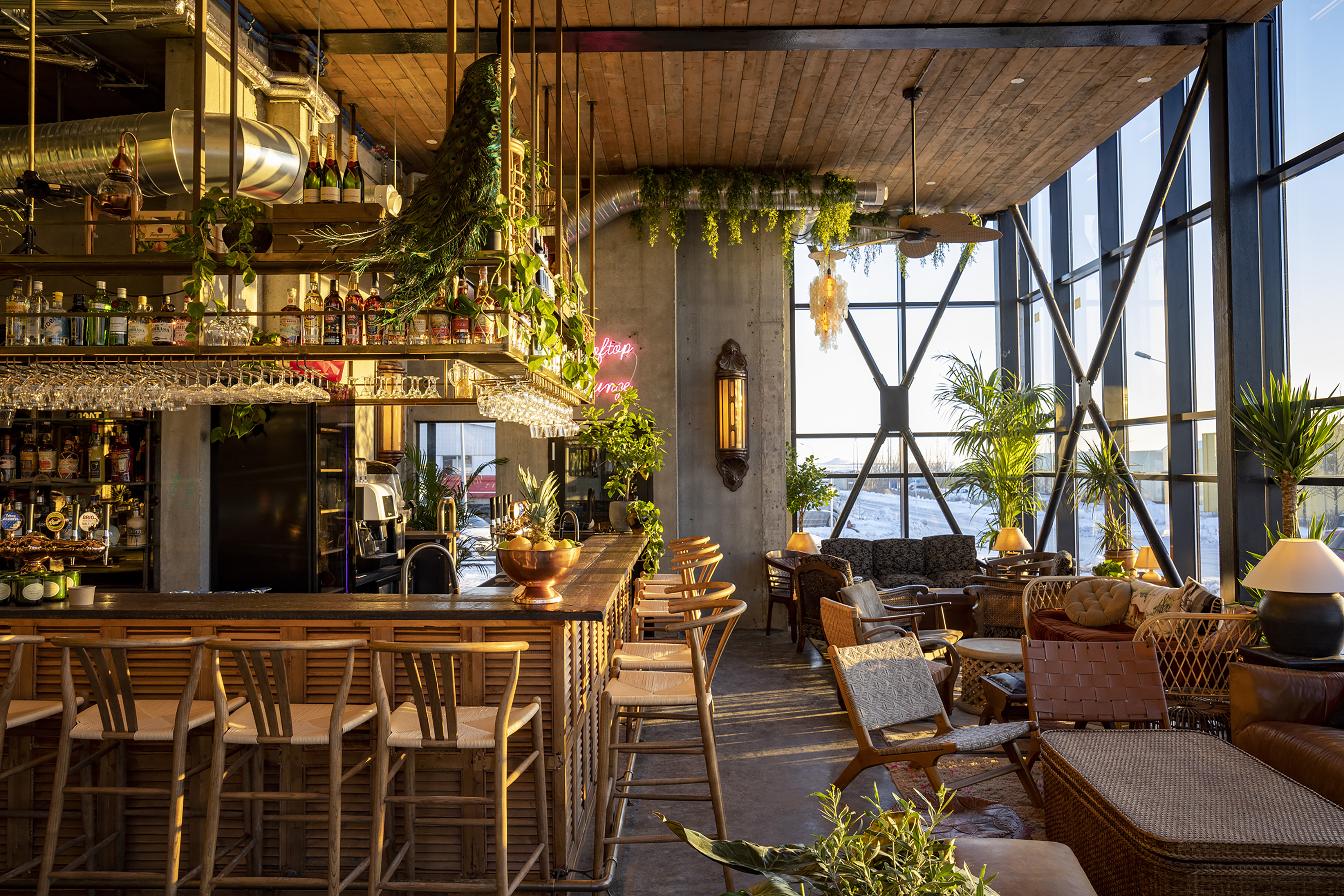
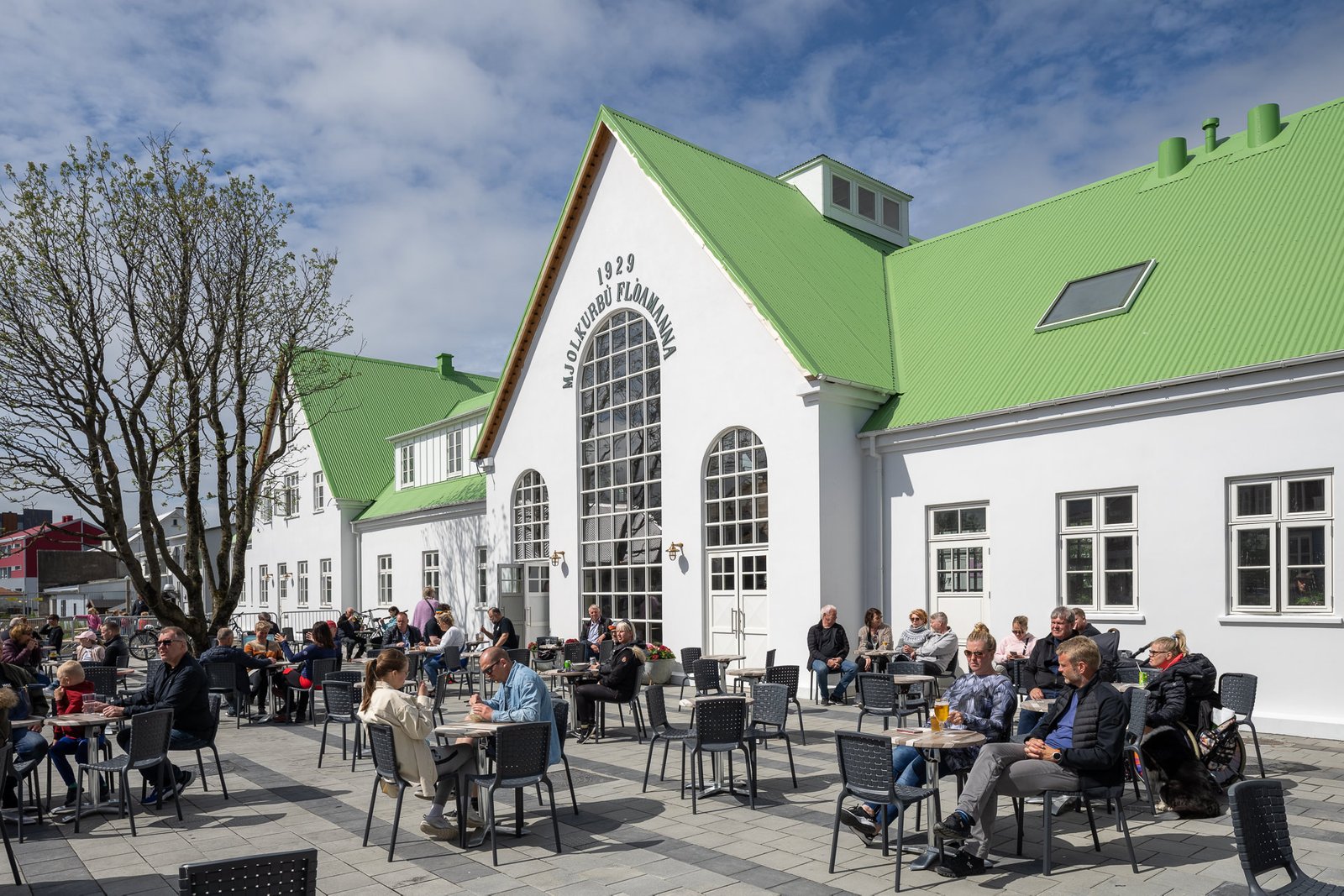
Of course, South Iceland also has lively food halls where you can sample a variety of flavors under one roof:
-
Gróðurhúsið in Hveragerði, combining diverse food options with a cozy atmosphere and even a designer store worth browsing.
-
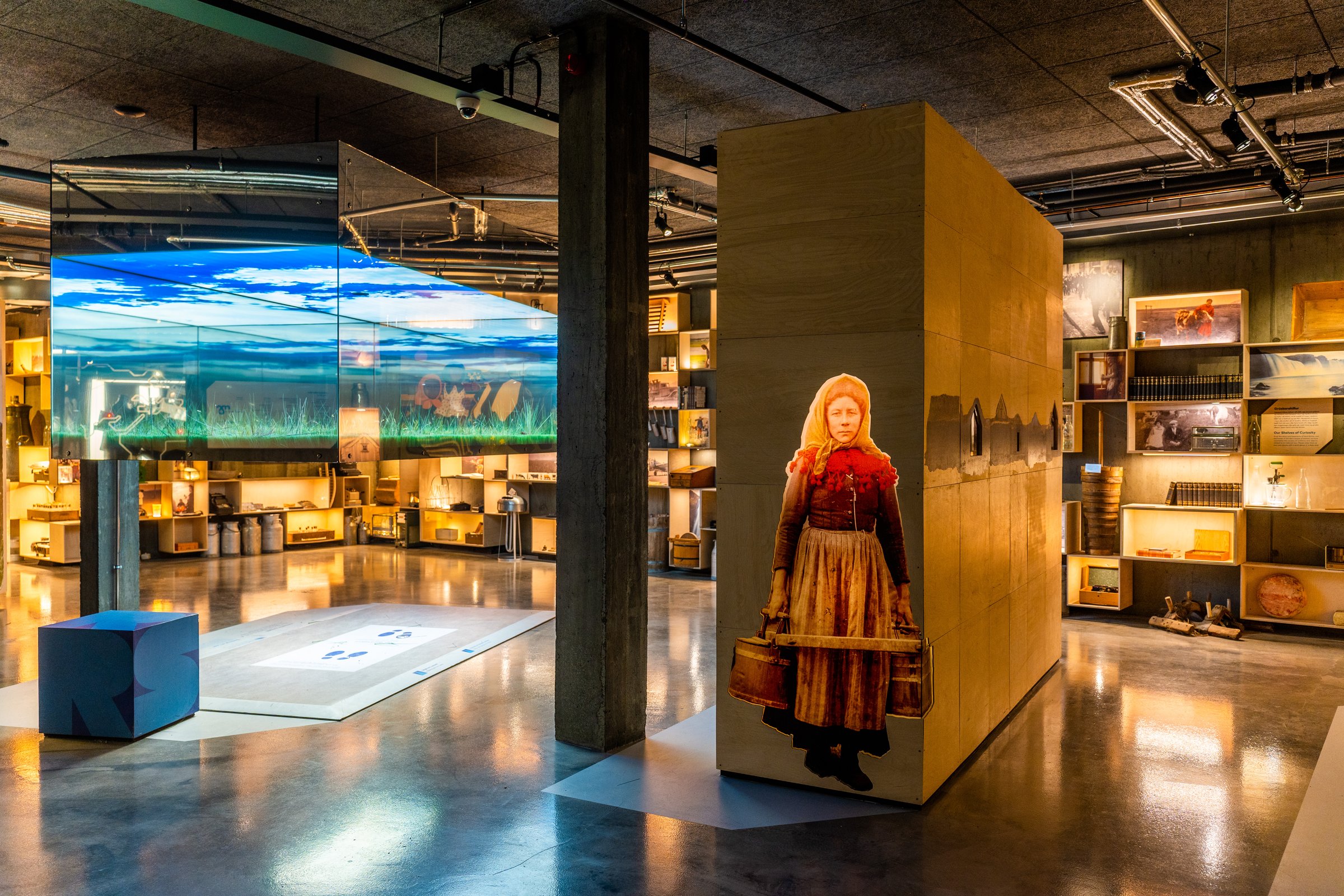
Mjólkurbúið Food Hall in Selfoss, which also houses Skyrland, an interactive exhibition about Iceland’s iconic superfood, skyr.
Dive into Museums and Exhibitions
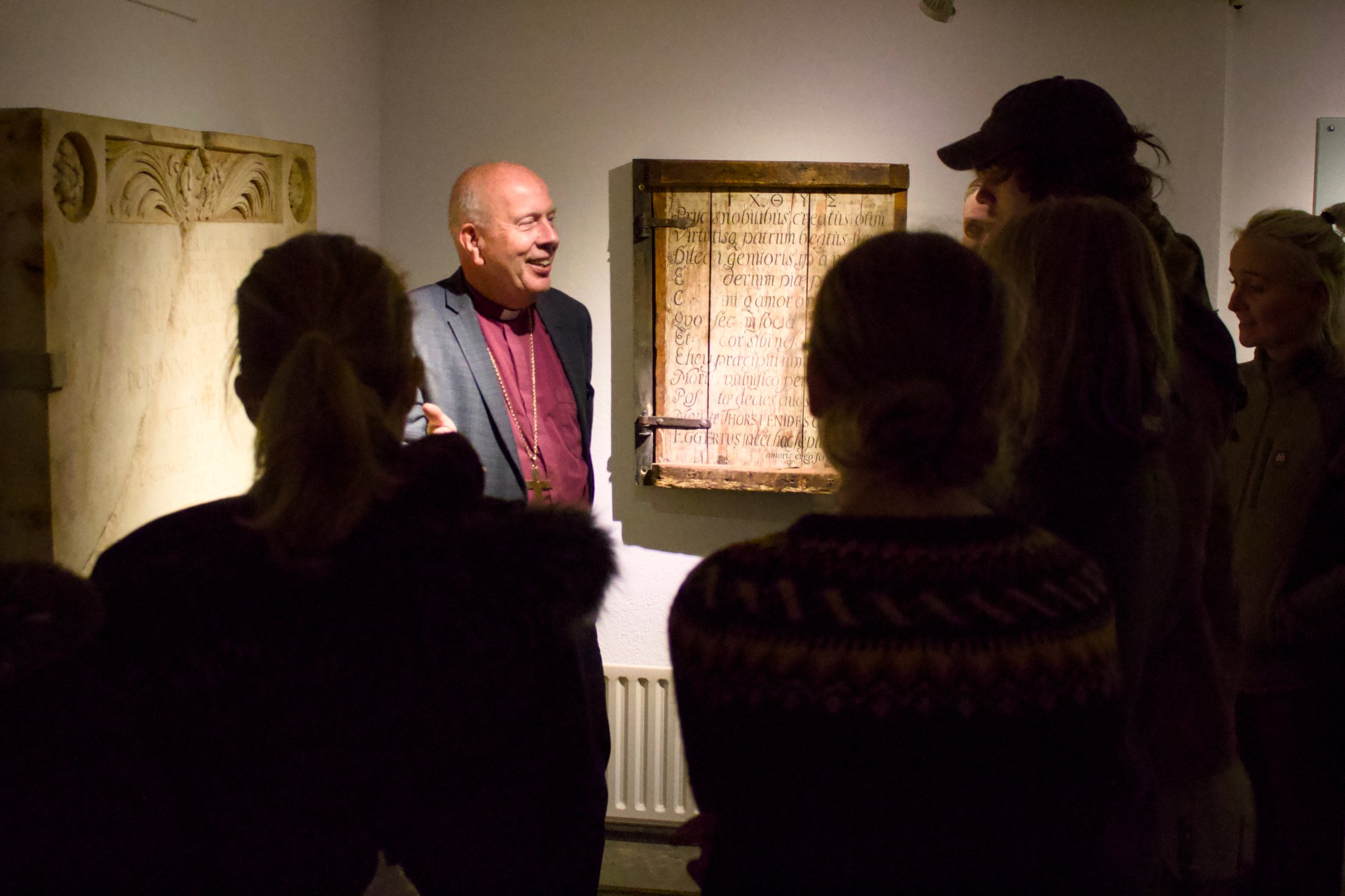
South Iceland is a hub for history, culture, and art. Rainy days create the perfect opportunity to step inside and immerse yourself in stories about Iceland’s people, nature, and creativity.
Some of the most popular cultural stops include:
-
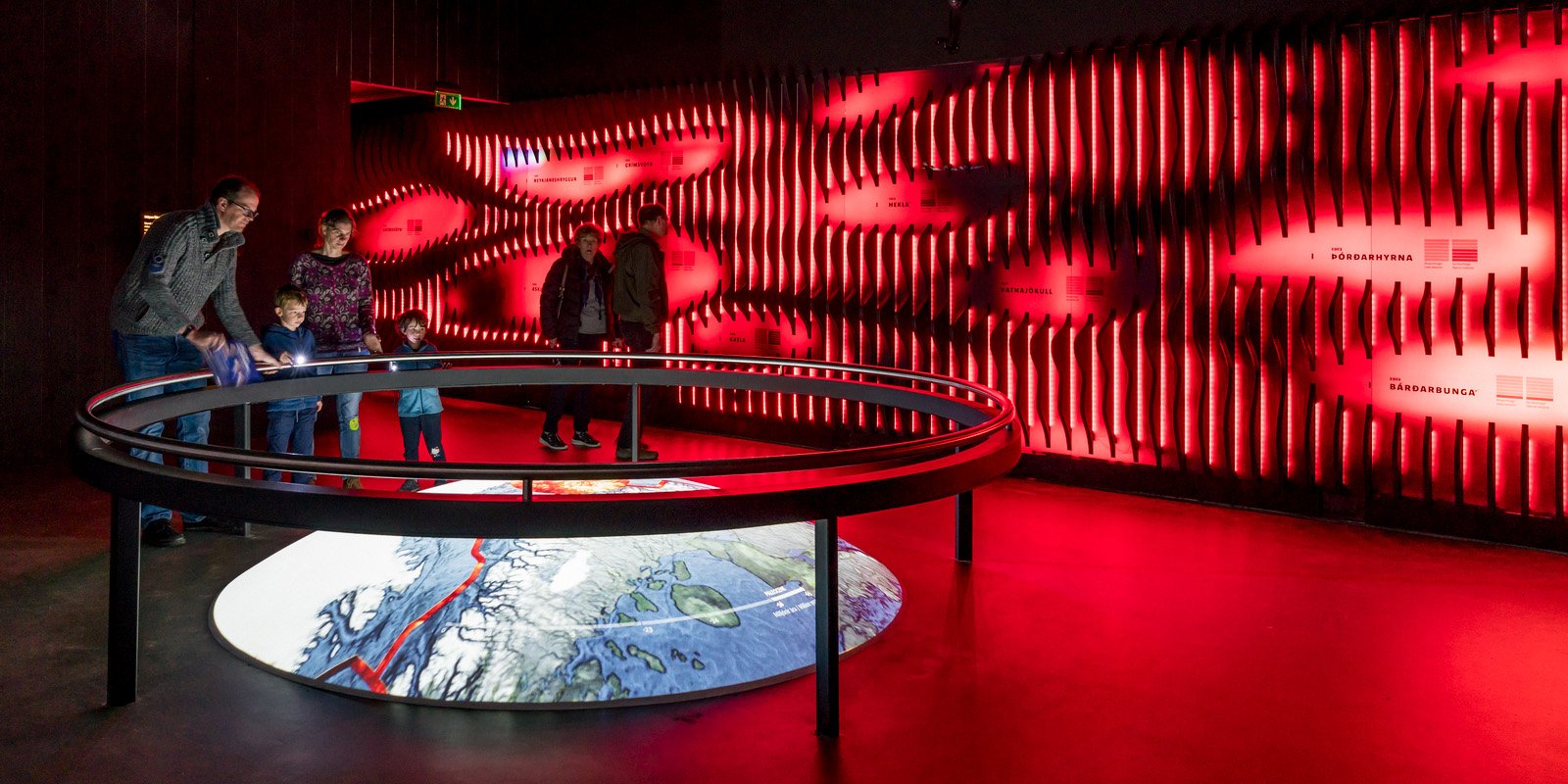
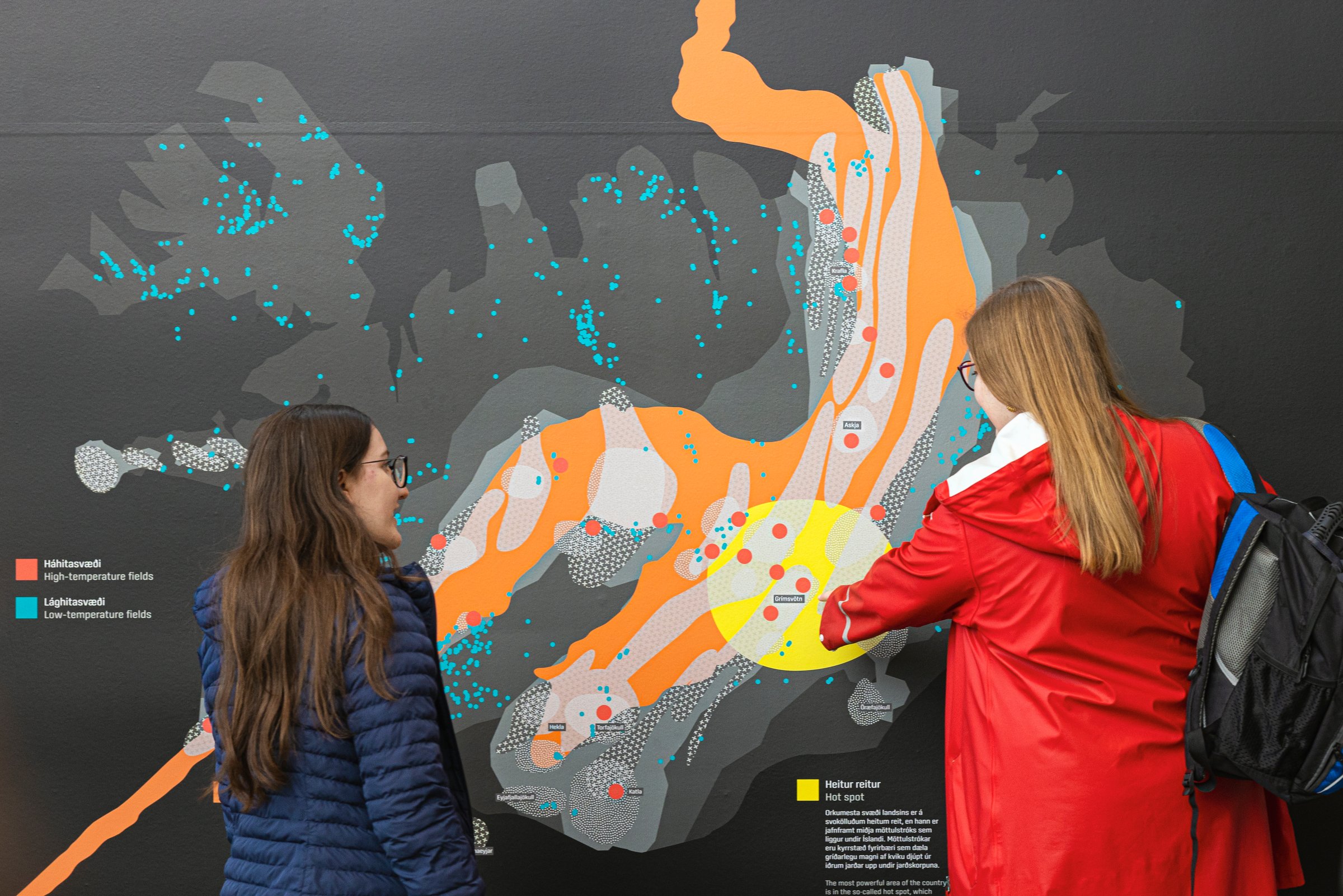
The Lava Centre in Hvolsvöllur – an award-winning interactive exhibition on Iceland’s volcanoes and earthquakes.
-
The Lava Show in Vík – the world’s only live lava show, where you can safely see molten lava flowing indoors.
-
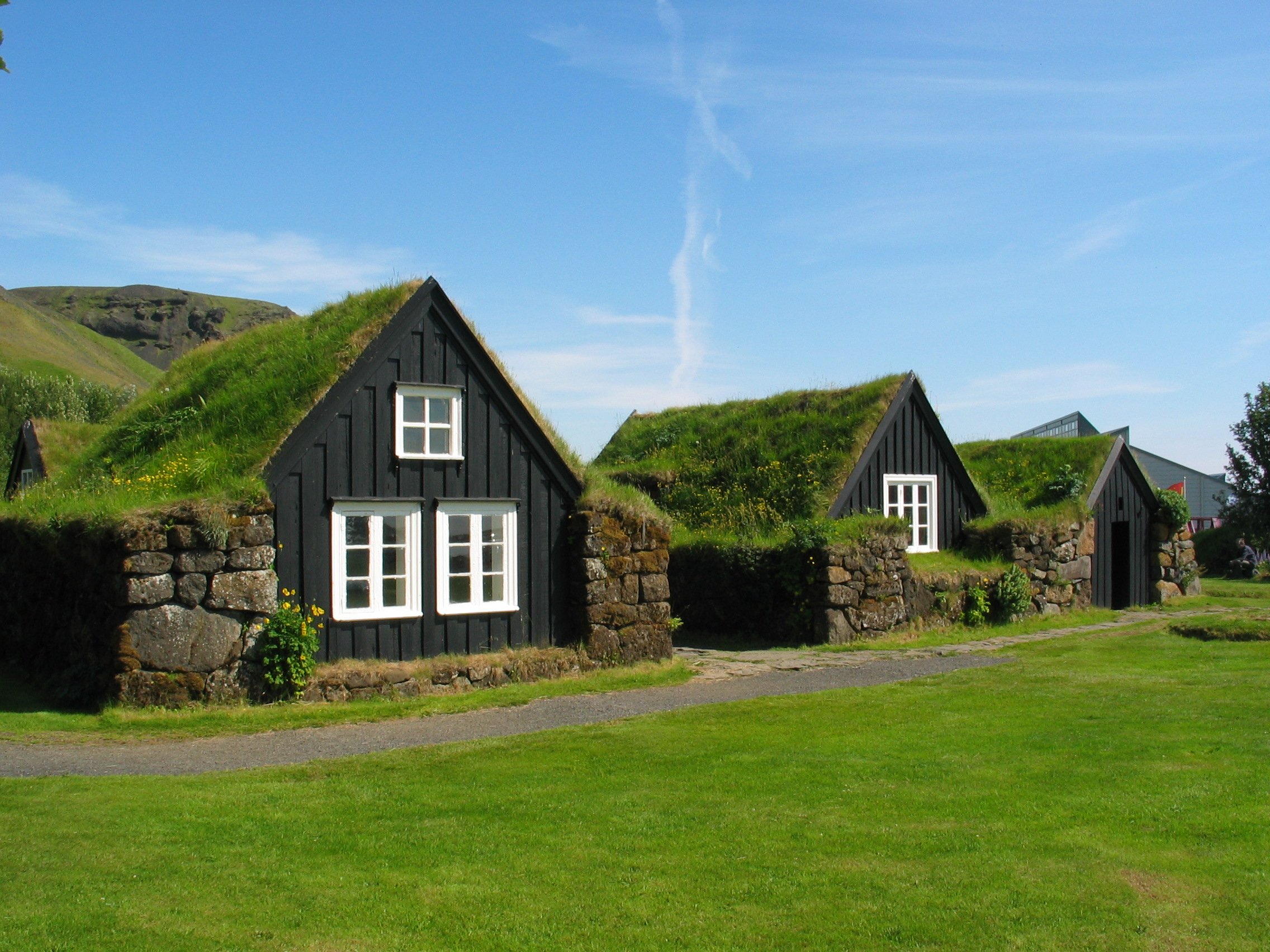
Skógasafn (Skógar Museum) – one of Iceland’s most important heritage museums, showcasing centuries of rural life.
-
Listasafn Árnesinga (Árnesinga Art Museum) in Hveragerði – a cultural gem where contemporary Icelandic art meets stunning exhibitions.
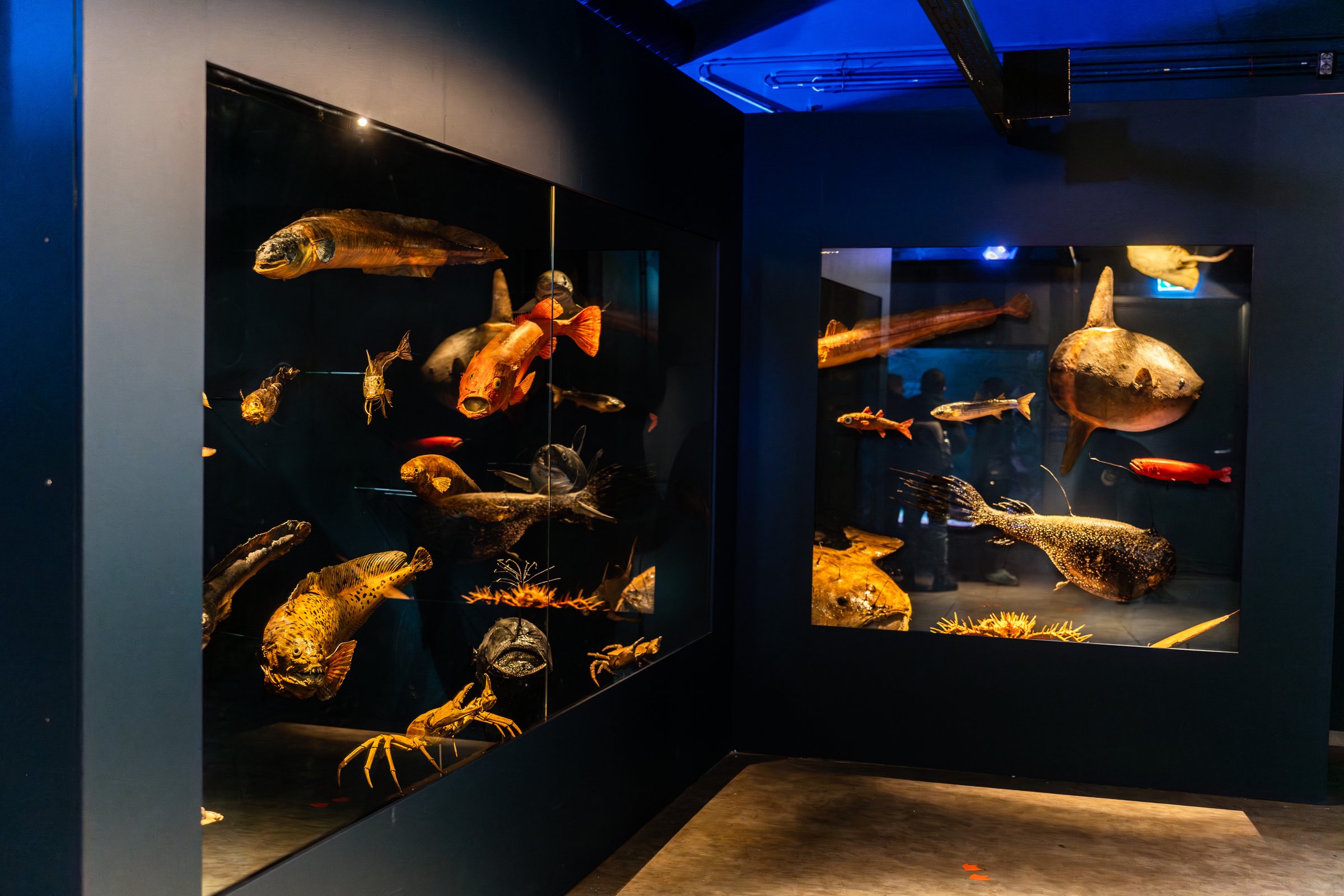
- The Beluga Whale Sanctuary in the Westman Islands - a Sanctuary that was created with the aim of providing beluga whales with a safe and more natural home. The show exhibits two Beluga whales called Little White and Little Grey.
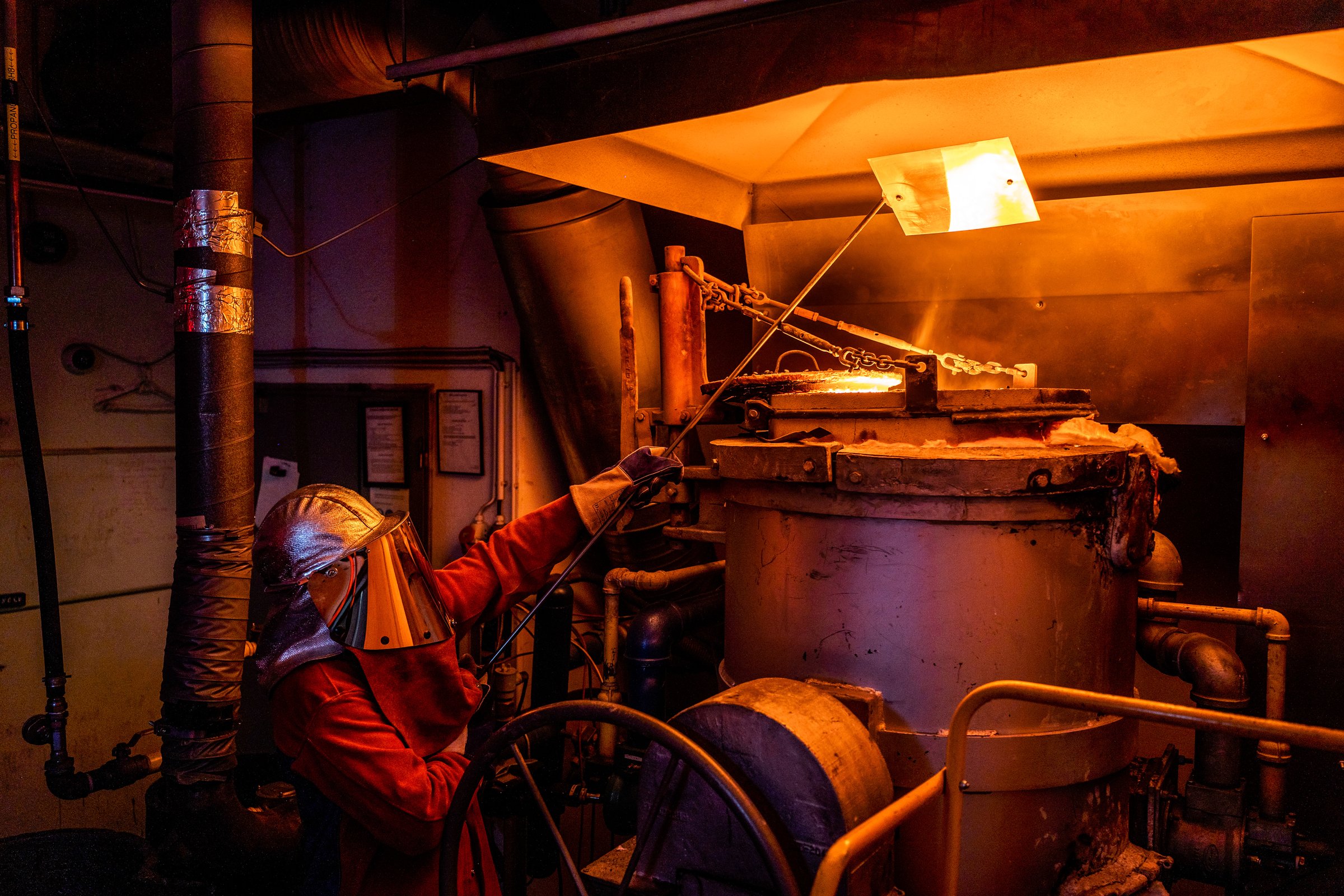
- The Geothermal Exhibition at Hellisheiði - ON Power’s Hellisheiði Power Plant offers a fascinating insight into Iceland’s green, sustainable energy. Located in the beautiful Hengill area.
- Skyrland, Skyr Exhibition at Selfoss center - Skyrland takes you to the heart of Icelandic history, culture and nature, and tells you what lies behind every spoonful of skyr, Iceland’s unique superfood.
- The commonwealth farm at Þjórsárdalur walley - Takes you back thousand years and lets you experience an ancient and exotic way of life.
- The caves of Hella at Hella - The historical site is Iceland's oldest still standing archaeological remains.
- The Lava Tunnel (Raufarhólshellir) at Ölfus - A great opportunity to witness the inner workings of a volcanic eruption as one walks in the path of lava that flowed during an eruption that occurred about 5200 years ago.
- Skálholt Cathedral - A guided tour at Skálholt which is one of Iceland's most historical place as it was the scene of the most dramatic events which shaped the political, spiritual, and cultural life in Iceland.
-
Local cultural centres and visitor centres that bring you closer to regional traditions and community life.
Want to see what’s close to you? The South Iceland culture & heritage map is a great tool to plan your route.
Relax and Recharge in Warm Waters
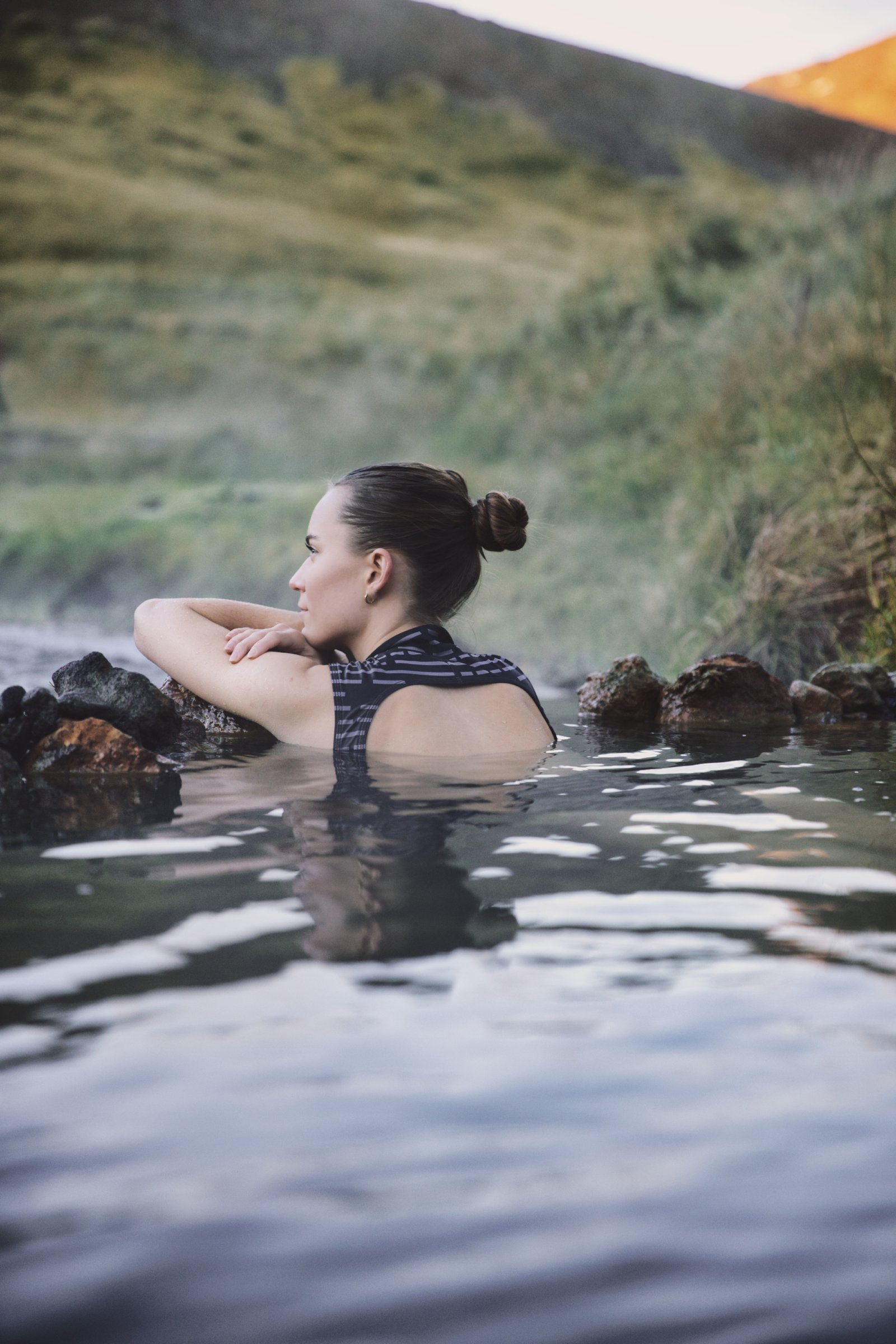
If there’s one thing Icelanders do best on a cold, grey day, it’s heading to the pool. Almost every town and village has its own swimming pool, many with indoor facilities, children’s areas, hot tubs, saunas, and steam rooms.
For something more indulgent, South Iceland also offers geothermal baths and wellness spas, where you can soak for hours, unwind, and simply enjoy the contrasts of warm water and cool air.
Nothing beats the feeling of sitting in a hot tub with rain falling around you while mountain views fade in and out of the mist. For a complete overview of pools, spas, and geothermal experiences, check out the South Iceland bathing & wellness map.
Take Time to Shop and Explore Local Design
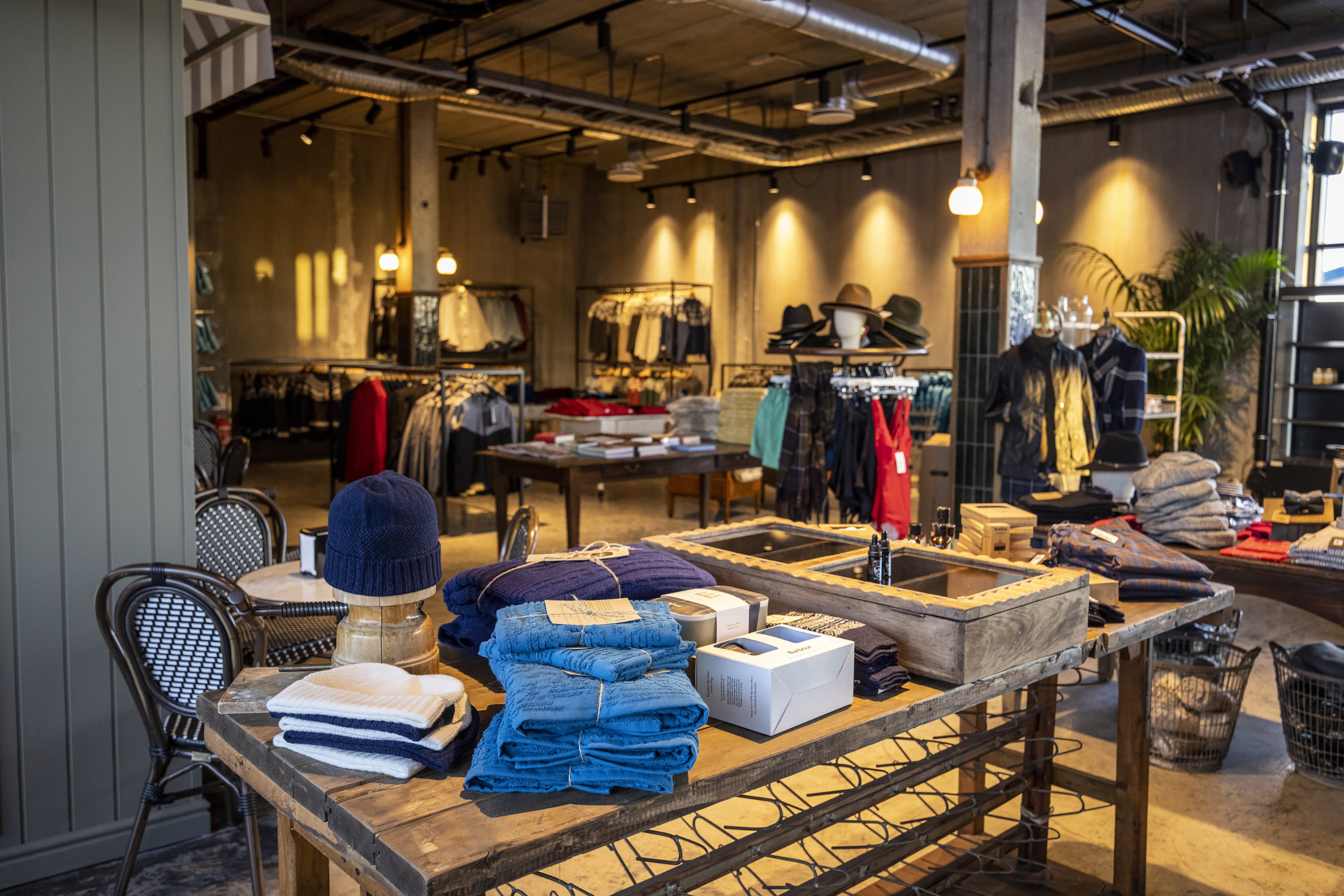
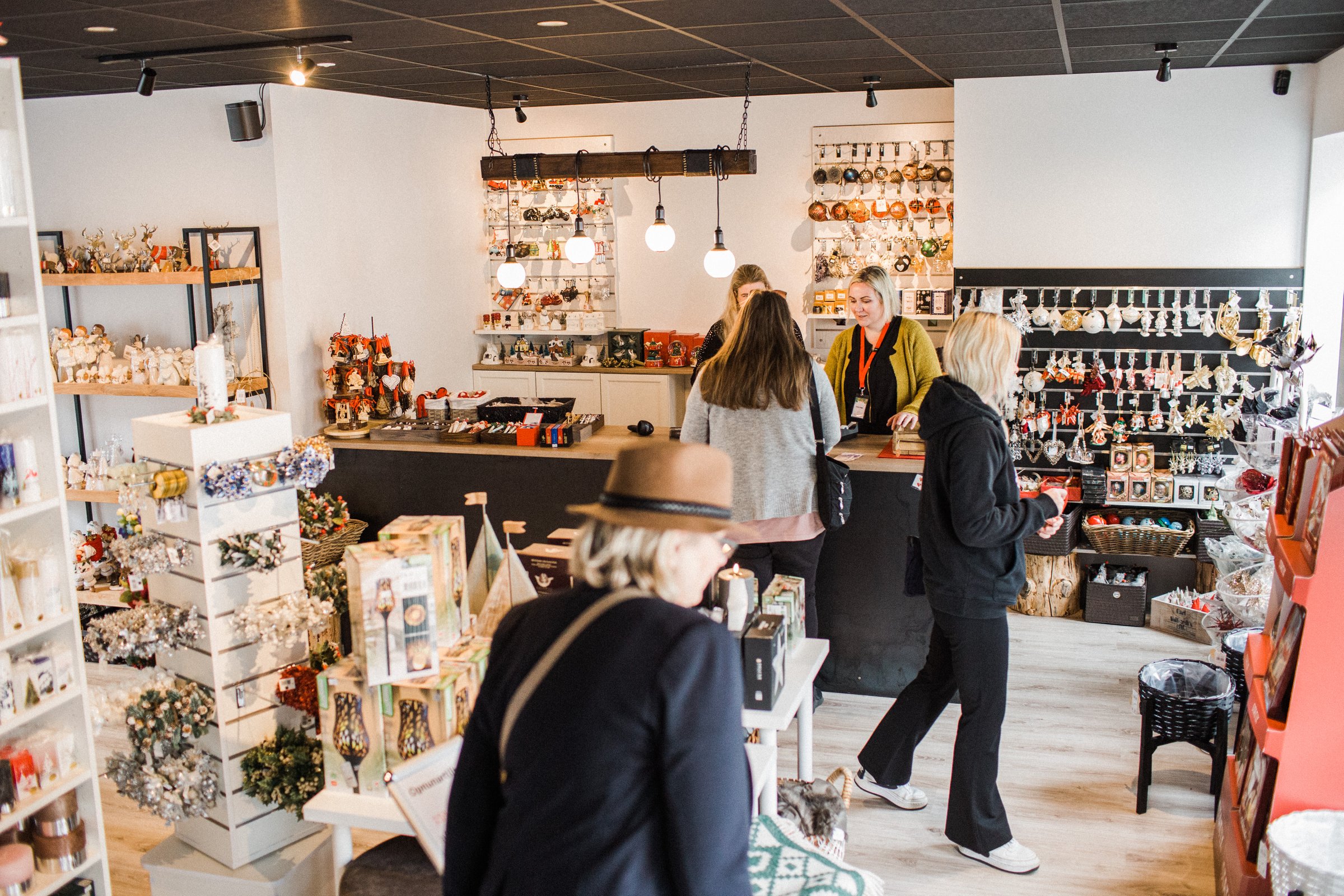
Rainy days are also perfect for shopping and browsing. South Iceland has several specialty stores and boutiques where you can discover Icelandic design, crafts, wool products, and locally made souvenirs.
-
At before mentioned Gróðurhúsið in Hveragerði, the food hall is paired with a designer store that features home décor, fashion, and creative gifts.
-
Visitor centres and cultural hubs across the region often have quality bookshops, craft displays, and Icelandic design products.
-
In Selfoss and Hella, you’ll find various shops that mix everyday Icelandic life with small surprises — from local ceramics to hand-knitted sweaters.
Shopping in south Iceland isn’t just about buying — it’s about connecting with local culture and supporting small businesses.
Why Rainy Days Are Part of the Adventure
The key to enjoying Iceland is embracing its weather. Rain and wind may alter your outdoor itinerary, but they also open doors to experiences you might otherwise miss. A rainy day in South Iceland can mean:
-
Diving deeper into Icelandic history at a museum.
-
Spending hours enjoying food you might have rushed through otherwise.
-
Soaking in geothermal pools like a local.
-
Browsing unique shops for gifts and crafts.
In other words: bad weather doesn’t mean a bad day — it simply means your adventure takes a different, and often more relaxing, path.