Wool Route for Knitters in South Iceland
Kotarjökull

Or try searching by Category and/or Location
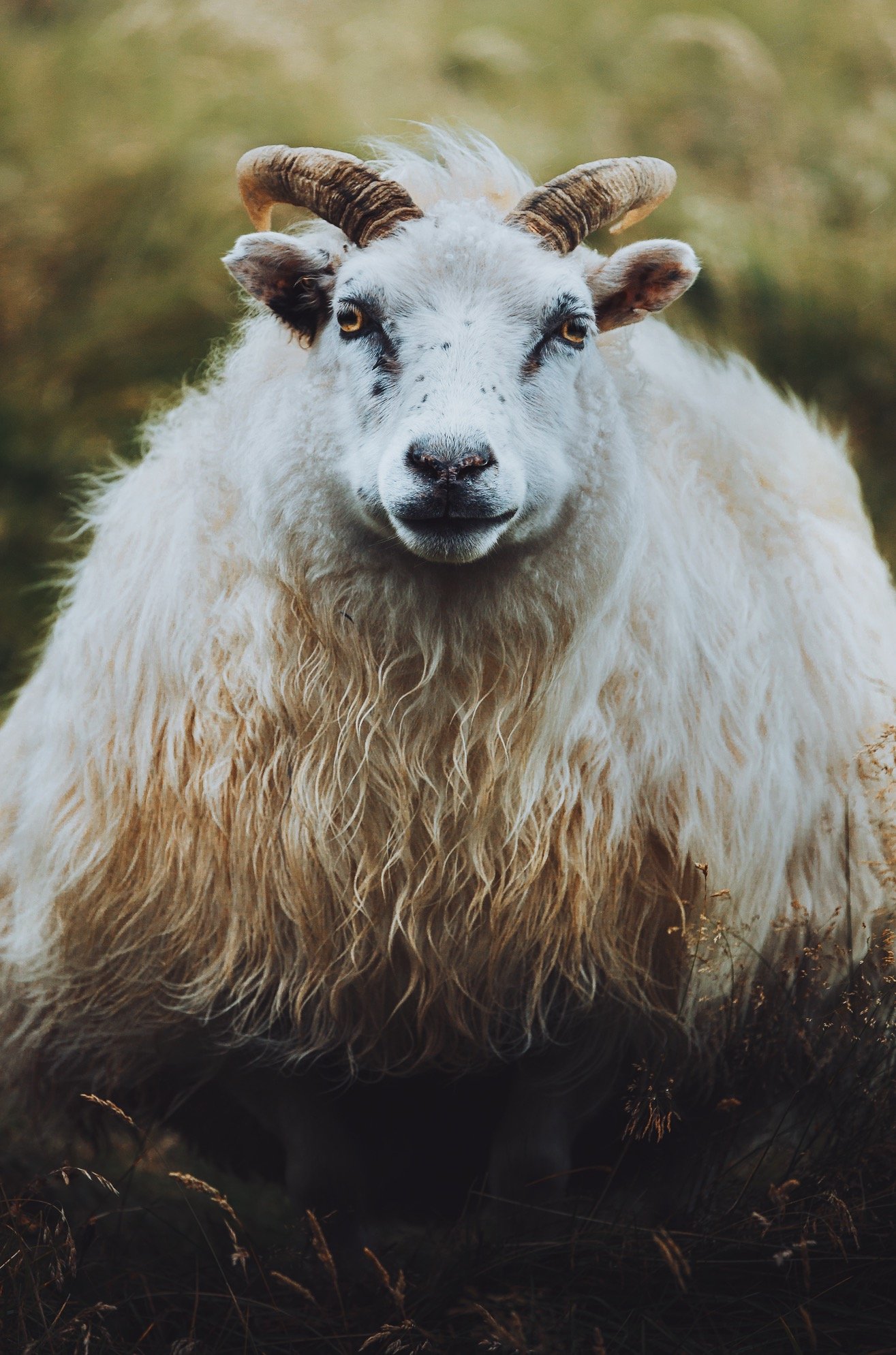
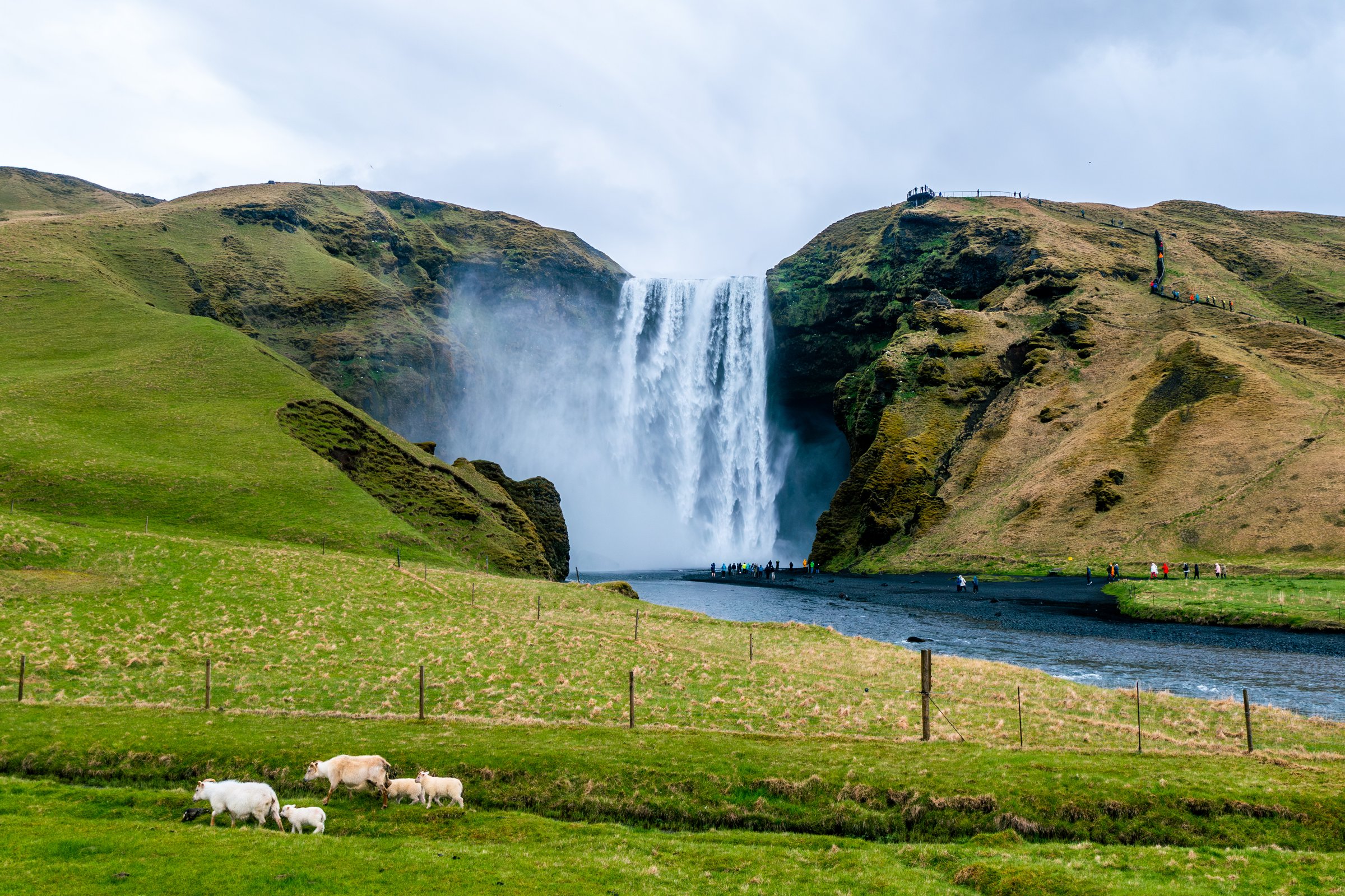
In South Iceland, the road from sheep to sweater is a short one. The sheep graze the mountains and valleys in summer and come home to the farms in autumn. Their fleece is washed, spun, dyed and knitted within the same region, often just a few kilometres from where it was sheared. Here you can see every step for yourself, and meet the people who make it happen.
For knitters, this closeness is part of the pleasure. Buy yarn in the place it was spun, watch colour come out of a dye pot, and hear the story behind a sweater from the person who knitted it.
You don't need a separate trip to follow the wool. These stops sit along routes many visitors already travel, so you can knit them into your plans with ease. Hespuhúsið and Handverksskúrinn are close to The Lighthouse Way. Flúðir is part of the Golden Circle area. Þingborg and Uppspuni lie on the way to The Volcanic Way and the South Coast. Dokk in Höfn also rounds off a journey along the South Coast.
Take a day for the western stops, or weave the route through a longer stay. Either way, you'll go home with yarn that has a story, and a good idea of where it came from.

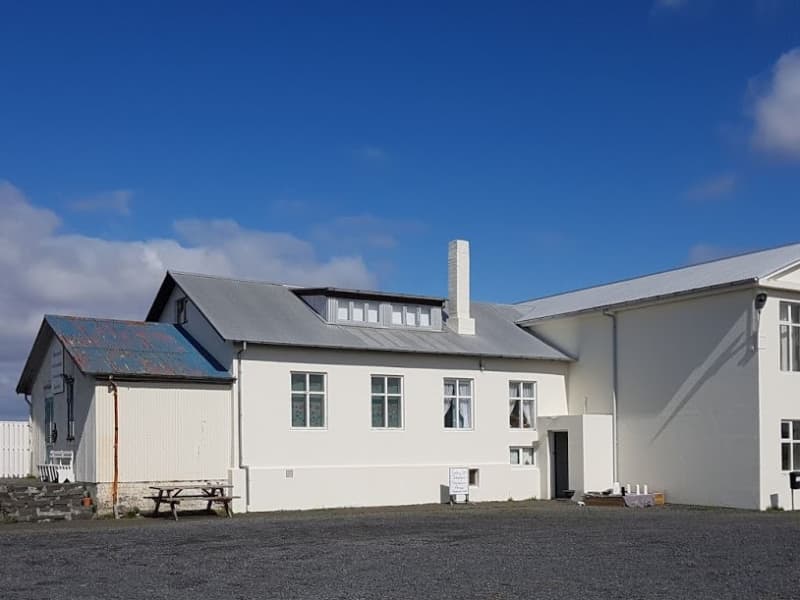
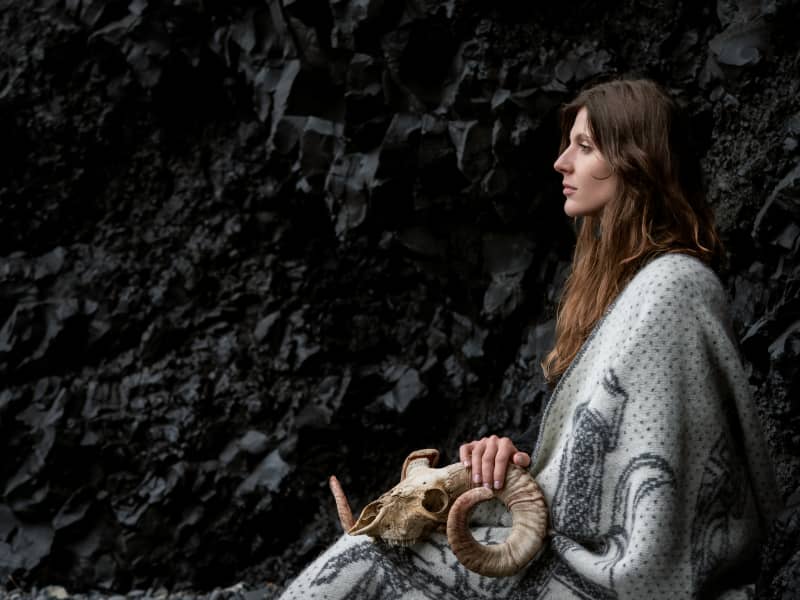
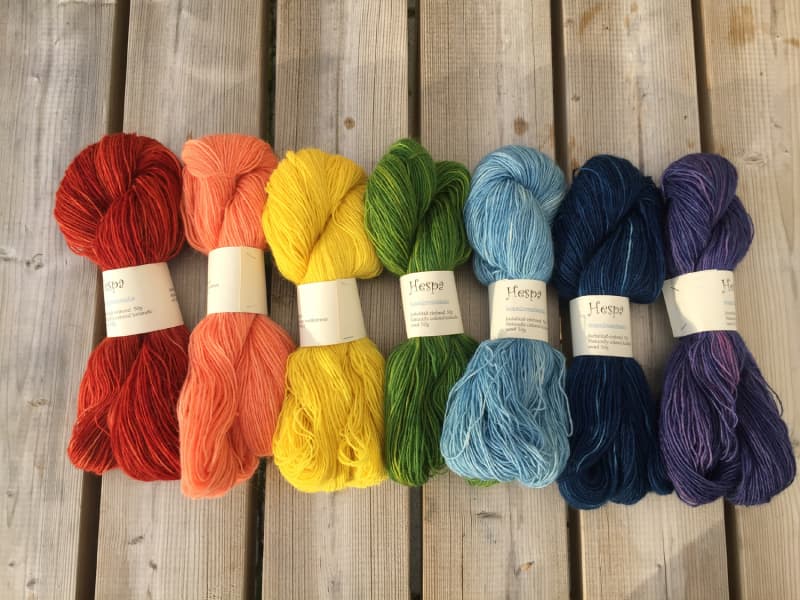
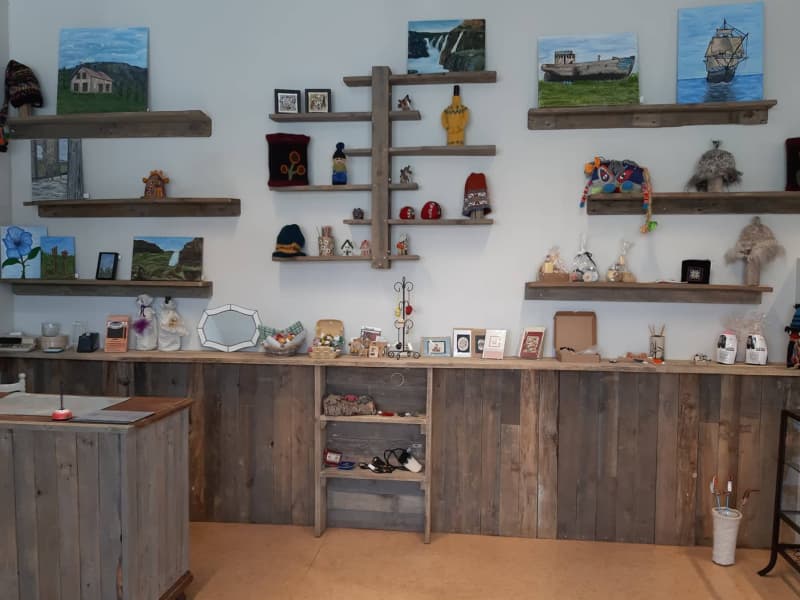
Wool shops and mills in South Iceland include Þingborg wool shop near Selfoss, the Hespuhúsið plant dye studio in Ölfus, Uppspuni Mini Mill near Hella and Víkurprjón in Vík. All of them sell Icelandic yarn, and several also sell hand-knitted sweaters.
Most hand-knitted Icelandic sweaters carry a label with the name of the person who knitted them, so check the label for the knitter's name, Icelandic wool and "hand-knitted in Iceland". A traditional lopapeysa is knitted in the round, so it has no side seams. Local wool shops such as Þingborg sell sweaters knitted by people from the area.
Lopi has a rustic feel because it contains tog, the coarser outer hair of the fleece. Many people wear a thin layer underneath. Yarns made with more þel, the soft inner fibre, feel gentler against the skin.
Lopi is Icelandic wool yarn that is unspun or only lightly twisted. Because it holds more air, it is light and very warm, which is why it is the classic yarn for the Icelandic sweater, the lopapeysa.
Yes. Uppspuni Mini Mill near Hella is a family-run mill that turns fleece from Icelandic sheep into yarn. Visitors can watch the machines from the entrance, and guided tours are available when booked in advance. In Vík, you can also see knitting machines at work at Víkurprjón.