
From turf walls to modern retreats inspired by the past

Built from the land
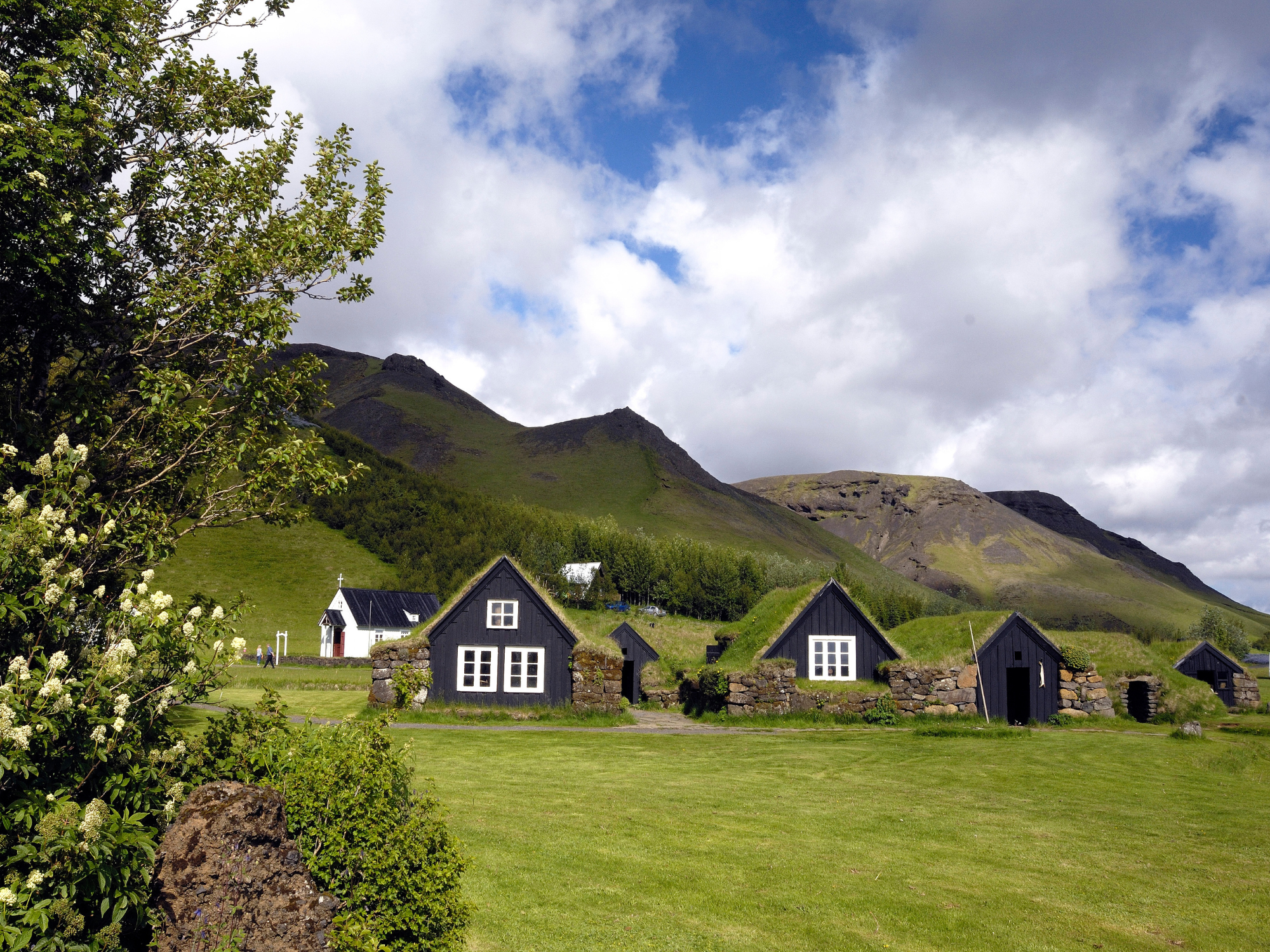
For much of Iceland’s history, turf houses were the country’s main form of dwelling. Built with timber frames and insulated with turf, stone, and earth, they were a smart response to harsh weather and limited access to wood. These homes blended into the landscape and offered warmth in a place where building materials were scarce. Visitors can still get a sense of this way of life at the Commonwealth Farm in Þjórsárdalur, where a reconstructed turf farm offers a vivid impression of how Icelanders once lived.
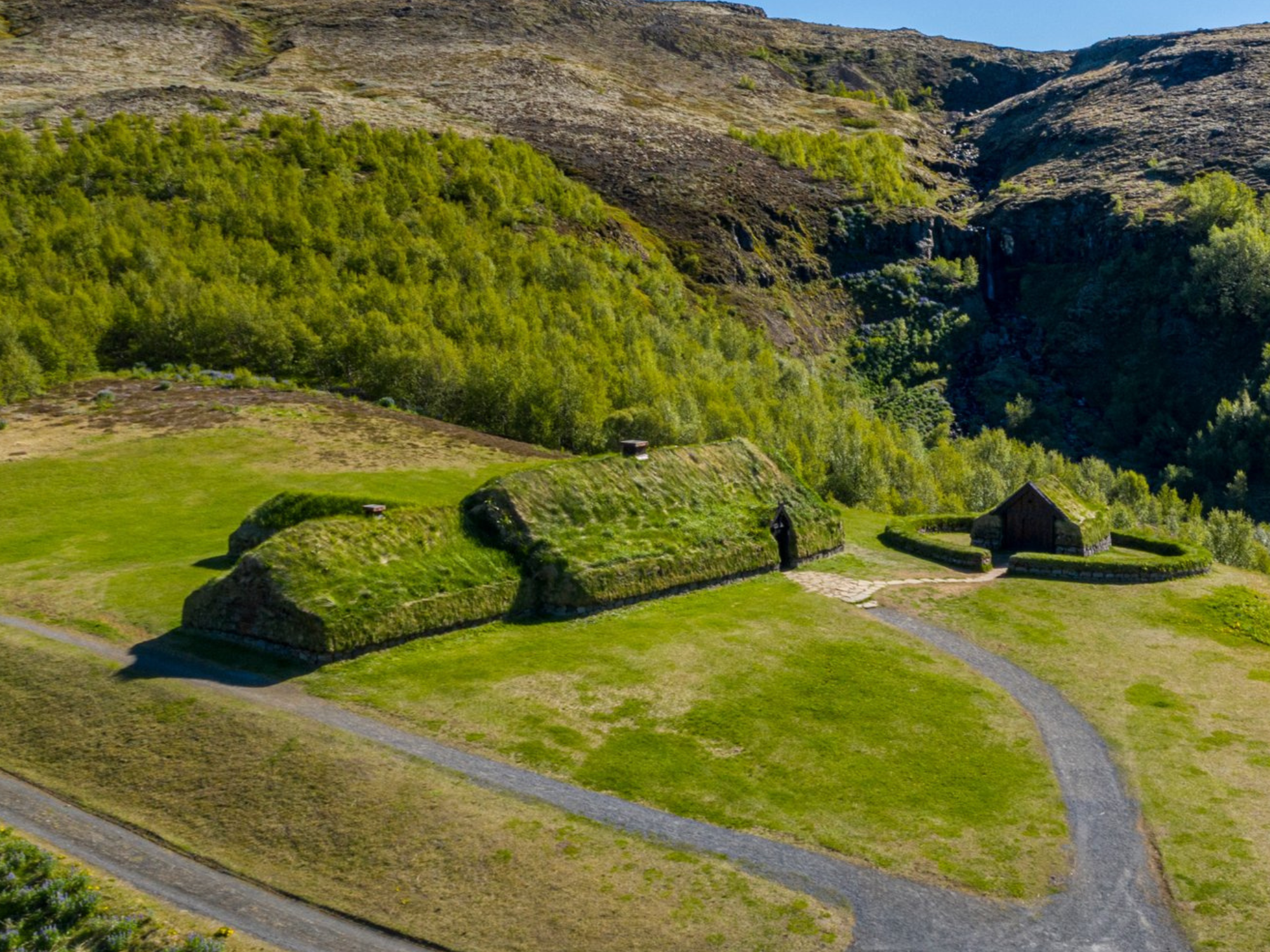
Over time, Icelandic architecture began to change. Timber houses became more common, especially in trading centres and coastal settlements, followed later by stone and concrete buildings. Foreign influences arrived, but they were adapted to Icelandic conditions rather than copied directly. The result was an architectural tradition that kept evolving while still reflecting local needs, local craftsmanship, and the realities of life on this island.
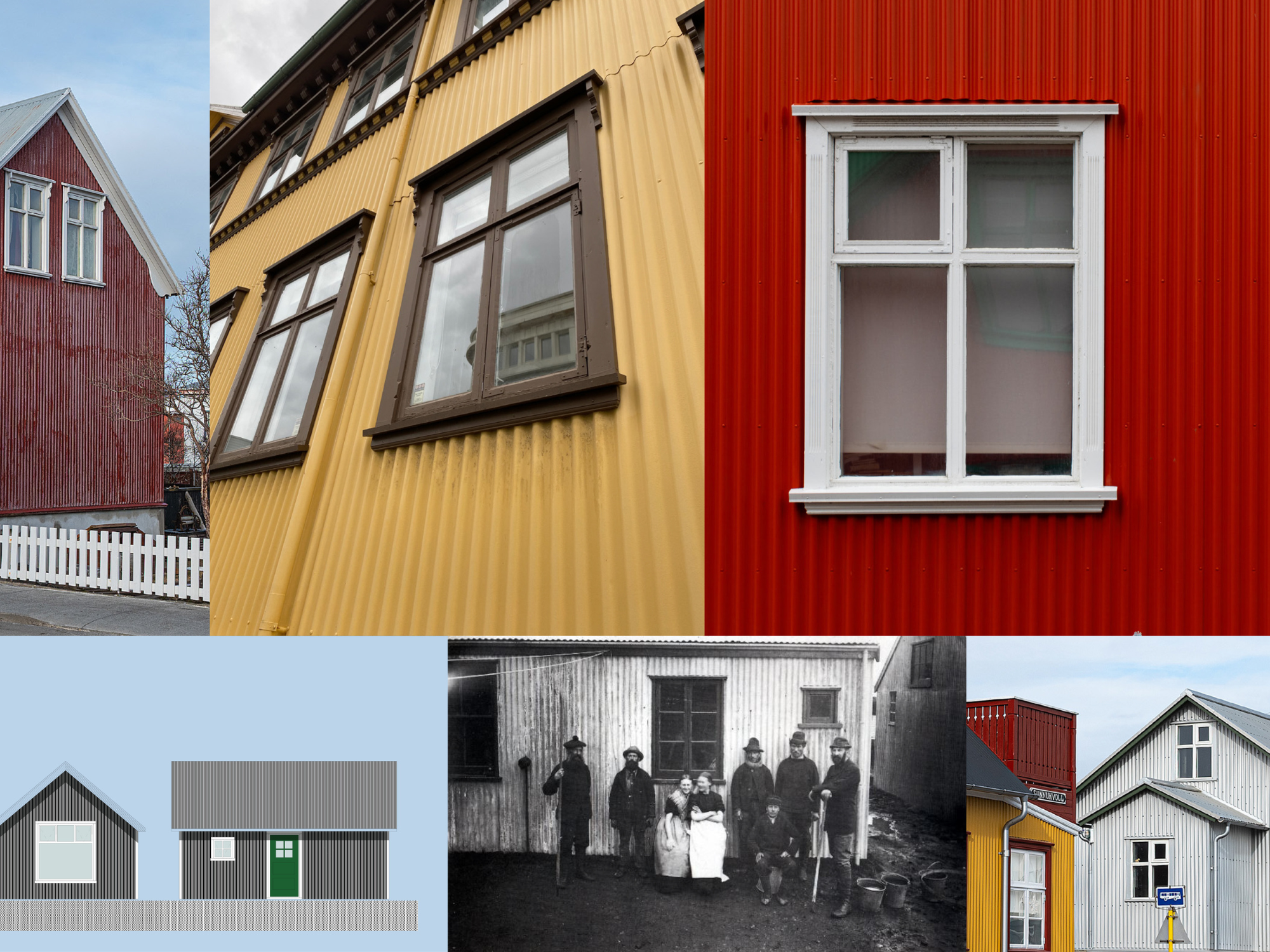
Old forms, new appeal
One of the most interesting things for travellers today is that traditional Icelandic building styles are finding new life in modern design. Across South Iceland, several places draw inspiration from older architecture and reinterpret it in a way that feels both authentic and comfortable.
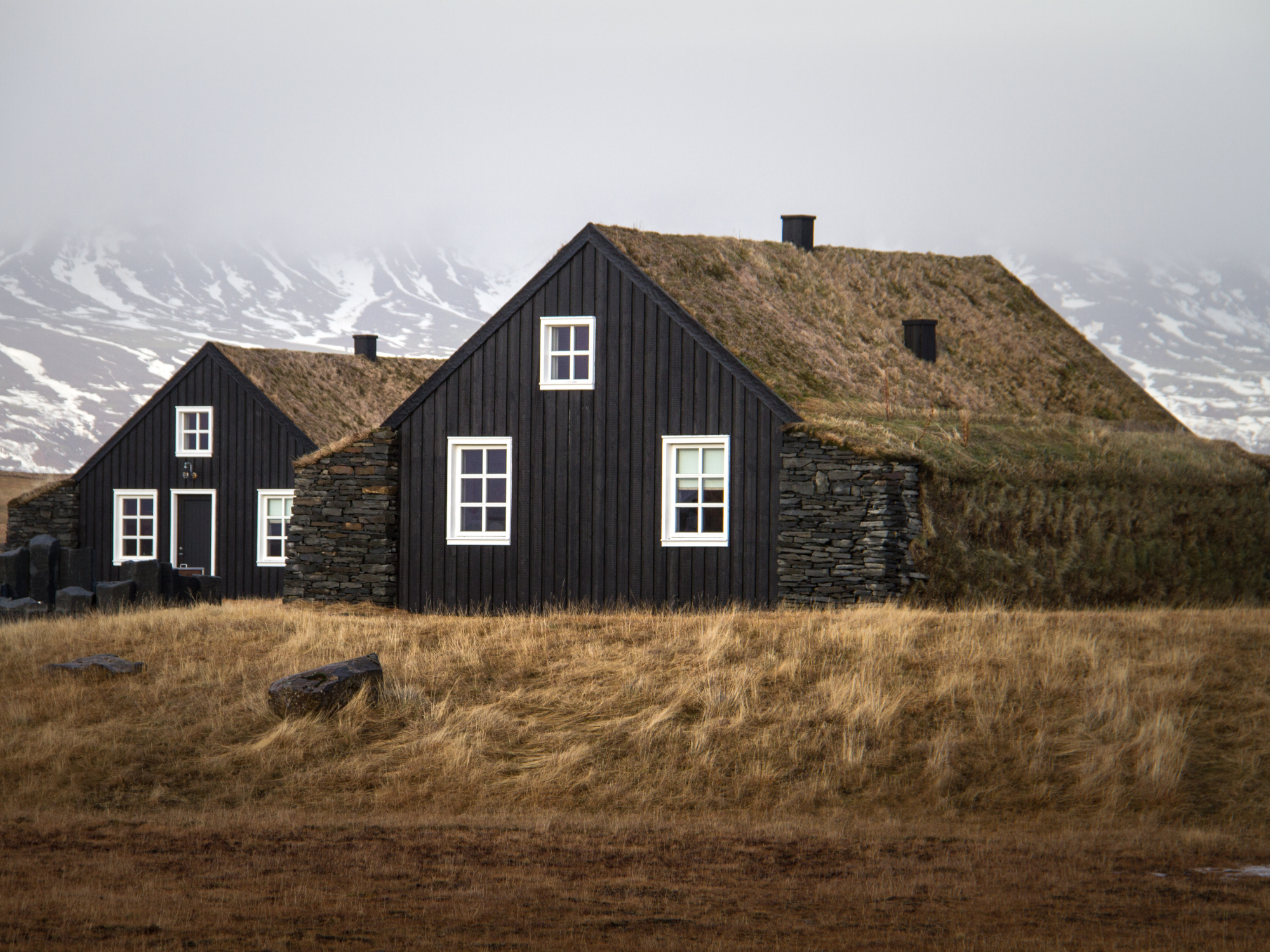
Torfhús Retreat is one of the clearest examples. The retreat takes inspiration from traditional Icelandic turf houses and old Norse building culture, while offering a much more modern and luxurious stay. It shows how historical design can be used to create atmosphere and a strong sense of place without feeling staged.
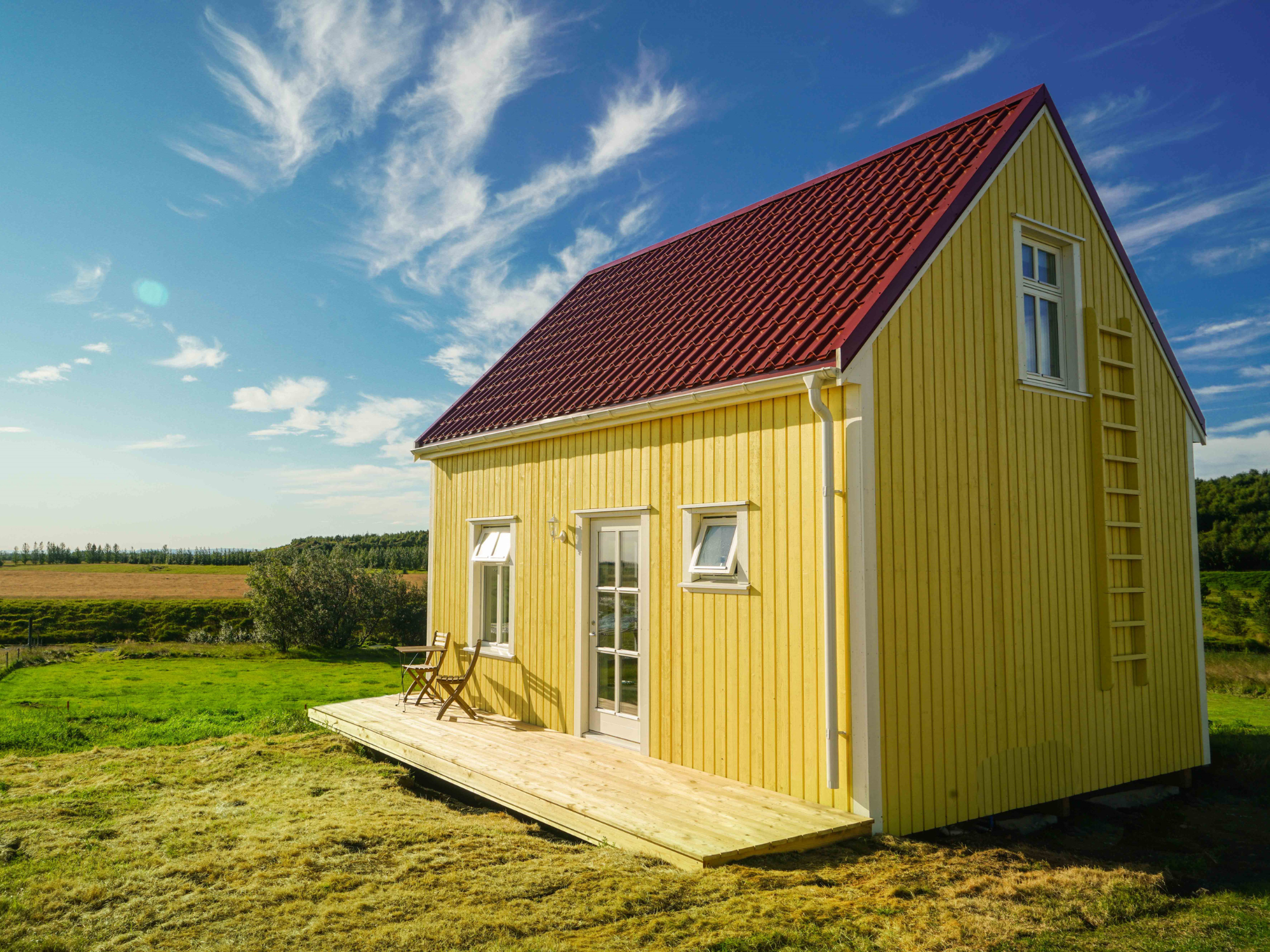
Áskot Cottages offers another appealing example. The cottages are designed in the style of late 19th century Icelandic houses and built with a clear connection to local materials and craftsmanship, using local building material. That gives them a rooted, distinctly Icelandic character that many travellers appreciate.
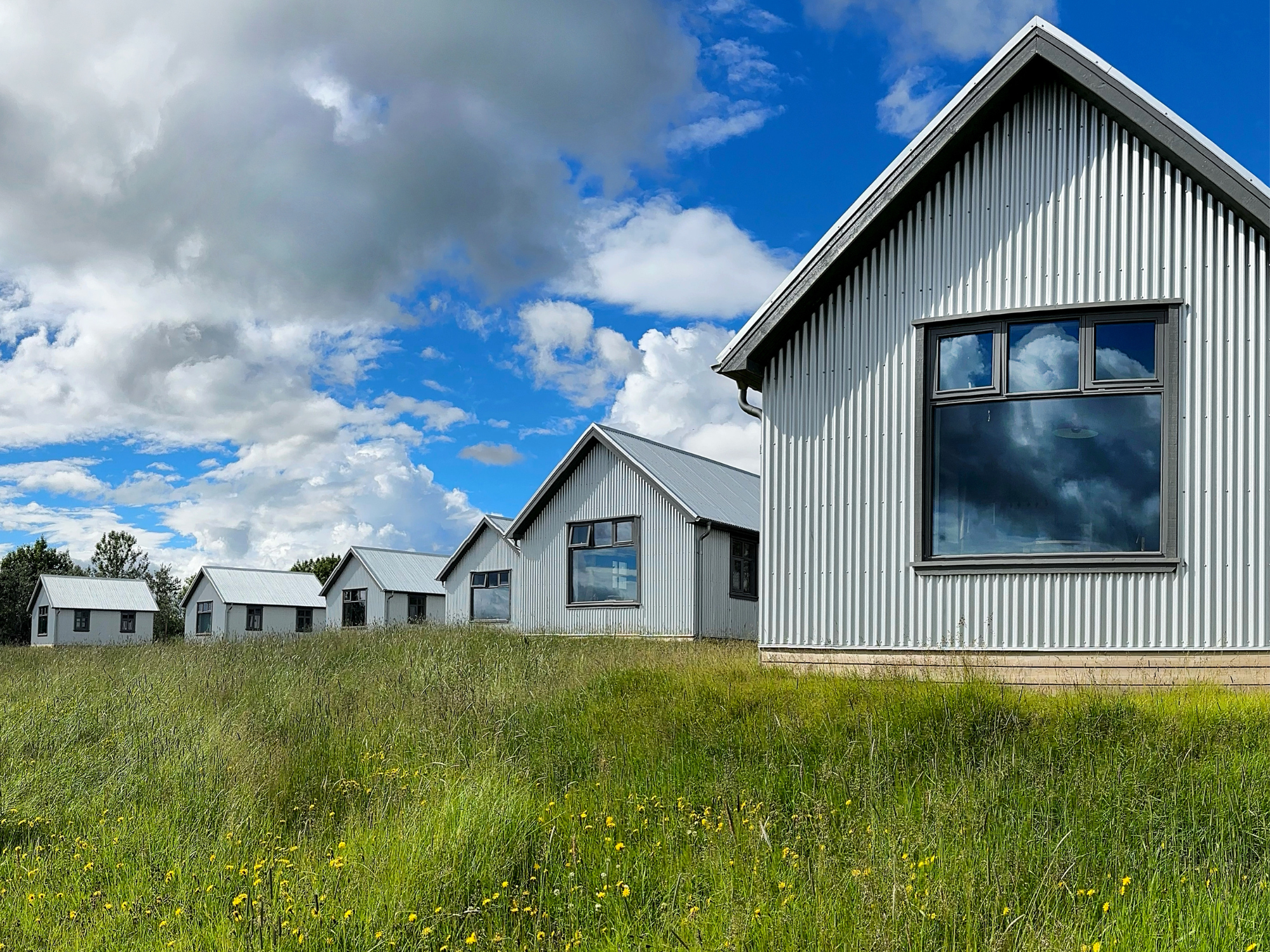
Hotel Lækur reflects this same broader trend in a slightly different way. Alongside the hotel itself, the property also features small guest houses built in an old Icelandic style, giving the place a strong sense of local character.
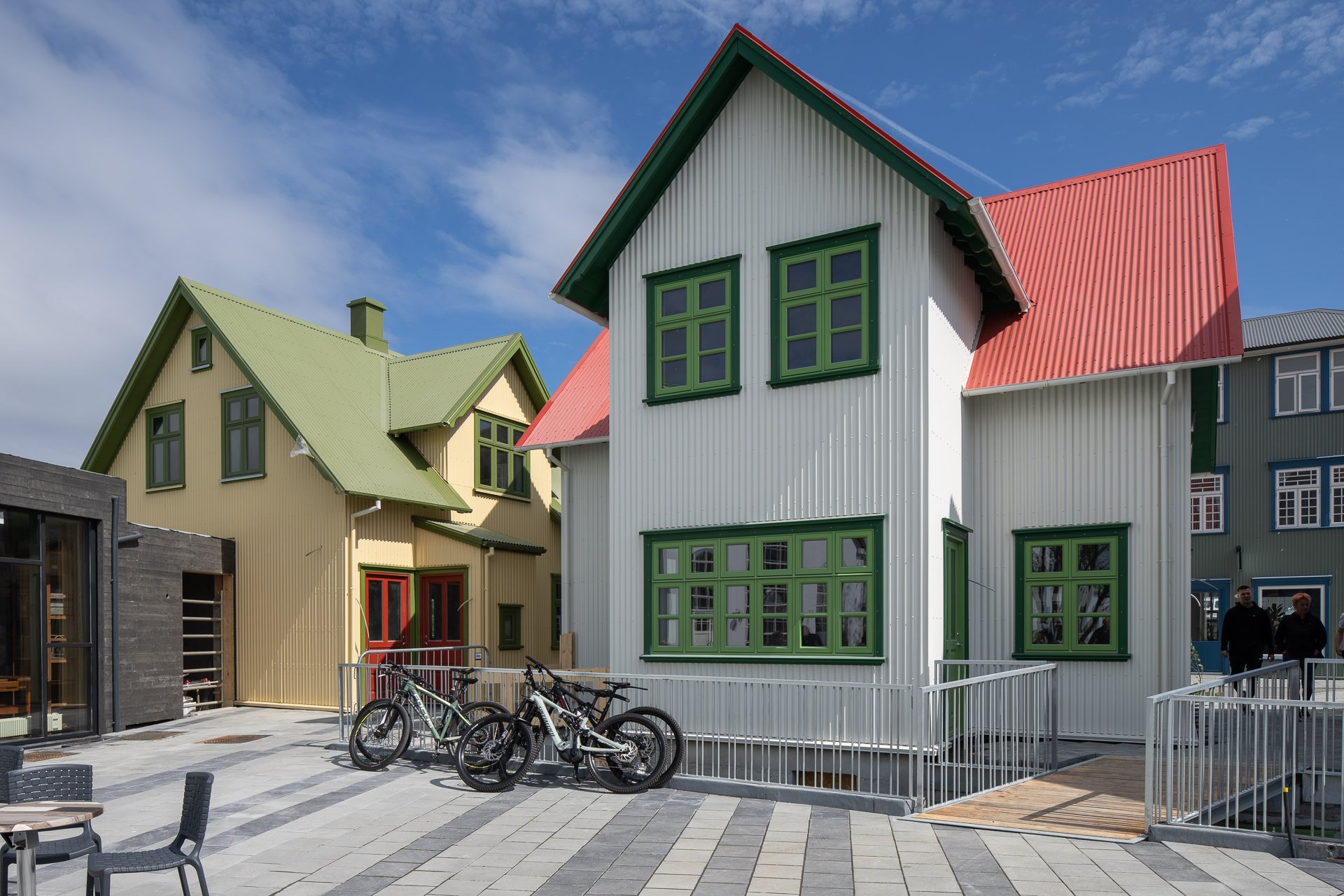
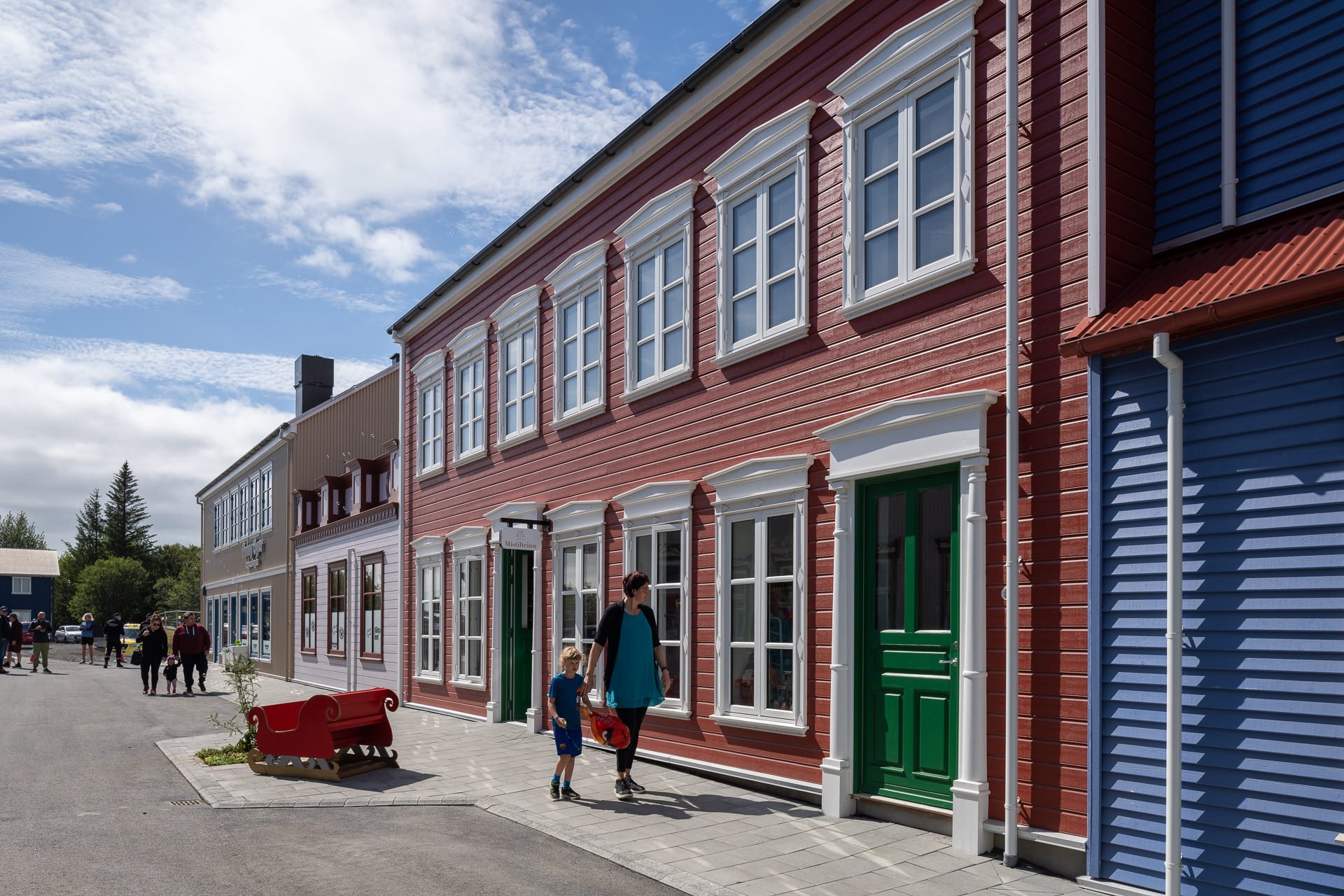
Selfoss town centre is also worth mentioning. It is a lively modern space, but its architecture draws heavily on older Icelandic styles. The area has become a well-known example of how historic forms and façades are once again influencing contemporary development in Iceland.
Places where the past still stands
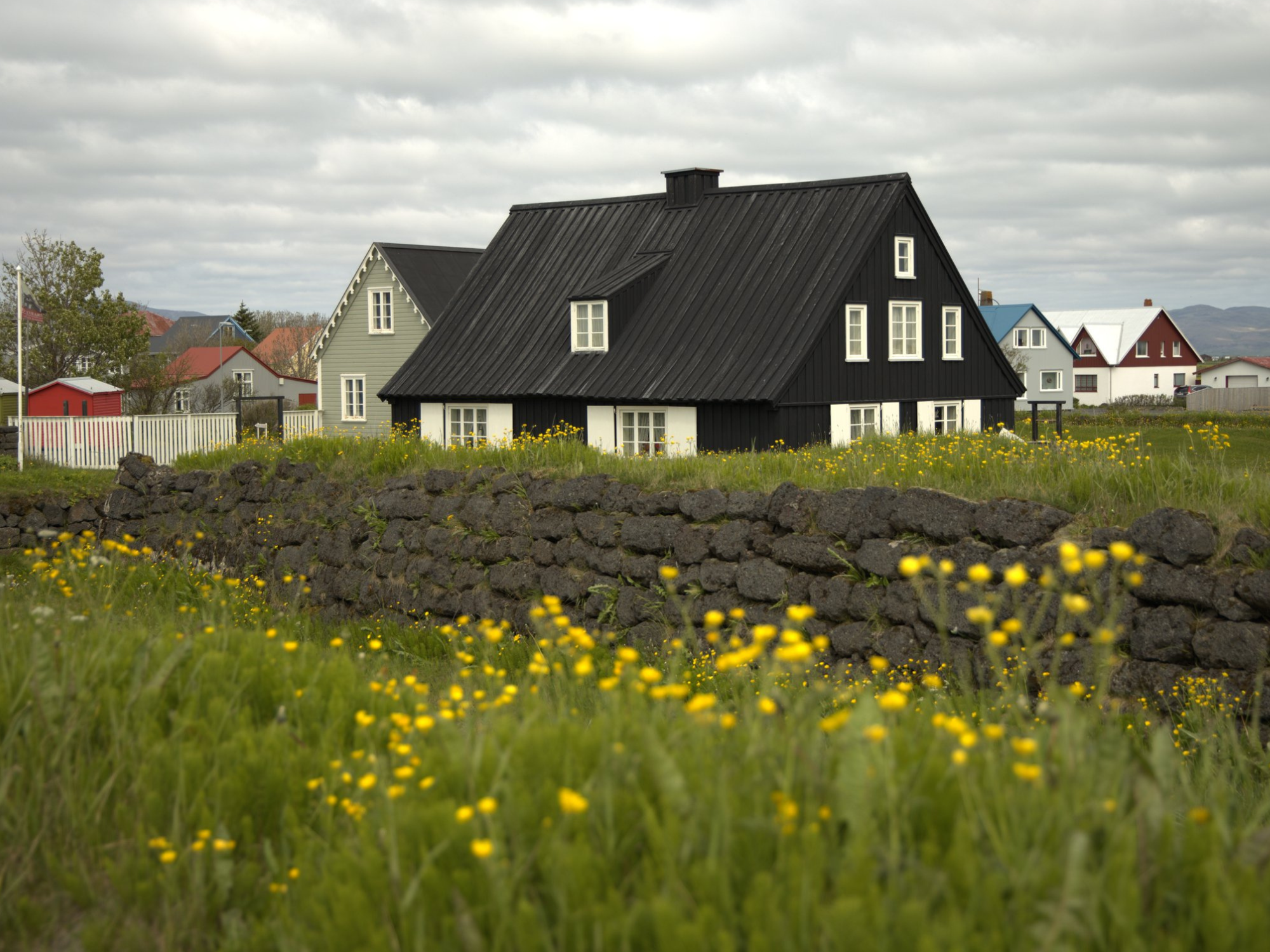
For travellers who want to experience original historic buildings, the village Eyrarbakki is one of the most atmospheric stops in South Iceland. The village has many preserved houses in old Icelandic style, and walking through it can feel a little like stepping back in time. It is known for its historic timber houses, including Húsið, built in 1765, one of the oldest surviving houses in Iceland, as well as several other beautifully preserved buildings from the 19th and early 20th centuries. Eyrarbakki offers a rare chance to see how an old coastal settlement once looked and felt.
Skógasafn Museum is another excellent place to explore this side of Icelandic heritage. Located right by Skógafoss, the museum includes a large open-air house museum where visitors can see strong examples of older Icelandic building styles. The site features a spacious outdoor exhibition area with good representatives of house-building from earlier centuries. That makes it a particularly good stop for travellers who want to understand how Icelandic homes and farm buildings developed over time, all in one place and in a very accessible setting.
A different way to experience South Iceland
It is easy to focus only on waterfalls, glaciers, black sand beaches, and hot springs when travelling in South Iceland. But the buildings tell a quieter and equally fascinating story. They reveal how Icelanders adapted to their environment, how outside influences were reshaped to fit local conditions, and how older styles continue to inspire new architecture today.
From the turf-house tradition of Þjórsárdalur to the preserved village atmosphere of Eyrarbakki, the open-air buildings at Skógasafn, and the modern interpretations found at Torfhús, Áskot, Hotel Lækur, and in the centre of Selfoss, Icelandic architecture offers visitors another way to connect with the country. Not just as scenery, but as lived history.