South Iceland: A Paradise for Nature Photographers

What really elevates South Iceland, is how often the light transforms the scene. Clouds race in, showers pass, sunbeams break through, and suddenly the same location you shot an hour ago feels brand new. It is a region that rewards patience and flexibility more than rigid plans.
Light tips that pay off in South Iceland
Soft light is your friend
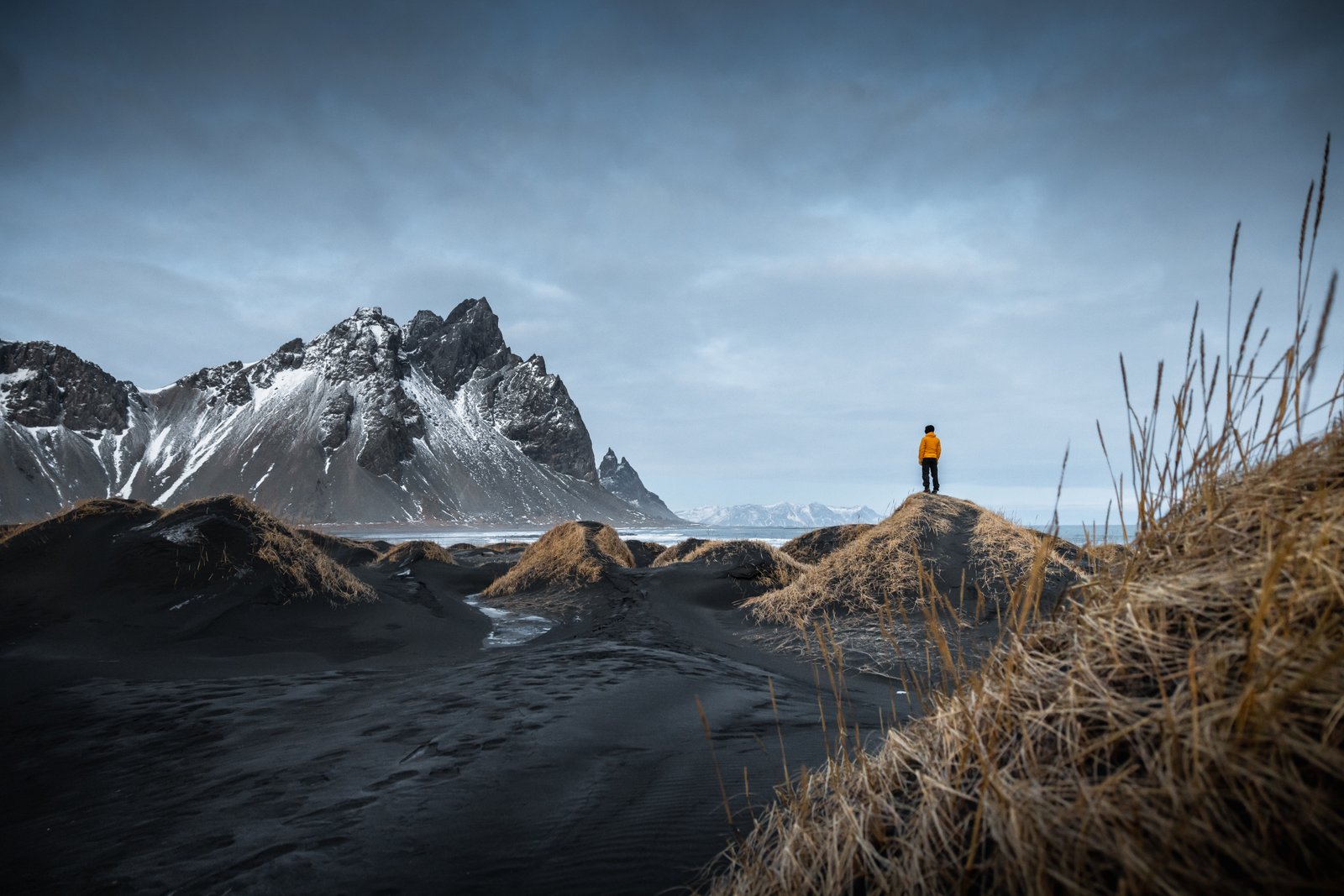
Overcast conditions are fantastic here. Waterfalls hold detail, black sand looks rich rather than crushed, and green tones stay natural. If it is grey, lean into it.
Chase texture with side light
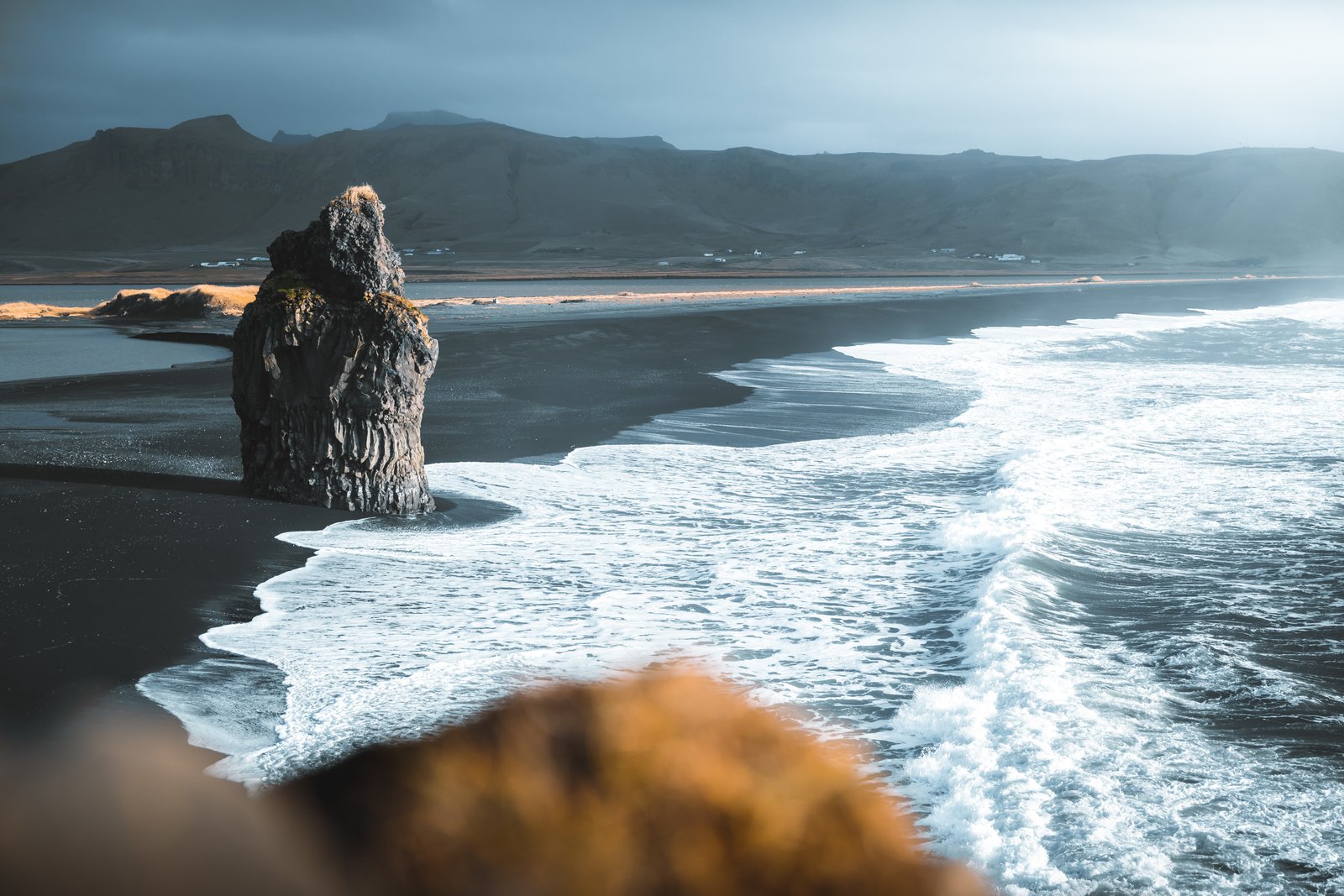
Low sun angles in winter (and during long sunrise and sunset windows) create strong side light that brings out ridges, cliffs, basalt columns, and ripples in the sand. Look for scenes where the light skims across the landscape rather than lighting it front-on.
Plan around spray and wind
Waterfalls are amazing, but mist can turn into a lens-cleaning marathon when the wind picks up. Bring a microfiber cloth, use a lens hood, and consider shooting a little wider so you can crop later if droplets sneak in.
Build an easy “weather swap” list
If wind is brutal at the coast, pivot inland to waterfalls or sheltered valleys. If visibility is low, geothermal areas can still photograph beautifully because the steam adds atmosphere.
Puffins and Northern Lights: two seasonal highlights
Puffins
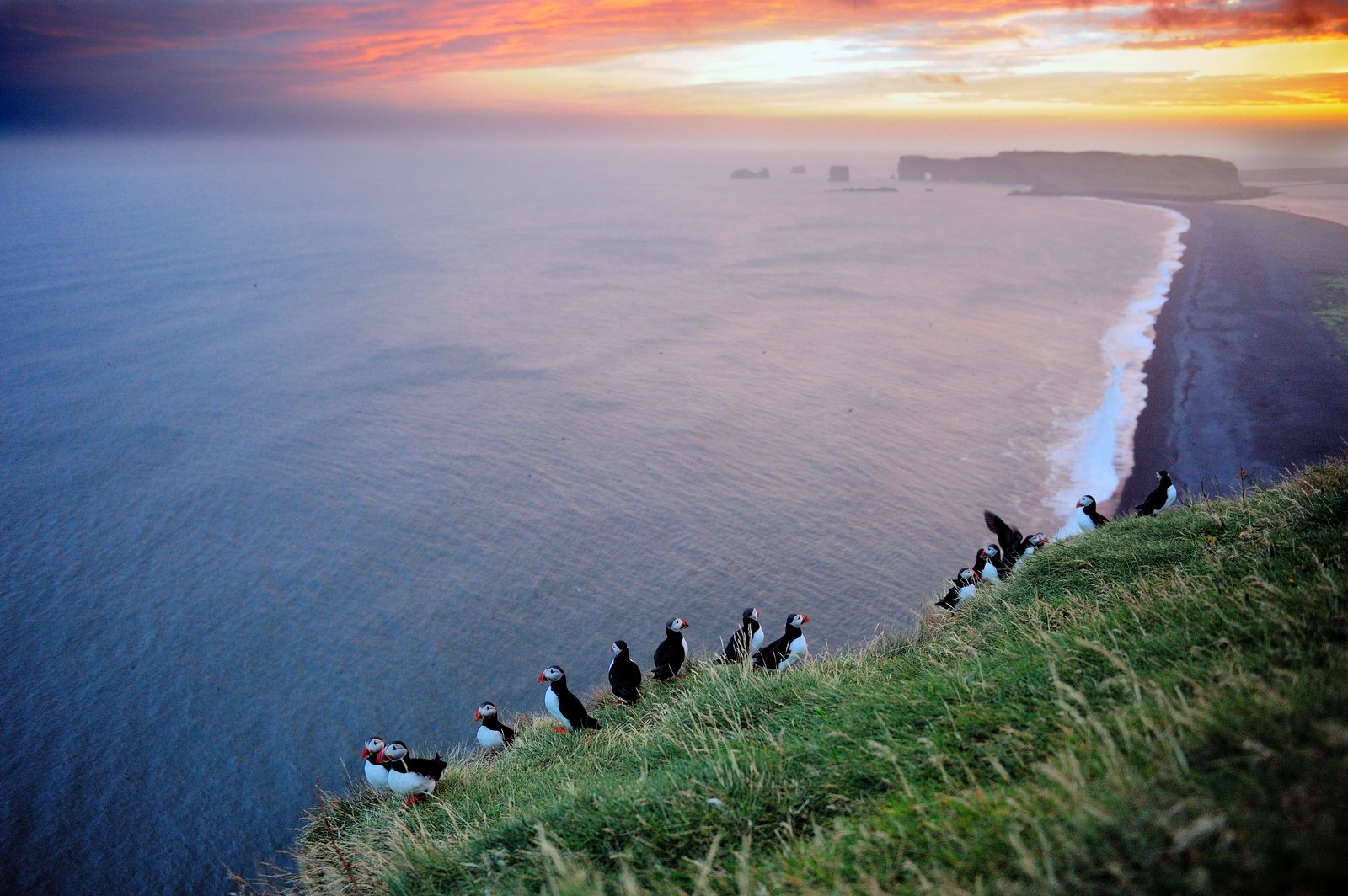
In summer, South Iceland gives you real chances to photograph puffins in their nesting season, often from coastal cliffs where they come and go in busy bursts. Early morning and late evening light tends to be gentler (and the crowds thinner), which helps when you are trying to catch flight shots or that classic “puffin with a beak full of sand eels” moment. A longer lens helps, but so does patience and letting the birds’ patterns come to you.
Northern Lights
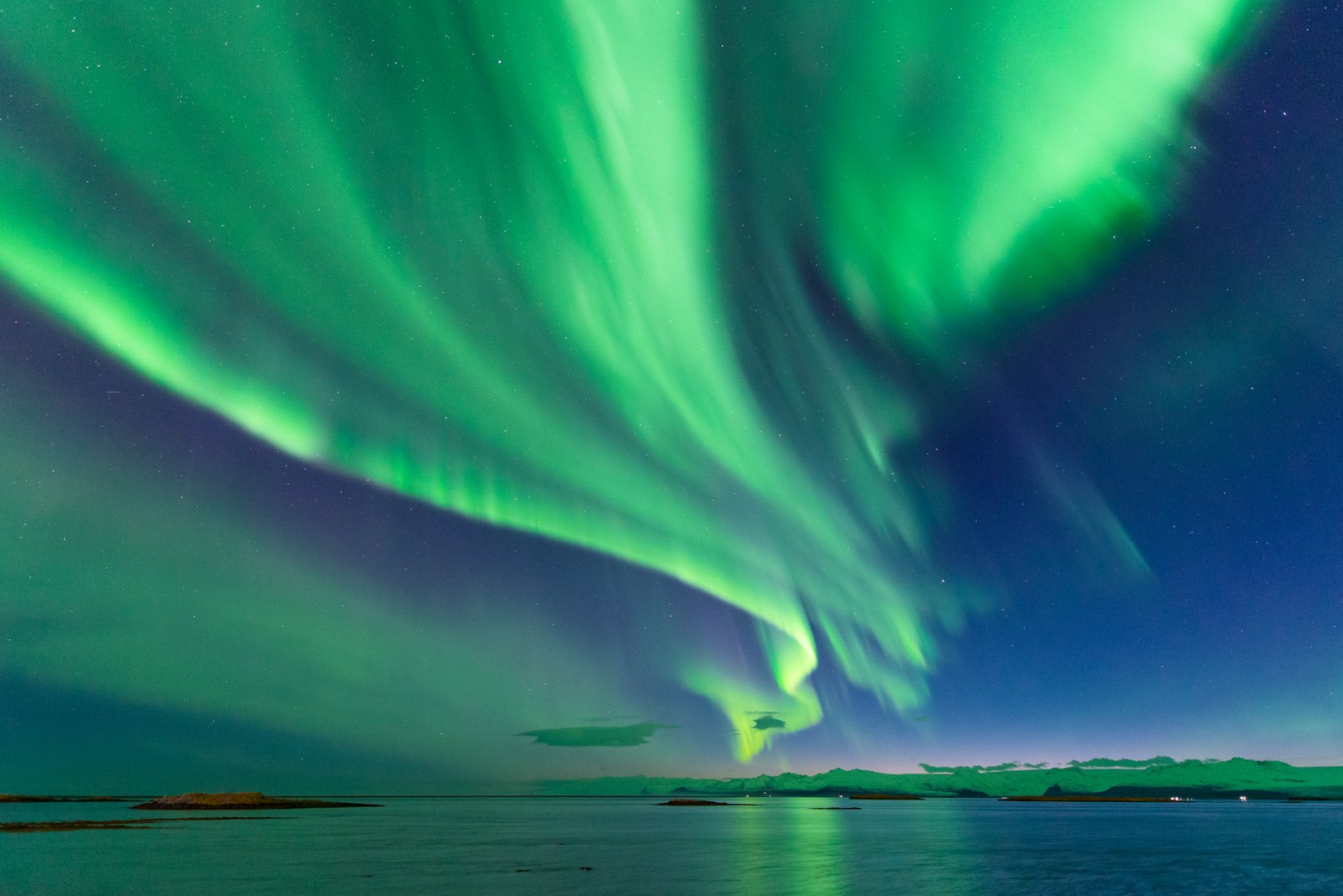
From late autumn through early spring, South Iceland can also be excellent for aurora photography, especially when skies clear and you can get away from artificial light. The region’s mix of dark coastal stretches, open plains, and dramatic foregrounds (waterfalls, mountains, glacial edges) makes it easier to build a strong composition rather than shooting only sky. Keep your plans flexible: aurora nights are about chasing clear patches and being ready when activity spikes.
Why South Iceland feels so photographer-friendly
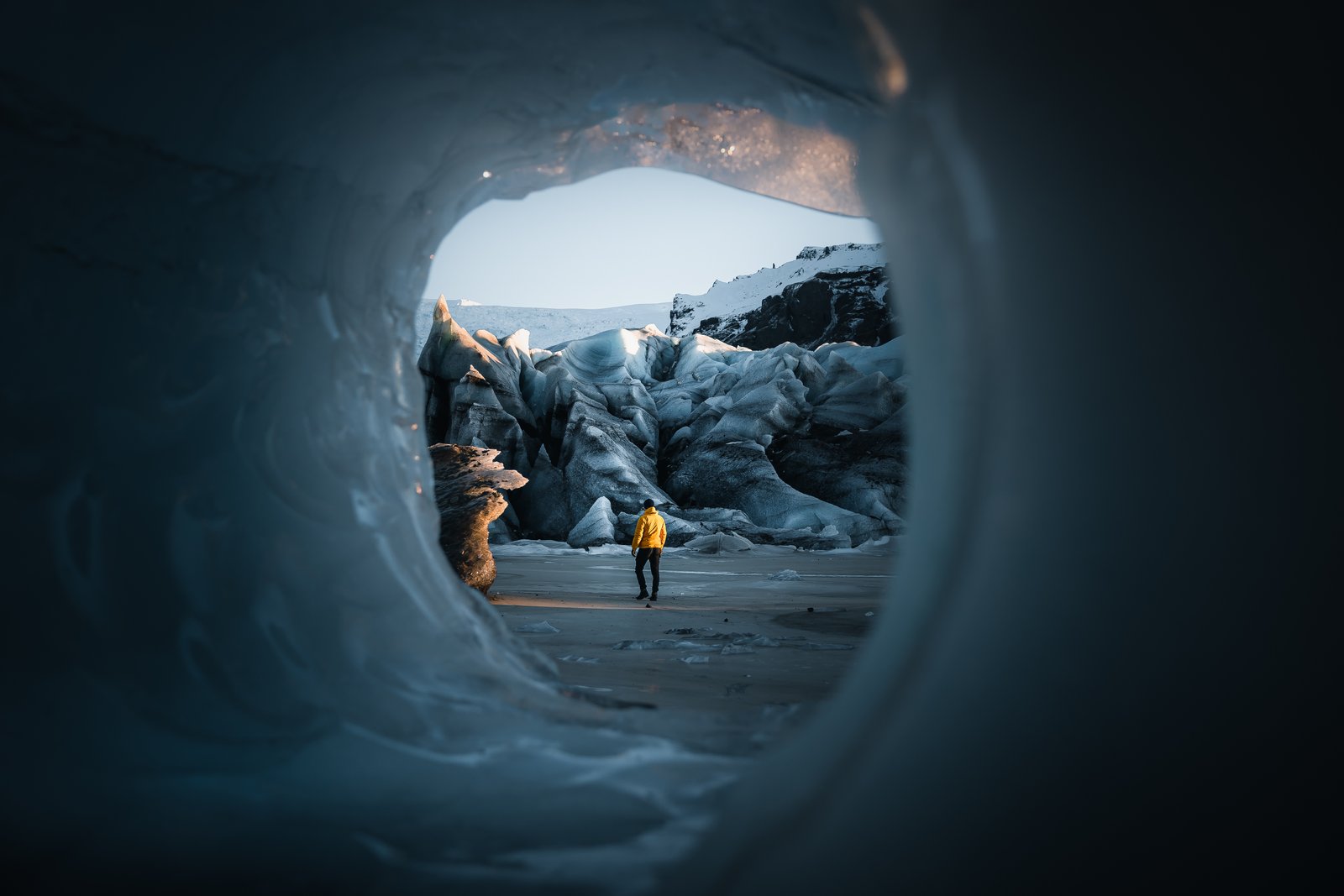
South Iceland’s biggest advantage is how naturally it supports a flexible itinerary. When the weather shifts, you are rarely stuck. You can adjust quickly between coast, waterfalls, glaciers, and geothermal areas without losing half the day to driving. That ability to adapt is often the difference between “we tried” and “we nailed it” in Iceland.
A casual planning tool worth knowing about: Travex
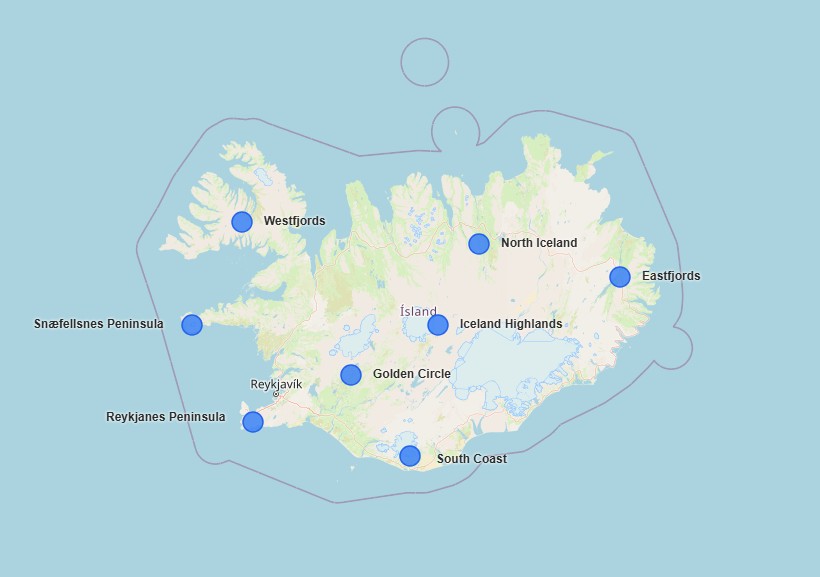
If you like having a clearer overview of where the main photography areas are and how they connect, Travex can be a helpful extra resource while you plan. Travex presents Iceland as “eight photographic regions” that are “fully mapped and structured”, which makes it quick to understand what sits where and how locations relate when you are sketching out a route.
You do not need to overthink it. Use it like a map-based way to connect the dots: pick a few anchor stops, spot nearby alternatives, and keep your itinerary realistic for the light and the weather. Travex also positions itself around photography travel experiences and workshops, so it can be useful context if you are planning around that style of trip.