LAVA centre
LAVA "Iceland Volcano & Earthquake Center" reveals the epic forces of nature that shaped our planet and created Iceland only 20 million years ago. LAVA is dedicated to the unique volcanoes and geology…

Or try searching by Category and/or Location
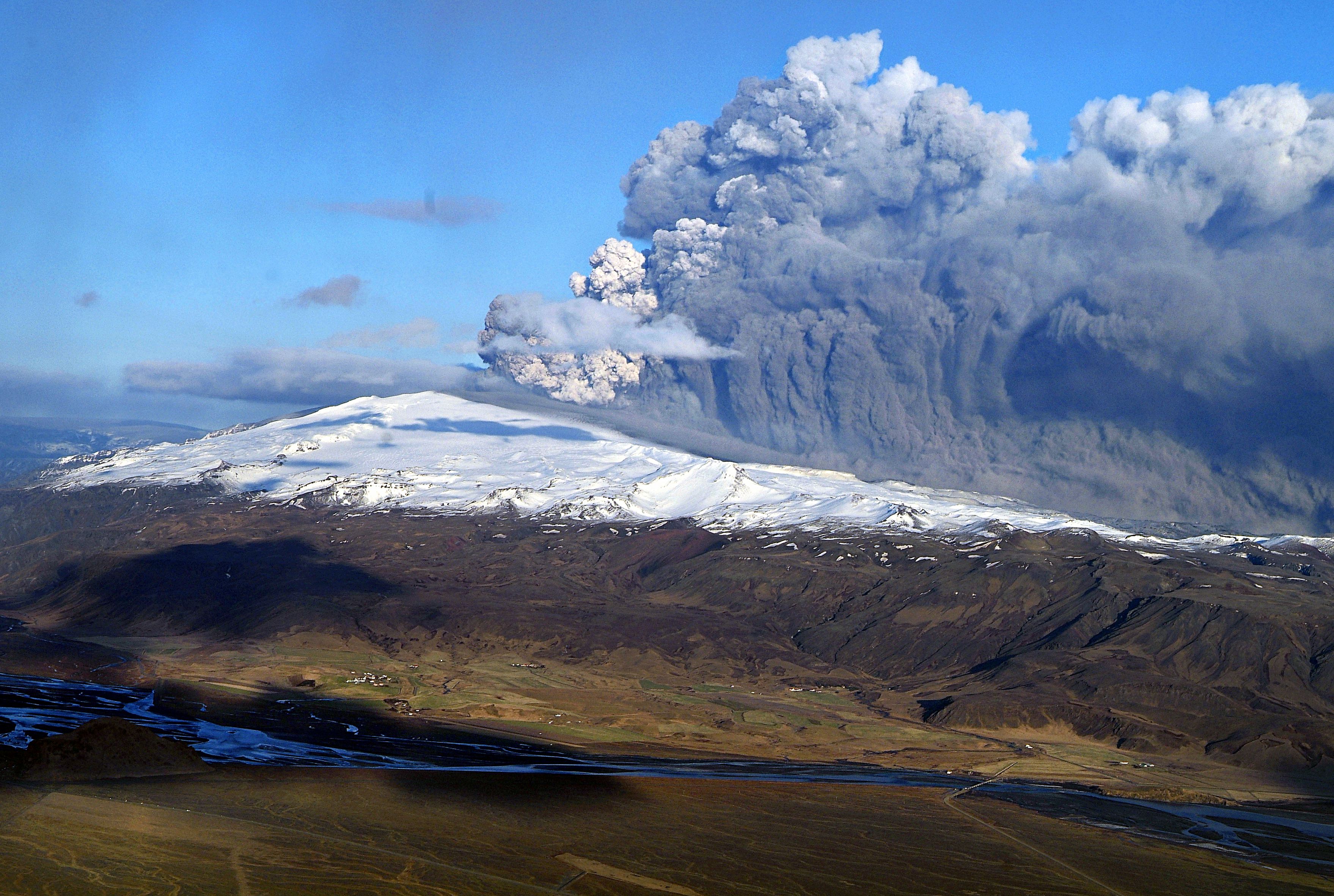
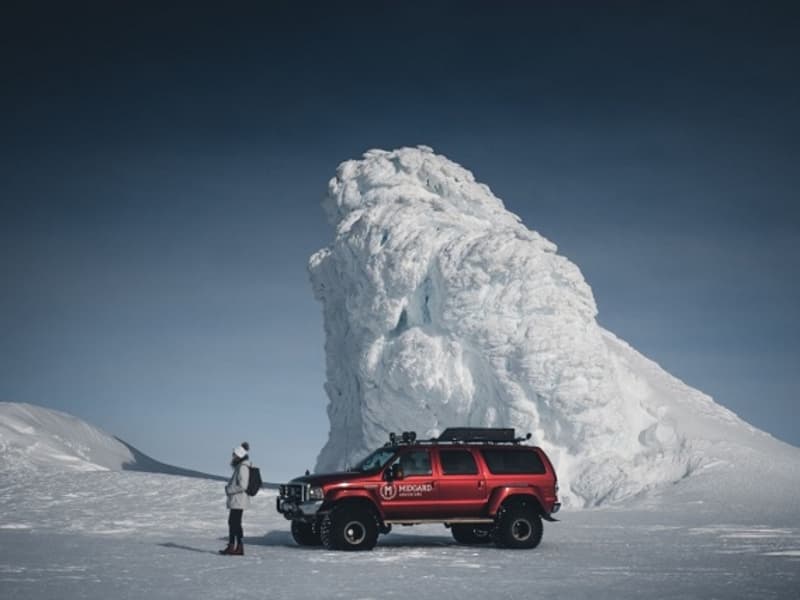
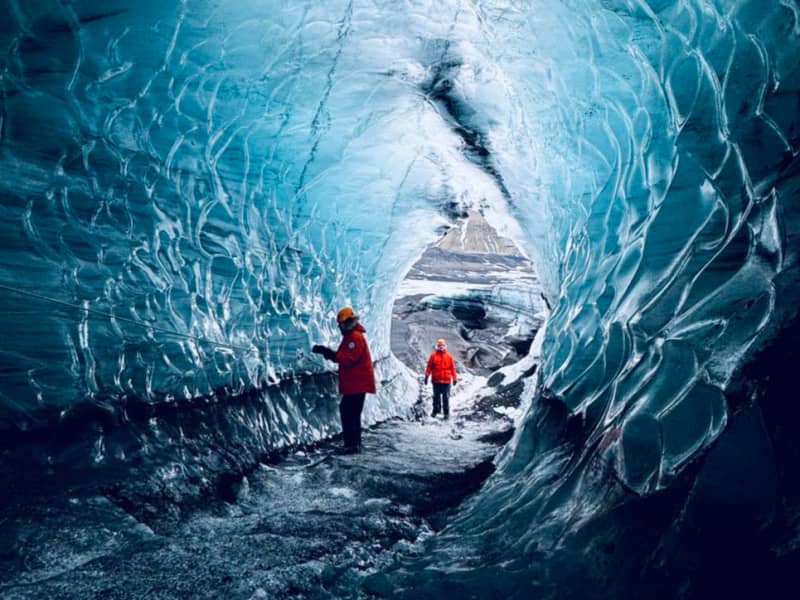
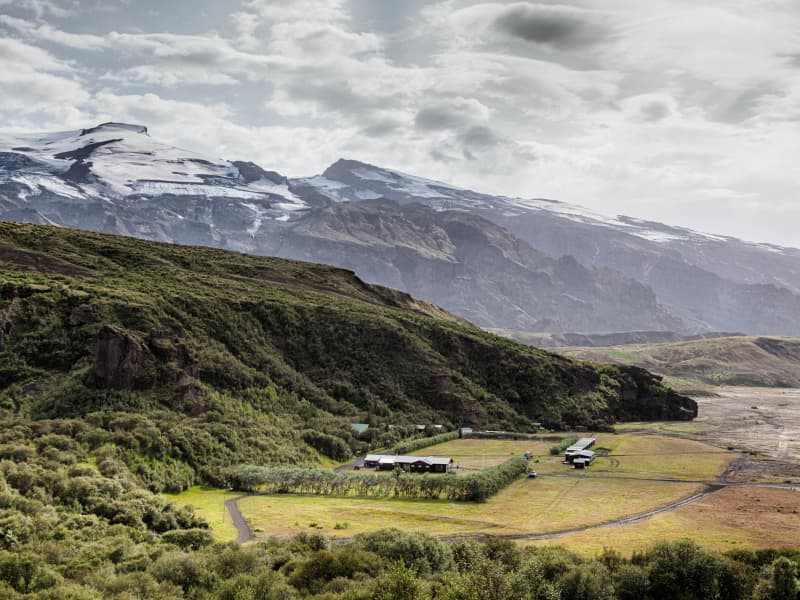
Eyjafjallajökull is an ice-capped volcano that famously erupted in 2010, its ash cloud affecting air traffic widely in Europe. Up close, the eruption caused flash floods and spewed ash over nearby farms and villages for over a month. However, this eruption had an immensely positive aftermath as it helped establish Iceland as a travel destination. Moreover, the ash turned out to be a good fertilizer for the farmland. The world-known waterfalls Seljalandsfoss and Skógafoss flow off the edges of the mountains below Eyjafjallajökull. Learn all you ever wanted to know about volcanoes at the Lava Centre in Hvolsvöllur or book a tour to Þórsmörk nature reserve for peaceful moments in unspoiled nature.



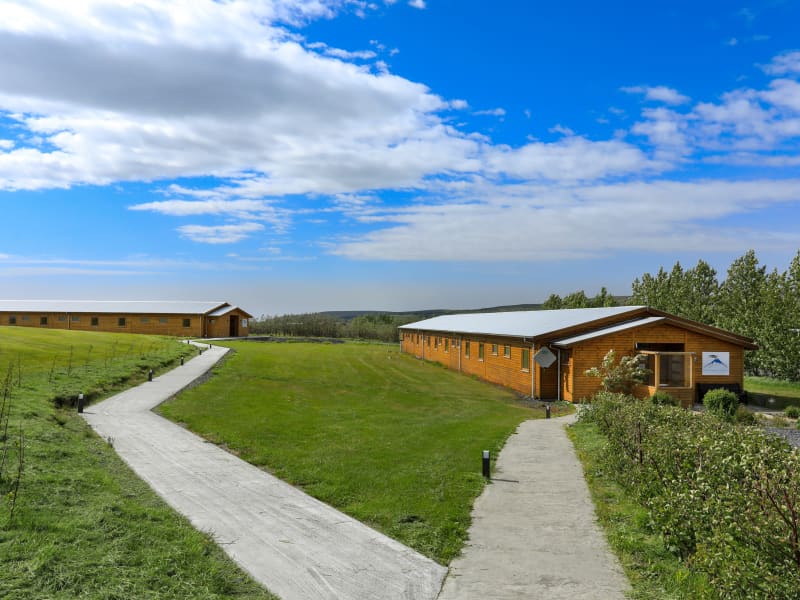
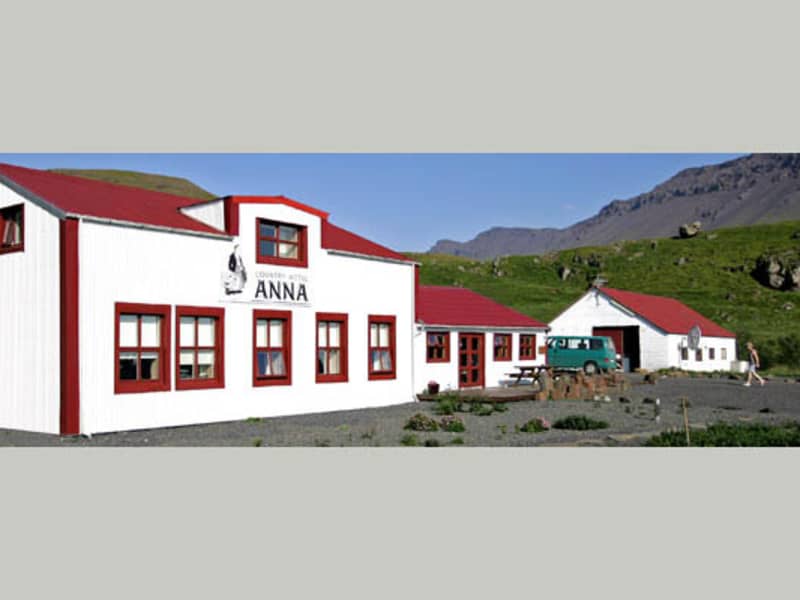
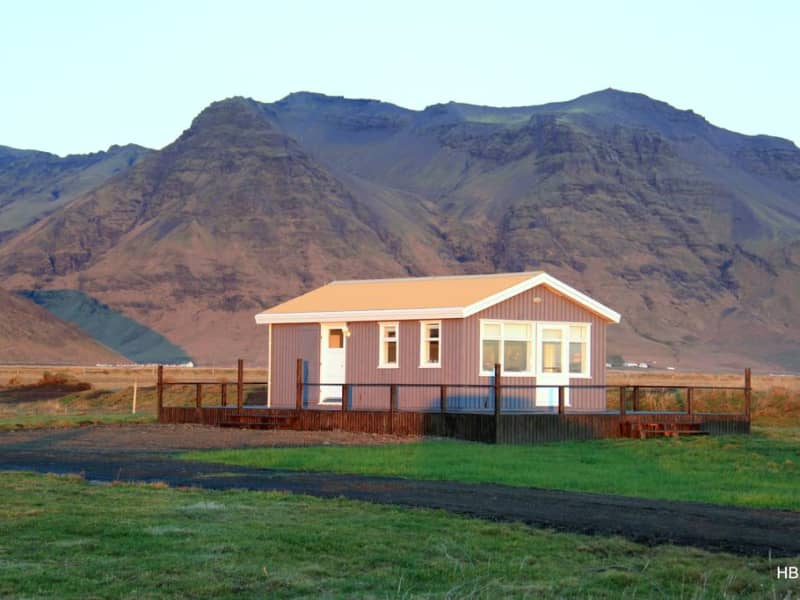
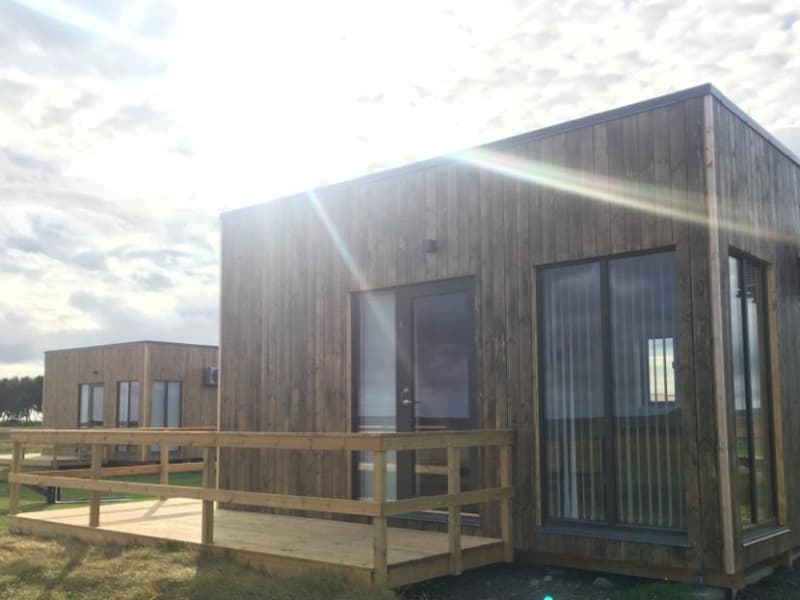
| Umi Hotel | Leirnavegur nr. 243 | 861 Hvolsvöllur | 5184001 |
LAVA "Iceland Volcano & Earthquake Center" reveals the epic forces of nature that shaped our planet and created Iceland only 20 million years ago. LAVA is dedicated to the unique volcanoes and geology of Iceland.
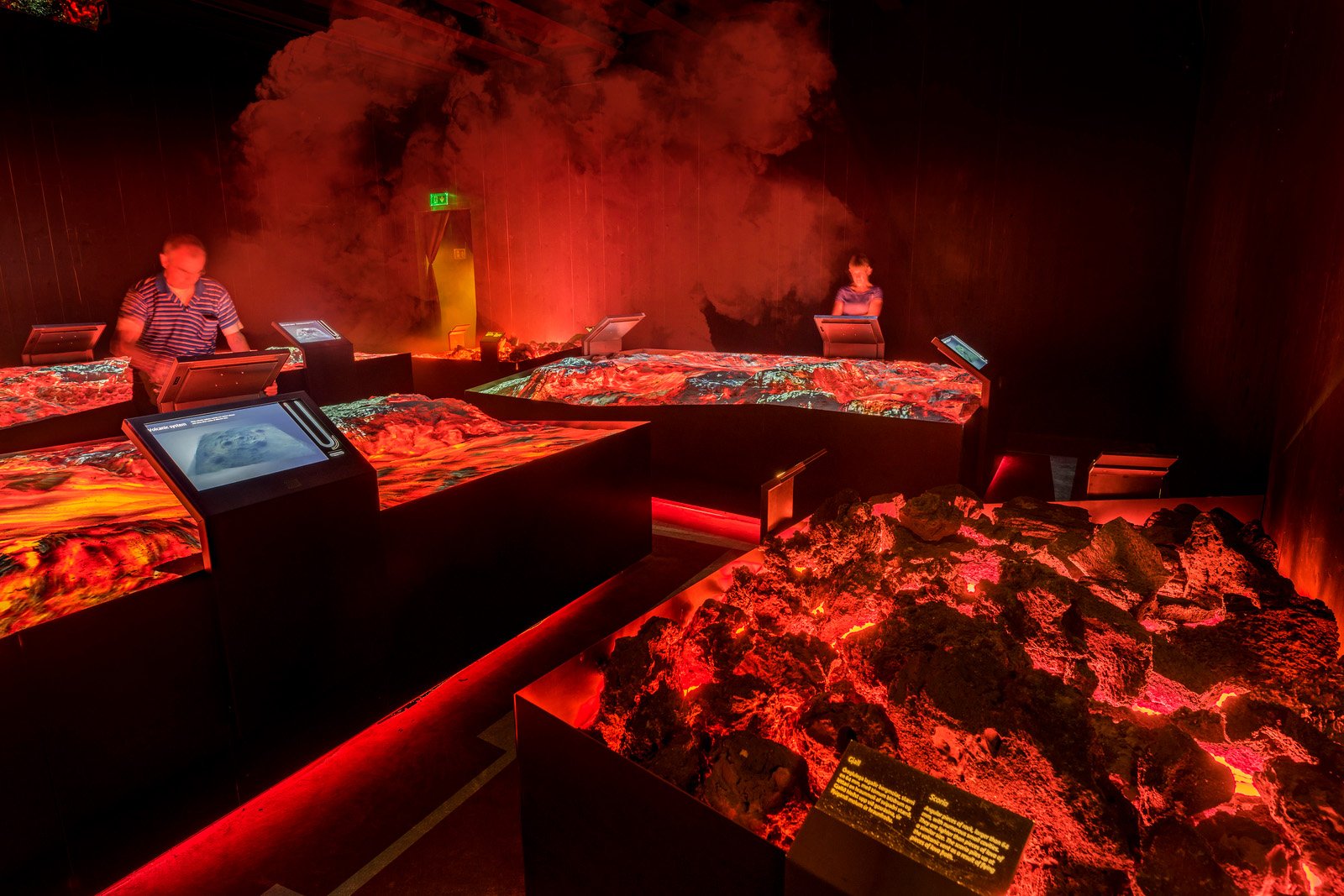
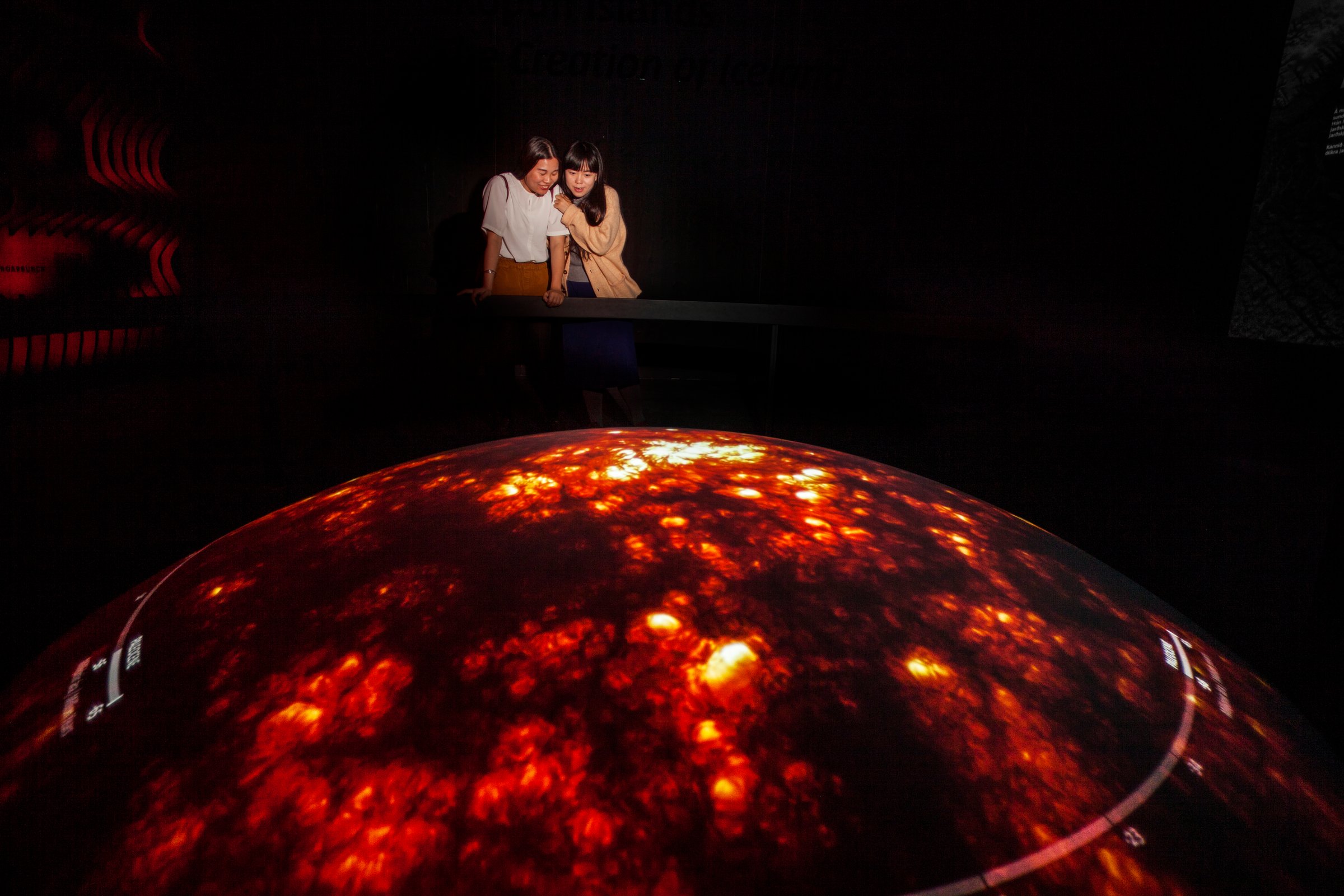
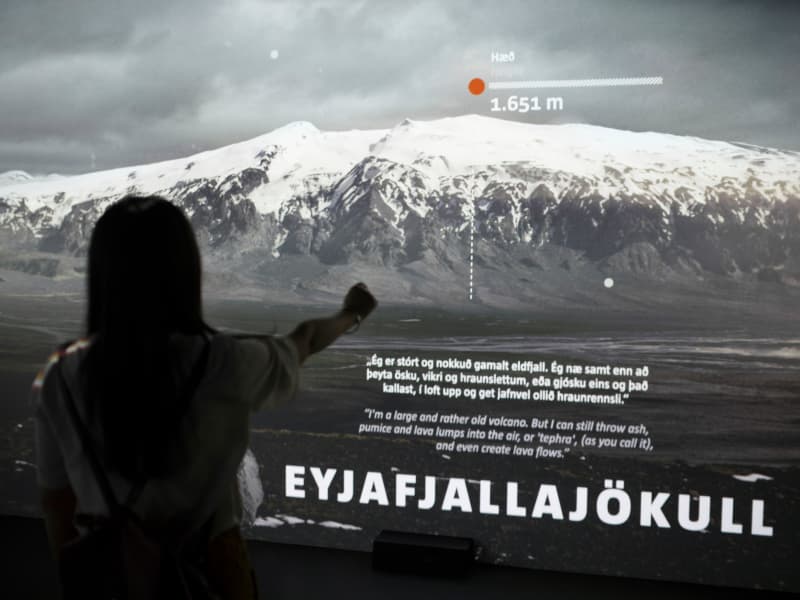
The center features an interactive educational exhibition exploring the art and science of geology and the volcanic systems in Iceland and an educational learning center for geology where staff members educate visitors to make the visit as enjoyable and memorable as possible. The interactive exhibition further displays a collection of artifacts, films, and graphics from various volcano eruptions in the past century.
Eyjafjallajökull stands 1,651 meters tall and is known for its challenging name, which translates to "Island Mountain Glacier." Situated in the East Volcanic Zone, the volcano has been relatively active over the past 8,000 years, with its most recent eruption in 2010. The summit houses a 2.5 km wide ice-filled caldera, blanketed by a glacier up to 200 meters thick.
Eyjafjallajökull is known for its challenging name, which translates to "Island Mountain Glacier."
Fun fact: the 2010 eruption produced an ash cloud that disrupted air travel across Europe, causing the most extensive flight restrictions since World War II.